Fairhope and Atmore
Phone (251) 928-6768

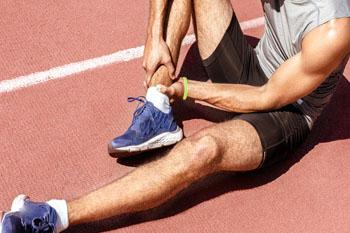 Running medicine means complete care for runners and running athletes (soccer players, football players, and triathletes). Our specialists at Southeast Podiatry provide diagnosis, treatment and rehabilitation services for everyone from competitive racers to recreational runners.
If you're a runner who is injured, wanting to stay healthy or looking for a performance edge, we can help at Southeast Podiatry.
Whether you are running for fun, fitness or running a marathon, you put yourself and your feet under great stress. On average, you put six times your body weight through each foot when running, which can emphasize any minor or major potential problems significantly.
It is a good idea for a beginning jogger to visit a podiatric physician before starting an exercise program. Our podiatrist, Dr. Brent Harwood or Dr. Brad Egly will examine your feet and identify potential problems, discuss conditioning, prescribe an orthotic device that fits into a running shoe (if needed), and recommend the best style of footwear for your feet.
Frequent joggers ought to see a podiatrist regularly to check for any potential stress on the lower extremities. During a 10-mile run, the feet make 15,000 strikes, at a force of three to four times the body's weight.
If you are more than 40 years old, see a family doctor before starting any exercise regimen. The doctor will perform an electrocardiogram, check for any breathing problems, high cholesterol levels, and high blood pressure before giving the go-ahead for a vigorous exercise program. Anyone, regardless of age, should check with a doctor if a cardiac condition, diabetes, weight problem, or other serious medical condition exists.
Stretching
Proper stretching is essential before beginning an exercise regimen. The strain on muscles, tendons, and joints is reduced if muscles are properly warmed up,
Before stretching warm up with a 10 minute walk or slow jog. You may then stop and gently stretch. Stretching exercises should take 5-10 minutes, and ought to be conducted in a stretch/hold/relax pattern without any bouncing or pulling. It is important to stretch the propulsion muscles in the back of the leg* and thigh (posterior), and not forget the anterior muscles.
Wall Push-Up: This stretches the achilles and calf muscles one leg* at a time. Stand with the rear foot approximately two to three feet from the wall. The rear leg* should be straight, the front leg* is bent and your hands touch the wall. Feet point straight ahead, heels are on the ground. Hold for 10 seconds, switch legs*, repeat 10 times.
Knee Clasp: Lie on a firm surface. A carpeted floor or grass is best. Bring both knees to your chest. Hold for 10 seconds. Repeat 5 times. This stretches the hamstrings and lower back.
Hamstring Stretch: Straighten one leg*, place it, with the knee locked, on a foot stool. Bend your body and bring your head towards the leg*. Hold this position for 10 seconds. Switch sides, repeat 10 times.
Proper Footwear
Shoe choice should be determined by foot structure, foot function (over or under pronated or neutral foot), body type (weight), running environment and running regimen. All shoes have a different shape. Sizes and widths are not uniform from shoe to shoe.
Consider whether an orthotic device will be placed in your shoe and whether your running style is flat-footed or on the balls of the feet. Shoes should provide cushioning for shock absorption, and ought to be able to fully bend at the ball of the foot area and remain stable in the midfoot. Visit the shoe store in the afternoon and wear the type of sock you plan to use while training.
The best socks are those made of moisture wicking material, rather than being made of cotton.
Training Tips
The best and safest way to start a running program is with a four-day-per-week conditioning program for 12-16 weeks. Systematic exercises must progress slowly from easy to rigorous to prevent debilitating muscle strain or more serious injury.
Begin with two sets of two-minute jogs interspersed with five minutes of fast walking. If muscles are stiff, walk only; have an "easy day" if you're in pain. As the weeks progress, gradually increase the number of minutes jogged per set to 20 minutes. Spend at least five workouts at each new level attained.
By the 16th week, you should be able to run two sets of 20 minutes each, with a five-minute walk before, between, and after. Make adjustments for heat and altitude, and don't be frustrated if you think your pace is too slow. The best way to avoid injury is not do too much, too soon, too fast, and too often.
Proper foot hygiene can also prevent injuries. Keeping feet powdered and dry is important, especially to the jogger suffering from blisters. Blisters can be limited by moisture control. Make sure to wear socks that wick moisture. This strategy can also help prevent athlete's foot.
Aches and Pains of Running
Even with the best preparation, aches and pains are an inevitable result of a new jogging regimen. If the pain subsides with slow easy exercise, you may continue, but if it gets worse, stop the activity and rest. If it persists, see your podiatrist.
The most common pain associated with jogging is known as runner's knee, a catch-all for jogging-related knee pain. One of the most common causes of runner's knee is excessive pronation, or rolling in and down, of the foot. This syndrome is now often called the patello-femoral pain syndrome.
Orthoses (arch supports -- shoe inserts) prescribed by one of our podiatrists, Dr. Brent Harwood or Dr. Brad Egly, are the best way to alleviate the problem. Occasionally, rubber pads in the arch of the shoe will help.
Shin splints, which painfully appear at the front and inside of the leg*, are caused by running on hard surfaces, over striding, muscle imbalance, or overuse. Treatment includes changing running technique or insertion of an orthotic device in the shoe.
Common Running Injuries
Plantar fasciitis (arch pain) -- Arch pain is often caused by frequent stress on the plantar aspect, or bottom of the foot. When the plantar fascia, a supportive, fibrous band of tissue running from the heel to the ball of the foot, becomes injured, pain on the bottom of the foot results. Forefoot and rearfoot instability, with excessive pronation, may result in plantar fasciitis. Overtraining may contribute. Shoes with good midfoot stability may help prevent plantar fasciitis. If pain persists visit your sports podiatrist.
Heel spurs -- Heel spur syndrome, related to plantar fasciitis, occurs after calcium deposits build up on the underside of the heel bone. Heel spurs form gradually over many months. Both plantar fasciitis and heel spurs can be avoided by a proper warm-up that includes stretching the band of tissue on the bottom of the foot. The soft tissue injury is usually the cause of the pain and not the spur itself.
Sesamoiditis -- Sometimes referred to as the ball bearings of the foot, the sesamoids are a set of accessory bones found beneath the large first metatarsal bone. Incredible forces are exerted on the sesamoid bones during aerobics, and inflammation and fractures can occur. Proper shoe selection and custom orthotic devices can be useful in treating sesamoiditis.
Shin splints -- Aside from ankle* sprains, shin splints are perhaps the most common injury to the lower body, as the muscles attached to the shin bone bring the foot up and down. The pain is usually an inflammation of the shin muscle and tendon due to stress factors. Treat shin pain with cold compresses immediately after the workout to reduce inflammation. Proper stretching before the workout should prevent the onset of shin splints. Strengthening of muscles also helps reduce shin splints.
Achilles tendon and calf pain -- The frequent rising on the toes of an aerobics routine often creates pain and tightness in the large muscles in the back of the legs*, which can create pain and tightness in the calf and inflammation of the achilles tendon. Again, stretching the calf muscles gently and gradually before and after the workout will ordinarily help alleviate the pain and stiffness.
Stress fractures -- Stress fractures often occur from overtraining. Make sure you gradually increase your running distance and intensity and have an adequate dietary intake of calcium.
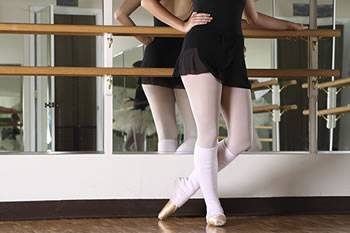 Dr. Harwood is a member of the International Association of Dance Medicine and Science. He trained in New York City for three years of residency treating both dancers in training and professional dancers. His interests are in effective treatments that allow a performer to continue dance. He can in many cases develop a treatment plan that allows patients to continue to dance without further aggravating a condition or causing more serious injury.
Medicine is the science and art of preventing and alleviating or curing disease. Dance medicine and science is the application of that realm to the specific life and body of the dancer. As a discipline it investigates the causes of dance injuries, promotes their care, prevention and safe post-rehabilitation return to dance, and explores the 'how' of dance movement. Some specific concerns include the biomechanical, physiological, and neuromotor aspects of dance, nutrition, psychological issues, and the body therapies and somatics area.
The training and self-discipline necessary for the individual to become a dancer are potential sources of physical and emotional strain that may result in temporary or extended disability. The performance of dance, in whatever form, can result in physical injury that may be acute or chronic due to overuse.
Prevention of injury/illness is the concern of the educator and health care practitioner involved in dance medicine and science. Preventive recommendations are based upon:
When injury or other related disability has occurred in the dancer, rational rehabilitative techniques based on these recommendations make return to and continuation of dance possible.
Dr. Brent Harwood has been caring for dancers on the Gulf Coast for 18 years, treating dancers during and after their career to help them function and remain free of pain.
While the public sees the beauty of the art, ballet dancers suffer to bring excellence to the stage and their feet take the most abuse. Proper care and prompt treatment of injuries can help dancers insure they can continue to perform at their best.
Dancers must care for their shoes and feet just as any athlete must care for their body and equipment. Preventative measures can help minimize some of the pain and possible injury, but injuries can occur anytime. Even though most ballerinas wear well fitted pointe shoes, which is essential to preventing injuries, they still can face accidental injury. Taping the toes, padding pointe shoes with lamb's wool, gel or foam, and using toe pads are common preventative measures. Dr. Harwood works with his dance patients to develop the best preventative measures for the individual dancer.
It's important to note that most people don't realize that male dancers are equally at risk for injury. They put more weight and stress on their feet by jumping and lifting ballerinas. Early evaluation and treatment can lead to quicker recoveries, better long-term outcomes and less chance of other injuries for all ballet dancers.
Education, recognition and early treatment are all important for dancers because dance injuries can sideline a promising career of a young dancer or bring about and early end to a notable career.
Injuries and conditions such as these are common among ballet dancers:
Causes
This is the most common acute fracture seen in dancers. This fracture occurs along the 5th metatarsal, the long bone on the outside of the foot. A small fragment of bone at the base of the 5th metatarsal is pulled off by a strong ligament that is attached to this part of the bone. The typical method of injury is landing from a jump on an inverted (turned-in) foot. The dancer will usually experience immediate pain and swelling. He or she may or may not be able to walk. This type of injury needs to be differentiated from a "Jones fracture" which occurs farther down the base of the 5th metatarsal and is related to repetitive stress to this area of the bone. A patient who suffers an acute rolling of their ankle* can also injure the base of the 5th metatarsal. This will produce immediate pain over the outside aspect of the foot. It can be associated with significant swelling and, over time, the skin can turn black and blue. It will be associated with quite specific local tenderness over the base of the bone on the outside of the foot.
Diagnosis and Treatment
When pressing on the outside of the foot, there will be marked tenderness at the base of 5th metatarsal. There may be tenderness over a large area of the outside the foot. However, the main tenderness will be at the base of the 5th metatarsal. X-ray of the foot will reveal an avulsion ("pulling off") fracture of the base of the 5th metatarsal. Treatment typically consists of ice, elevation, and limiting weight bearing activities. A Dancer's fracture is an injury that is usually treated non-operatively. If the patient has the ability to actively move the foot outwards (eversion), the injury will likely heal with non-operative treatment. A period of immobilization will be required while the injury heals. Typically, patients are placed in a walking boot. For the first few weeks, they will have to significantly limit their walking and should be given crutches. As the swelling settles and the fracture start to heal, they can begin walking more extensively in the boot. Usually by 6 weeks, there is enough healing to allow them to transition to a stiff-soled shoe with lots of padding. In very rare instances, where there is complete displacement of the fracture fragments and a lack of ability to actively evert the foot, operative surgery is required. In this case, the bony fragments are repositioned and stabilized with a screw. A Dancer's fracture is often confused with a Jones fracture. A Jones fracture occurs as a result of a stress fracture, due to repetitive loading of the outside part of the foot from the patient's underlying foot pattern or lower extremity alignment. Unlike a Dancer's fracture a Jones fracture may not heal and often requires surgery.
The two semilunar-shaped seamoid bones aid the foot in locomotion. They are two very small bones (about the size of a kernel of corn) on the underside of the forefoot near the big toe. These two sesamoids provide a smooth surface over which tendons controlling the big toe are located. Sesamoid bones are unique in that they are not connected to any other bones in the body.
Causes
The tendon that runs between the sesamoids can become inflamed, causing sesamoiditis, a form of tendonitis. Pain is focused under the big toe on the ball of the foot. With sesamoiditis, pain may develop gradually. There may be pain while bending and straightening the big toe. The sesamoids provide a support surface while the dancer is on demi-pointe and the move will become increasingly more painful with sesamoiditis.
Treatment
When pain in this area, or while performing demi-pointe, becomes more noticeable, it will be important for the dancer to call us so that a sesamoid fracture can be ruled out and treatment can be started to prevent further injury. It may take several months for the pain associated with sesamoiditis to be completely relieved. Surgical intervention to remove the sesamoid bones will be considered after all conservative measures have been exhausted. It will be important for the dance to rest and take time off from rehearsals to decrease the pain and inflammation and accelerate healing.
While Hallux valgus and bunion can be seen in the general public, dancers generally develop this condition at a younger than typical age. This injury usually has a gradual onset and is often associated with other postural and or biomechanical faults. It is characterized by medial movement of the first metatarsal head (big toe), where a bunion bump will gradually form. Consequently the phalanges of the great toe will shift towards the other toes.
Signs and Symptoms
The dancer will notice a gradual onset of foot pain at the area of the big toe or ball of the foot. Pain will be greatest with weight bearing and particularly jumping activities. Typically, dancers will notice pain with excessive pressure to the affected area, sometimes to the point where the slightest contact causes exquisite pain.
Treatment
The best course of action is to identify a hallux valgus condition as early as possible and clarify its structural and/or biomechanical causes. Conditions that are caught early on can be treated with either strengthening exercises, stretching and/or orthotic prescription. Often, a toe spacer between the first and second toes can help with alignment and prevent further progression of the injury. Conditions that develop into significant structural changes can be very difficult to manage and may require surgical intervention. Attention to a dancer's technique with pliè, relevè, and jumping is essential to limiting the progression of hallux valgus once it has been identified.
Causes
This condition is characterized by pain and/or restriction of movement at the joints of the big toe. To achieve full demi-pointe the metatarsal phalangeal joint must be able to make a 90 degree angle. Dancers who start later in life may lack this much mobility. A dancer without mobility who forces a high demi-pointe will cause the bones in the joint to impinge on each other. If this is done repeatedly, bone spurs will develop leading to even further decreased motion in the joint, inflammation and eventual degeneration of the joint. Compensations for lack of full mobility include sickling. This position will decrease impingement but it is not an esthetically acceptable line and puts the dancer at risk for ankle sprains*. An acceptable and safe compensation for this condition is a half demi-pointe position. The dancer must learn to rise onto the ball of the foot without forcing the foot into full demi-pointe.
Treatment
During the acute stages, rest and ice are helpful to reduce pain and inflammation. A good way to ice this injury is with an ice massage for 5 minutes. Stretching of the foot can be done to help improve flexibility. The stretch into a demi-pointe position can be done in a non-weight bearing position, in a pain free range and should be held for 30 seconds. The dancer should assess the available pain free range of the joint and learn to work within that range. Taping the great toe to restrict full demi-pointe can be effective in relieving symptoms. The tape should be applied so that the toe remains slightly downward (plantarflexed).
Signs and Symptoms
This condition, medically known as Posterior Impingement Syndrome, occurs when the tissue become compressed at the back of the ankle*. This pinching or compression is caused by a bony formation at the back of the ankle*. The pain may be triggered by an ankle sprain* or by the tissue being trapped between the ankle* and heel bone. When the soft tissue at the back of the ankle* is pinched it becomes inflamed and painful. Posterior Impingement Syndrome is common among ballet dancers. The dancer generally feels discomfort at the back of the ankle* when the toe is pointed or in relev
The doctor will move your ankle* to see what movements or positions cause your pain. The doctor may push your foot downward or have you rise up on your toes if a posterior impingement is suspected. The doctor will probably order X-rays if impingement is suspected. You may be asked to squat down or rise up on your toes during the X-ray. This helps show if impingement is due to bone pinching the soft tissues. A bone scan may be recommended in select cases, such as when surgery is being considered. In general, MRI scans are not helpful for impingement problems, but they may be ordered to check for other ankle problems* that could be causing your pain.
Treatment Resting the ankle* may be required for a short time to reduce swelling and pain. A special walking boot or short-leg cast may be recommended to restrict ankle* movement for up to four weeks. Mild pain medications and anti-inflammatory medicine may also be prescribed. An ice pack may be advised to help alleviate swelling and encourage a faster return of normal ankle* movement.
Your doctor may administer a steroid injection into the painful area, to help relieve irritation and swelling in the soft tissues that are being pinched, reducing their tendency to get pinched. Additionally, your doctor may suggest working with a physical therapist familiar with dance medicine to help you regain normal use of your ankle*. Patients often progress in a series of exercises including stationary cycling, range of motion, and ankle* strengthening. If nonsurgical treatments do not work, surgery may be recommended. The type of surgery will vary depending on the location and cause of ankle impingement*.
Causes
Plantar Fasciitis is an overuse injury affecting the sole of the foot. The tough, fibrous band of tissue (fascia) connecting the heel bone to the base of the toes becomes inflamed and painful. Most often people will experience pain first thing in the morning when they step out of bed. Dancers will often experience an increase in pain after class, or following lengthy weight bearing activities. Plantar fascia pain can also be influenced by tightness in the calf or the Achilles tendon, or dancing on a hard surface or a non-sprung floor.
Treatment
The earlier plantar fasciitis is treated, the quicker it can be resolved. Rest and ice are the first treatments for plantar fasciitis. Anti-inflammatory medication can also be helpful. For persistent conditions, physical therapy or athletic training treatments to assist with tight tissues and identify weakness is indicated. Chronic conditions respond well to the use of an overnight splint (issued by your physician or clinician) to provide a long duration stretch to the affected tissues.
Causes
Metatarsalgia is characterized by pain and tenderness along the ball of the foot. For dancers, this is commonly caused by instability in the joints of the smaller toes. Repeated sprains and overstretched ligaments can lead to laxity, or increased flexibility in these joints. For a dancer, years of overwork and forcing of extreme motion in the foot can increase laxity and may cause subluxation of these joints.
Treatment
As with all acute inflammatory conditions, ice and rest are appropriate. Strengthening the muscles that control toe flexion can be helpful. This can be done with towel scrunches (using your toes to grab a towel placed on the ground and drawing it towards you). A metatarsal pad just behind the balls of the feet can help prevent subluxations and may relieve pain.
Tendonitis can occur in any of the tendons about the ankle*, including the flexor hallucis longus tendon (the dancer's tendon), the peroneus brevis tendon, and the peroneus longus tendon. It most commonly occurs, however, in the body's longest tendon—the Achilles tendon. Able to withstand forces equal to and greater than 1000 pounds, this tendon connects the calf muscles to the heel bone (calcaneus) and is responsible for plantar flexion of the foot to achieve releve and performing jumps. Due to its' heavy workload in the dancing population, it is prone to inflammation (tendonitis). It unfortunately is also the most frequently ruptured tendon in dancers and non-dancers alike.
Causes
Most cases of Achilles tendonitis are due to overtraining of the dancer, particularly heavy training during a short period of time. Other contributing factors for Achilles inflammation would be:
Aside from pain over the area of the Achilles, dancers with Achilles tendonitis can also notice:
Treatment
As with all overuse injuries, the sooner the injury is addressed, the more positive the outcome. Rest and ice are immediate treatments for conditions that do not allow for any pain free activity. Active stretching of the Achilles is helpful. However, dancers need to exercise caution with stretching the Achilles beyond the point of comfort. Strengthening exercises should be introduced gradually. For chronic conditions, the use of an overnight splint to assist with dorsiflexion range of motion can be helpful. Orthotic prescription can be helpful to correct any structural imbalances in the foot. However, if a dancer has no correctable faults, orthotics may not assist with symptom relief.
Trigger toe occurs most commonly in female classical ballet dancers. It results when the flexor hallucis longus (FHL) tendon on the inside of the ankle* moves irregularly through its anatomical pulley mechanism around the ankle*. Sometimes, the tendon actually locks distal to the tendon canal (near the big toe) and prohibits a dancer from using the strength in her big toe when en pointe.
Causes
Trigger toe can be the result of inflammation or a partial rupture of the FHL tendon, accompanied by swelling along the sheath in which it's contained. The tendon may become frayed and scarred down, adhering to the sheath and creating friction, inhibiting its smooth gliding motion. The condition may present as non-painful and annoying for a period of time before becoming painful. Pain is typically noticed as a dancer lowers from demi-pointe to flat.
Treatment
Early identification of trigger toe can assist in its recovery. Dancers should use ice, particularly ice massage as a way to decrease local inflammation. The dancer should take the time to perform slow, gentle stretching of the great toe prior to dancing. More significant cases may require surgery to release the ligamentous portion of the FHL sheath and repair the tendon.
Causes
Anterior impingement syndrome involves the top of the ankle* where the shin bone (tibia) meets the ankle* (talus). There can be direct contact between these bony structures. With hundreds or thousands of pliés, this direct contact can eventually result in a bony formation at the front of the ankle*. This bony formation compresses the soft tissue and creates pain. A dancer will typically notice pain with deep pliés, as well as significant swelling at the front of the ankle joint*.
Treatment
Early recognition of symptoms is extremely important because anterior impingement syndrome is not reversible. Ice and/or anti-inflammatory medications can be helpful to reduce local swelling. Your doctor can assist with re-establishing normal joint mobility or identifying areas of inadequate strength or flexibility. A dancer may want to try some simple ideas to help relieve stress to the tissues during class or performances, including:
With advanced cases, surgery is sometimes pursued. It should be understood by the dancer that surgery very often leads to a recurrence of the bone formation within three to four years.
Ankle sprains* are the most common type of ankle injury* for dancers. Ankle sprains* involve the lateral (outside) structures of the ankle* and occur when the ankle* is inverted (turned or rolled outwards). A lateral ankle sprain* is the result of tears to any of the lateral stabilizing ligaments. Sprains are graded 1st, 2nd, or 3rd degree (3rd degree being the most severe) depending on the involvement and integrity of these ligaments.
Causes
Ankle sprains* are usually sustained upon landing jumps, either improperly or landing on an object or another dancers foot. It is common for significant sprains to also produce an audible 'pop' sound. Other related factors that can contribute to ankle sprains* include:
Upon sustaining an ankle sprain*, a dancer will usually notice swelling and pain over the lateral ankle*. The severity of these symptoms will vary depending on the severity of the sprain. Some dancers are able to walk, some are unable to bear weight at all. Bruising over the lateral ankle* can emerge within 1-3 days following an ankle sprain*.
Treatment
As with any injury that involves inflammation, apply the RICE treatment protocol:
The severity of the ankle sprain* will dictate the amount of protection and immobilization the ankle* requires. A Grade 1 sprain may only need the support of an ace wrap bandage or an Aircast splint. A Grade 3 sprain may need to be immobilized with a splint and the dancer will likely need to use crutches or a walking boot for ambulation. Ankle sprains* should be evaluated by a physician to rule out any fractures. Follow-up treatment with a physical therapist or athletic trainer is crucial to develop strength and balance prior to returning to dance activities and thus reduce the potential for recurring sprains.
Shin splints, stress reactions, and stress fractures are all overuse injuries of the lower leg* usually associated with forceful, repetitive activities such as running or jumping. Shin splints involve pain at the front of the lower leg* in the shin region. The pain is caused by an irritation of either the periosteum (the lining of the tibia, or shin bone) or the muscles and tendons in the area. A stress reaction is defined by accelerated remodeling or re-absorption of bone. A stress fracture is a small crack or cracks that occur as a result of repeated loading of the bone when muscles are fatigued. Fatigued muscles transfer more of the load to the bone. Shin splints or stress reactions can progress to stress fractures if left untreated. Stress fractures can progress to complete bone fractures if left untreated. The feet are the most common site of stress fractures in dancers, and the tibia is the most common place for stress reactions or shin splints.
Causes
All three conditions result in an aching pain that may become more severe during activity. Intensive dance rehearsal and a high percentage of time dancing on pointe or demi-pointe will increase the stress and pressure on the foot and tibia. As muscles become fatigued the dancer may have difficulty maintaining position, and the muscles transfer stress to other soft tissues and bone. When the bone is repeatedly stressed and has low bone mineral density levels, it can eventually result in a stress fracture. Dancing on hard floors increases the risk of stress fractures and stress reactions.
Treatment
Treatment of shin splints may involve various techniques, which include: resting the area applying ice to control inflammation physical therapy/athletic training treatments correcting any underlying postural distortions that may aggravate or contribute to the injury (knee hyperextension, weak abdominal muscles, anterior or posterior tilted pelvis, pronation/supination of the foot, etc.) With stress fractures, rest for the injured area is the only treatment that will allow the bone to heal. It may be necessary to unload the stress for a period of time by using crutches or a walking boot. A lack of pain does not mean that the bone has healed (many people do not report symptoms). A dancer should consult with their physician prior to returning to dance. Upon return to dance, the dancer should not experience any pain. If the dancer resumes activity too quickly, the stress fracture is more likely to progress to a complete bone fracture.
When these conditions persist and do not respond to common treatment by the dancer, the podiatrist should be contacted. Allowing any of these conditions to get out of control will make the medical treatment take longer and returning to optimum condition will be more difficult.
Proper warm up, practicing proper techniques and paying attention to pain, all need to be part of the dancer's daily routine. The goal of Dr. Harwood and Southeast Podiatry is to offer a complete treatment plan to be able to return dancers back to normal activities in a safe and timely manner.
These may include structural and biomechanical evaluations, nutrition, shoes, rehearsal intensity, strengthening and flexibility.
All dancers work hard to prevent injury. Proper warm up, practicing proper techniques and paying attention to pain all need to be part of a dancers daily routine. Our goal is to offer a complete treatment plan, work together with the dancers and return them back to normal activities in a timely and safe manner.
* Definition of Dance Medicine and Science provided by the International Association of Dance Medicine and Science (www.iadms.org(1)). Text cited from the Dance Medicine Resource Guide, Second Edition, J. Michael Ryan Publishing, Inc. Written and edited by Marshall Hagins, PhD, PT.
We are currently accepting Medicare, Blue Cross, and BlueAdvantage (Alabama) insurance plans.
Please call the office to make an appointment in advance. Please arrive at least 10 minutes before your scheduled appointment in order to allow us time to check you in and review your insurance eligibility. If you are unable to keep your appointment, please call us as far in advance as possible so we may use that time to see another patient in need of care. We make a sincere effort to adhere to our appointment schedule and appreciate your patience if we are late due to emergencies or hospital surgery.
We make every effort to decrease the cost of your medical care. Therefore, we request payment arrangements for all office services at the time they are rendered unless prior arrangements have been made. Co-pay, coinsurance payments, and deductibles are due at the time of service. We accept checks, MasterCard, and Visa for your convenience. All cards will incur a 3.5% surcharge. As of January 1, 2026, we will no longer accept cash as a form of payment. If we are a participating provider of your insurance company, we will bill them. However, payment is the patient's responsibility. We will help in any way we can to assist you in handling claims.
Please request all prescriptions and authorizations during our regular office hours, when our full records are available. Renewals requested at other times will be filled only for extreme or emergent circumstances.
Patients must complete the electronic forms sent via Phreesia by 5:00 PM the day before their appointment. Please continue through the process until you reach the final screen, which has a gray background and displays the word 'Phreesia' inside an orange circle.
If you cannot access the forms you can click on the icon to download the software.


23937 US Hwy 98, Suite 1, Fairhope, AL 36532
Phone (251) 928-6768
Fax (251) 517-0501
Office Hours: Monday - Friday 8 am - 5 pm
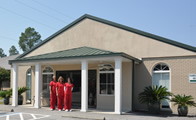
1318 South Main Street, Atmore, AL 36502
Phone (251) 928-6768
Fax (251) 517-0501
Office Hours:Wednesday 9 am - 3 pm & Thursday 8 am - 4:30 pm


