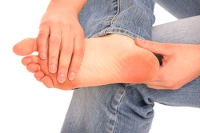
Fairhope and Atmore
Phone (251) 928-6768



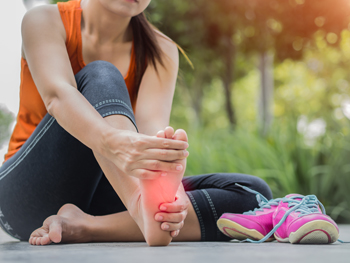
Foot pain is common in runners and can affect performance and daily comfort. Frequent causes include plantar fasciitis, which creates sharp heel pain from irritation of the plantar fascia, and metatarsalgia, a condition that leads to aching or burning in the ball of the foot. Injury stress fractures may also develop from repetitive impact and overuse. Simple stretches, such as the seated towel stretch, can help improve flexibility in the arch and calf, reducing strain during runs. A podiatrist can identify the source of pain, recommend supportive footwear, provide custom orthotics, and guide treatments that promote healthy movement. If foot pain is interrupting your training, it is suggested that you consult a podiatrist who can restore comfort and prevent further injury with effective treatment solutions.
All runners should take extra precaution when trying to avoid injury. If you have any concerns about your feet, contact Brent Harwood, DPM of Southeast Podiatry. Our doctor will treat your foot and ankle needs.
How to Prevent Running Injuries
There are a lot of mistakes a runner can make prior to a workout that can induce injury. A lot of athletes tend to overstretch before running, instead of saving those workouts for a post-run routine. Deep lunges and hand-to-toe hamstring pulls should be performed after a workout instead of during a warmup. Another common mistake is jumping into an intense routine before your body is physically prepared for it. You should try to ease your way into long-distance running instead of forcing yourself to rush into it.
More Tips for Preventing Injury
If you have any questions, please feel free to contact one of our offices located in Fairhope and Atmore, AL . We offer the newest diagnostic and treatment technologies for all your foot care needs.
Over half of all runners encounter at least one injury per year. The reason for this is because many runners do not train properly. Injuries are almost inevitable due to the physical stress that running causes. While our bodies are great at adapting to the stress, it can only handle it in small doses. Injuries occur when the stress is applied too quickly for the body to handle, causing something within it to break down. With each step you take, your leg is absorbing two or three times your body’s weight.
Some of the most popular running injuries are shin splints, plantar fasciitis, Achilles tendinitis, and stress fractures. Shin splints cause pain along the inside or outside of the shins, and this pain is usually felt at the beginning of a run. The condition itself is defined as an inflammation of the muscles or tendons located around the shinbone. To treat shin splints, it is advised that you ice the shin area and stretch the calf muscles. To prevent this injury, you should slowly increase the distance you plan on running, instead of jumping into a more strenuous routine.
Achilles tendinitis is another common injury and it feels like pain along the back of the leg, toward the heel. This condition is defined as an inflammation of the Achilles which is the largest tendon in the body. The Achilles is responsible for connecting your calf muscles to the heel bone and it is caused by tight calf muscles. If you want to treat this injury, you should take a break from running to cross train with a low-impact activity.
There are a lot of common mistakes runners make that are causing them to experience injury. One mistake is stretching too much prior to warming up. If you plan to go on a run, you should warm up with a gentle 3-5-minute walk followed by a 5-minute run-walk. Another common mistake is jumping into a routine too quickly. Consequently, you should incorporate cross-training into your routine. If you are looking to get active, you should slowly weave running into an activity you are currently participating in. For example, you can try bike riding for 40 minutes followed by a 10-minute run.
Another way to prevent running injuries is to choose shoes that are appropriate for running. There are certain things you should look for when buying a new pair of running shoes. An important factor in these sneakers is flexibility. Running shoes should be capable of bending and flexing at the forefoot. However, you should not be able to bend the entire shoe in half with ease because this is a sign that the shoe does not have enough structure. Additionally, you should look for the fit of the running shoes you want to purchase. It is best to visit a specialty running shoe store to have your feet properly sized. Choosing shoes that fit properly can prevent many foot ailments.
If you are suffering from any pain from running injuries, you should make an appointment with your podiatrist to discover the underlying cause of your pain. He or she will be able to help treat your condition in the best way possible.

Ingrown toenails can be painful and can make wearing shoes or walking uncomfortable. Seek professional help if you believe you've developed an ingrown toenail and be treated safely.
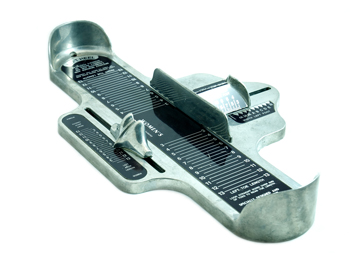
A well-fitting shoe supports the foot without creating pressure points or leaving too much room for the foot to slide. The toes should have enough space to move comfortably, with about a thumb’s width between the longest toe and the front of the shoe. The heel should sit securely without slipping, and the sides of the shoe should feel snug, but not tight. A supportive arch and a stable sole help maintain proper alignment during walking. Trying on shoes later in the day, when the feet are slightly larger, gives a more accurate sense of fit. Paying attention to comfort from the first step is important because shoes that feel uncomfortable at the start rarely improve with wear. If you experience rubbing, pressure, or discomfort in new shoes, it is suggested that you schedule an appointment with a podiatrist for footwear advice.
It is important to find shoes that fit you properly in order to avoid a variety of different foot problems. For more information about treatment, contact Brent Harwood, DPM from Southeast Podiatry. Our doctor will treat your foot and ankle needs.
Proper Shoe Fitting
Shoes have many different functions. They cushion our body weight, protect our feet, and allow us to safely play sports. You should always make sure that the shoes you wear fit you properly in order to avoid injuries and deformities such as: bunions, corns, calluses, hammertoes, plantar fasciitis, stress fractures, and more. It is important to note that although a certain pair of shoes might be a great fit for someone else, that doesn’t mean they will be a great fit for you. This is why you should always try on shoes before buying them to make sure they are worth the investment. Typically, shoes need to be replaced ever six months to one year of regular use.
Tips for Proper Shoe Fitting
The shoes you buy should always feel as good as they look. Shoes that fit properly will last longer, feel better, and improve your way of life each day.
If you have any questions please contact one of our offices located in Fairhope and Atmore, AL . We offer the newest diagnostic and treatment technologies for all your foot and ankle needs.
If you want to ensure the long-term health of your feet, you should choose the right pair of shoes to wear on an everyday basis. Poorly fitting shoes will not only be uncomfortable, but they may also cause foot pain and unwanted foot conditions. When looking for a new pair of shoes, there are certain factors you should look for.
One of the most crucial tips you can follow is to always try shoes on in the afternoon. It is normal for feet to swell throughout the day, which means your shoe size may be different in the morning compared to what it is at night. To be safe, you should go with the slightly bigger size to ensure that your feet have enough room within your shoes.
Another rule is to never buy shoes that are too tight (Many people buy shoes that are too tight for their feet and expect the shoes to stretch out). If you are looking for a pair of running sneakers, you can go to a specialty running shoe store to have your feet properly sized. When you purchase shoes in-store, walk around in them to make sure the shoes you are going to buy fit you properly. Take some time to make sure the shoes are comfortable for your feet
The upper section of your shoe should be made from a softer, more flexible material. The material that makes up the shoe should not be slippery. Arch support should be a key factor in the decision-making process for shoes. Arch support is crucial because it will prevent the arches in your feet from collapsing. If your arches collapse, the plantar fascia may begin to stretch out which could lead to plantar fasciitis.
Many problematic foot conditions may be prevented by wearing properly fitting shoes. Some of these unwanted conditions are bunions, corns, calluses, pain, stress fractures, and plantar fasciitis. If you are suffering from any of these ailments you may want to speak with your podiatrist.

Heel pain can negatively affect your day-to-day life. Simple activities like walking can become incredibly uncomfortable or painful due to heel pain.
Don’t live with heel pain and get treated.
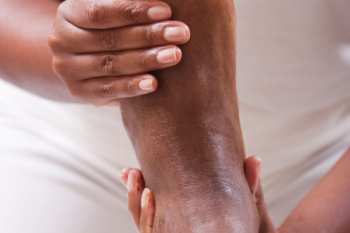
Reliable mobility depends on feet that feel supported, flexible, and free of irritation. Caring for the skin, monitoring nail health, and selecting footwear that matches your activity level all play a role in keeping each step steady. Light stretching for the toes, heels, and ankles can enhance flexibility, while addressing small concerns early prevents soreness that may interrupt daily routines. Conditions such as calluses, cracked skin, fungal infections, and numbness can gradually make walking less comfortable if they are ignored. Many adults also benefit from routine foot evaluations, which help identify changes that may interfere with balance or endurance. When the feet stay comfortable, staying active becomes far easier. If you notice persistent discomfort or difficulty with walking, it is suggested that you schedule an appointment with a podiatrist for personalized care.
Everyday foot care is very important to prevent infection and other foot ailments. If you need your feet checked, contact Brent Harwood, DPM from Southeast Podiatry. Our doctor can provide the care you need to keep you pain-free and on your feet.
Everyday Foot Care
Often, people take care of their bodies, face and hair more so than they do for their feet. But the feet are a very important aspect of our bodies, and one that we should pay more attention to. Without our feet, we would not be able to perform most daily tasks.
It is best to check your feet regularly to make sure there are no new bruises or cuts that you may not have noticed before. For dry feet, moisturizer can easily be a remedy and can be applied as often as necessary to the affected areas. Wearing shoes that fit well can also help you maintain good foot health, as well as making it easier to walk and do daily activities without the stress or pain of ill-fitting shoes, high heels, or even flip flops. Wearing clean socks with closed shoes is important to ensure that sweat and bacteria do not accumulate within the shoe. Clean socks help to prevent Athlete’s foot, fungi problems, bad odors, and can absorb sweat.
If you have any questions, please feel free to contact one of our offices located in Fairhope and Atmore, AL . We offer the newest diagnostic and treatment technologies for all your foot care needs.
Our feet are arguably one of the most important parts of the body. When it comes to health and beauty routines, the feet and toenails are usually ignored. You should always practice proper footcare to avoid any fungal infections or ailments that can not only ruin the appearance of your feet, but also cause pain. Ignoring any foot problems could potentially lead to an expensive doctor’s visit.
The most important step in proper foot care is to wash your feet daily. You should wash them with soap and water. Doing this will cleanse your feet of dirt, sweat and bacteria. It is crucial that you clean between the toes and pat your feet dry with a towel afterward. Your toenails are also an important part of the feet and you may find that they get dirtier in the summer when you wear sandals. It is important that you practice proper toenail care in addition to cleaning the rest of your feet. When trimming your nails, you should always trim straight across instead of in a rounded shape. Trimming in a curved shape may lead to ingrown toenails.
Moisturization is also important for foot care, and you should be moisturizing your feet every day. The best way to prevent dry feet is to rub lotion or petroleum jelly on your clean feet at night and put socks over them. In the morning, your feet should be soft and moisturized.
Another crucial step in proper foot care is to wear the right shoes for whichever activity you are going to partake in. In warmer weather, you should wear shoes that allow your feet to breathe. It is best to avoid shoes such as flip-fops that do not provide arch support. Tight shoes may also be harmful, and they may even cause you to develop bunions.
If you plan on taking a shower in a public area, you should be especially careful, so you do not pick up any fungi. Showers are prone to harboring different types of bacteria and fungi. You should always wear shower shoes or flip flops when walking around in locker rooms and public showers. Avoid sharing shoes with other people because this is another way that fungus may be spread.
If you are experiencing any problems with your feet you should speak with your podiatrist to determine the best method of treatment for you.
Do you suffer from heel pain when you get up in the morning? If so, you should seek professional help and have a proper diagnosis performed. Heel pain can be caused by several different foot-related conditions.
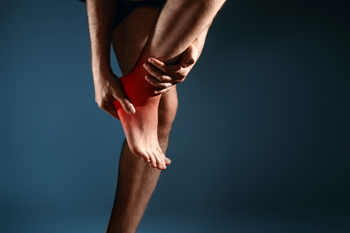
Heel pain can result from several causes, including plantar fasciitis, fractures, or tendonitis. Plantar fasciitis occurs when the thick band of tissue that connects the heel to the toes becomes inflamed, often due to overuse, improper footwear, or high impact activities. Heel fractures can result from trauma or stress and may cause swelling, bruising, or difficulty walking. Tendonitis involves inflammation of the tendons around the heel, often from repetitive strain or sudden increases in activity. Heel pain may look subtle from the outside but can feel sharp, stabbing, or aching, especially with the first steps in the morning or after prolonged activity. A podiatrist can diagnose the cause through physical examination, imaging if needed, and gait analysis. Treatment may include stretching, orthotics, supportive footwear, anti-inflammatory therapies, or targeted interventions for fractures. Early evaluation supports faster healing and prevents chronic pain. If you experience persistent heel discomfort, it is suggested that you make an appointment with a podiatrist.
Many people suffer from bouts of heel pain. For more information, contact Brent Harwood, DPM of Southeast Podiatry. Our doctor can provide the care you need to keep you pain-free and on your feet.
Causes of Heel Pain
Heel pain is often associated with plantar fasciitis. The plantar fascia is a band of tissues that extends along the bottom of the foot. A rip or tear in this ligament can cause inflammation of the tissue.
Achilles tendonitis is another cause of heel pain. Inflammation of the Achilles tendon will cause pain from fractures and muscle tearing. Lack of flexibility is also another symptom.
Heel spurs are another cause of pain. When the tissues of the plantar fascia undergo a great deal of stress, it can lead to ligament separation from the heel bone, causing heel spurs.
Why Might Heel Pain Occur?
Treatments
Heel pain should be treated as soon as possible for immediate results. Keeping your feet in a stress-free environment will help. If you suffer from Achilles tendonitis or plantar fasciitis, applying ice will reduce the swelling. Stretching before an exercise like running will help the muscles. Using all these tips will help make heel pain a condition of the past.
If you have any questions, please feel free to contact one of our offices located in Fairhope and Atmore, AL . We offer the newest diagnostic and treatment technologies for all your foot care needs.