Fairhope and Atmore
Phone (251) 928-6768



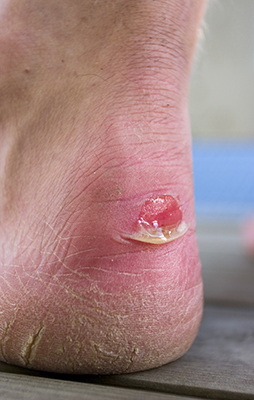 Blisters are a fairly common foot condition that can be easily prevented with a few simple steps. The first step is to always ensure the feet or kept clean to prevent any germs or bacteria from penetrating the skin. Wearing the right pair of socks can also help support the feet and reduce friction, which can create blisters. Applying bandages or band aids to any already existing blisters can help reduce excess heat or additional friction that can exacerbate the blister.
Blisters are prone to making everyday activities extremely uncomfortable. If your feet are hurting, contact one of our podiatrists from Southeast Podiatry. Our doctors will assist you with all of your podiatric concerns.
Foot Blisters
Foot blisters develop as a result of constantly wearing tight or ill-fitting footwear. This happens due to the constant rubbing from the shoe, which can often lead to pain.
What are Foot Blisters?
A foot blister is a small fluid-filled pocket that forms on the upper-most layer of the skin. Blisters are filled with clear fluid and can lead to blood drainage or pus if the area becomes infected.
How do Blisters Form?
Blisters on the feet are often the result of constant friction of skin and material, usually by shoe rubbing. Walking in sandals, boots, or shoes that don’t fit properly for long periods of time can result in a blister. Having consistent foot moisture and humidity can easily lead to blister formation.
Prevention & Treatment
It is important to properly care for the affected area in order to prevent infection and ease the pain. Do not lance the blister and use a Band-Aid to provide pain relief. Also, be sure to keep your feet dry and wear proper fitting shoes. If you see blood or pus in a blister, seek assistance from a podiatrist.
If you have any questions please contact our offices located in Fairhope, Brewton, and Atmore, AL. We offer the newest diagnostic and treatment technologies for all your foot care needs.
Read more about blisters on the feet
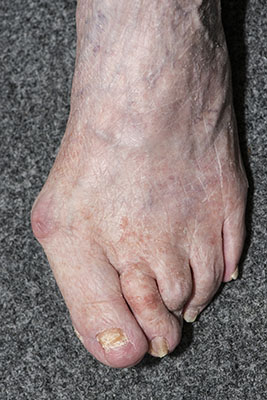 Hallux valgus, which is more commonly known as a bunion, is a deformity of the joint at the base of the big toe. Most people who have bunions develop them from wearing uncomfortable shoes for a long period of time. Women are more likely to have bunions compared to men because they often wear high heels. Bunions are not a life threatening condition; however they can negatively impact one’s quality of life. There are a few non-surgical options for those wishing to treat their bunions. Physiotherapy and the use of devices such as bunion splints and toe spacers can work to alleviate bunion pain; however they may not be effective in the long run.
Bunion surgery usually occurs after non-surgical methods have proved to be ineffective. If you have any concerns, contact one of our podiatrists from Southeast Podiatry. Our doctors will assess your injury and provide you with quality treatment.
What is a Bunion?
A bunion is formed of swollen tissue or an enlargement of boney growth, usually located at the base joint of the toe that connects to the foot. The swelling occurs by the bones in the big toe shifting inward, which impacts the other toes of the foot. This causes the area around the base of the big toe to become inflamed and painful.
Why do Bunions Form?
How are Bunions Diagnosed?
Doctors often perform two tests – blood tests and x-rays – when trying to diagnose bunions, especially in the early stages of development. Blood tests help determine if the foot pain is being caused by something else, such as arthritis, while x-rays provide a clear picture of your bone structure to your doctor.
How are Bunions Treated?
If you have any questions please contact our offices located in Fairhope, Brewton, and Atmore, AL.We offer the newest diagnostic and treatment technologies for all your foot care needs.
Read more about bunions.
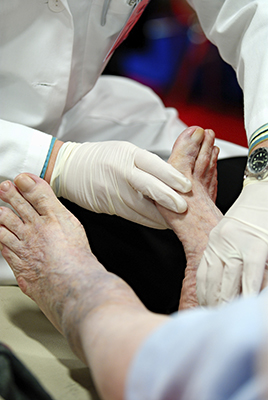 Plantar warts are small white growths that can be caused by viral infections. These warts are typically found on the plantar surface of the feet. Surgical removal may be used in order to remove plantar warts, but it is not always necessary. However, some doctors advise their patients not to use surgery to remove their plantar warts, because it may result in calluses.
Plantar warts can be very uncomfortable. If you need your feet checked, contact one of our podiatrists from Southeast Podiatry. Our doctors can provide the care you need to keep your pain free and on your feet.
About Plantar Warts
Plantar warts are the result of HPV, or human papillomavirus, getting into open wounds on the feet. They are mostly found on the heels or balls of the feet.
While plantar warts are generally harmless, those experiencing excessive pain or those suffering from diabetes or a compromised immune system require immediate medical care. Plantar warts are easily diagnosed, usually through scraping off a bit of rough skin or by getting a biopsy.
Symptoms
Treatment
To help prevent developing plantar warts, avoid walking barefoot over abrasive surfaces that can cause cuts or wounds for HPV to get into. Avoiding direct contact with other warts, as well as not picking or rubbing existing warts, will help prevent the further spread of plantar warts. However, if you think you have developed plantar warts, speak to your podiatrist. He or she can diagnose the warts on your feet and recommend the appropriate treatment options.
If you have any questions please feel free to contact our office located in Fairhope, Brewton, and Atmore, AL. We offer the newest diagnostic and treatment technologies for all your foot care needs.
Read more about plantar warts
 An 87-year-old man named Ned Martino has expressed his praise for the benefits Tai Chi provides. Martino states that Tai Chi has helped him improve his balance. An organization named “Stay On Your Feet” is scheduled to host Tai Chi sessions aimed to help people with arthritis. Tai Chi is an excellent way to improve balance, confidence, and muscular strength.
Proper foot care is something many older adults forget to consider. If you have any concerns about your Feet contact one of our podiatrists from Southeast Podiatry. Our doctors can provide the care you need to keep your pain free and on your feet.
The Elderly and their Feet
As we age we start to notice many changes in our body, but the elder population may not notice them right away. Medical conditions may prevent the elderly to take notice of their foot health right away. Poor vision is a lead contributor to not taking action for the elderly.
Common Conditions
Neuropathy – can reduce feeling in the feet, and can hide many life threating medical conditions.
Reduced flexibility – prevents the ability of proper toenail trimming, and foot cleaning. If left untreated, it may lead to further medical issues.
Foot sores – amongst the older population can be serious before they are discovered. Some of the problematic conditions they may face are:
Gouging toenails affecting nearby toe
Shoes that don’t fit properly
Pressure sores
Loss of circulation in legs & feet
Edema & swelling of Feet
Susceptible Infections
Diabetes and poor circulation can cause general loss of sensitivity over the years, turning a simple cut into a serious issue.
If you have any questions please feel free to contact our office located in Fairhope, Brewton, and Atmore, AL. We offer the newest diagnostic and treatment technologies for all your foot care needs.
Read more about Elderly and Feet
 It is very common for athletes to experienceinjuries while playing the sport they love. Although there are ways to avoid such injuries, these methods aren’t always effective. When it comes to managing minor injuries, the RICE technique is often used. RICE stands for Rest, Ice, Compression, and Elevation. Painkillers are also used to treat sports-inflicted injuries; however some people cannot handle the side effects that come along with taking them. Consequently, these people may want to look into other treatment options such as kinesiology tape or chiropractic care. Consult with your doctor if you sustain an injury.
Sports related foot injuries need proper treatment before players can go back to their regular routines. If you have any concerns,contact one of our podiatrists from Southeast Podiatry. Our doctors will treat your foot care needs.
Sport Related foot Injuries
foot injuries are a common occurrence when it comes to athletes of any sport. While many athletes dismiss the initial aches and pains, the truth is that ignoring potential foot injuries can lead to serious problems. As athletes continue to place pressure and strain the area further, a mild injury can turn into something as serious as a rupture and may lead to a permanent disability. There are many factors that contribute to sports related foot injuries, which include failure to warm up properly, not providing support or wearing bad footwear. Common injuries and conditions athletes face, including:
Sports-related injuries are commonly treated using the RICE method. This includes rest, applying ice to the injured area, compression and elevating the . More serious sprains and injuries may require surgery, which could include arthroscopic and reconstructive surgery. Rehabilitation and therapy may also be required in order to get any recovering athlete to become fully functional again. Any unusual aches and pains an athlete sustains must be evaluated by a licensed, reputable medical professional.
If you have any questions please feel free to contact our office locatedin Fairhope, Brewton, and Atmore, AL. We offer the newest diagnostic tools and technologies to treat your foot care needs.
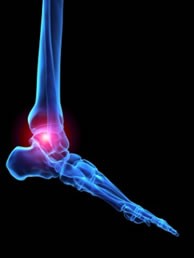 Rheumatoid arthritis (RA) exists as an autoimmune disease that attacks healthy tissue cells in the body, leading to pain and inflammation. Rheumatoid arthritis can happen at any age, with children being able to develop juvenile rheumatoid arthritis. It is especially important to regularly visit your doctor for treatment in preventing the progression of RA symptoms. Treatment options include different anti-inflammation medications and physical therapy. If RA is not treated properly, it can lead to eventual disability.
Because RA affects more than just your joints, including the joints in your Feet, it is important to seek early diagnosis from your podiatrist if you feel like the pain in your feet might be caused by RA. For more information, contact one of our podiatrists from Southeast Podiatry. Our doctors will treat your foot care needs.
What Is Rheumatoid Arthritis?
Rheumatoid Arthritis (RA) is an autoimmune disorder in which the body’s own immune system attacks the membranes surrounding the joints. Inflammation of the lining and eventually the destruction of the joint’s cartilage and bone occur, causing severe pain and immobility.
Rheumatoid Arthritis of the Feet
Although RA usually attacks multiple bones and joints throughout the entire body, almost 90 percent of cases result in pain in the foot area.
Symptoms
- Swelling & pain in the feet
- Stiffness in the feet
- Pain on the ball or sole of feet
- Joint shift and deformation
Diagnosis
Quick diagnosis of RA in the feet is important so that the podiatrist can treat the area effectively. Your doctor will ask you about your medical history, occupation, and lifestyle to determine the origin of the condition. Rheumatoid Factor tests help to determine if someone is affected by the disease.
If you have any questions, please feel free to contact one of our offices located in Fairhope, Brewton, and Atmore, AL. We offer the newest diagnostic and treatment technologies for all your foot care needs.
 Cierra Portman, freshman forward for Missouri women’s basketball team, had to have surgery in late April to repair a Lisfranc injury. A screw was inserted during surgery to repair her foot injury. Porter sustained the injury while playing during high school, which she continued to play through into her first year at MU. Following the surgery, Porter was put on recovery for 6 to 8 weeks, with her father and assistant coach, Michael Porter Sr., hopeful that she will be pain-free again.
Foot surgery is sometimes necessary to fix a foot ailment. To learn more, contact one of our podiatrists from Southeast Podiatry. Our doctors can provide the care you need to keep your pain free and on your feet.
When Is Surgery Necessary?
foot surgery is generally reserved for cases in which less invasive, conservative procedures have failed to help with the problem. Some of the cases in which surgery may be necessary are:
What Types of Surgery Are There?
The type of surgery you receive will depend on the nature of the problem you have. Some of the possible surgeries include:
Benefits of Surgery
Although surgery is usually a last resort, it can provide more complete pain relief compared to non-surgical methods and may allow you to finally resume full activity.
Surgical techniques have also become increasingly sophisticated. Techniques like endoscopic surgery allow for smaller incisions and faster recovery times.
If you have any questions, please feel free to contact one of our offices located in Fairhope, Brewton, and Atmore, AL. We offer the newest diagnostic and treatment technologies for all your foot care needs.
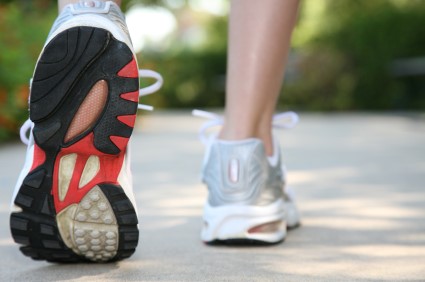 As the warmer weather is coming around, more people are expected to start transitioning to jogging and running outside. According to Ian Hankins, coach of cross country and track and field, “When you run, you never have both feet on the ground at the same time,” so it’s important that your body is properly aligned when you run. Avoid leaning forward or backward when running. It’s also important to have proper weight training to strengthen the upper body and core. Balance is fundamental in ensuring that we maximize energy and efficiency while running.
Runners can still be prone to running injuries even with proper precautions. If you are suffering from a running injury, contact one of our podiatrists from Southeast Podiatry. Our doctors can provide the care you need to keep your pain free and on your feet.
How to Prevent Running Injuries
Many common running injuries are caused by overuse and overtraining. When the back of the kneecap starts wearing out and starts causing pain in your knee, this is commonly referred to as runner’s knee. Runner’s knee is a decrease in strength in your quadriceps and can occur if you’re not wearing properly fitted or supporting shoes. To prevent runner’s knee, focusing on hip strengthening is a good idea, as well as strengthening your quads to keep the kneecaps aligned.
What Are Some Causes of Running Injuries?
- One cause of a common running injury is called iliotibial band syndrome.
- Plantar fasciitis is also another common injury.
- Stress fractures can occur from overtraining, lack of calcium, or even your running style.
Best Ways to Prevent Running Injuries
- Wear footwear that fits properly and suits your running needs.
- Running shoes are the only protective gear that runners have to safeguard them from injury.
- Make a training schedule. Adding strengthening exercises as well as regular stretching can help keep you strong and limber and can lessen the possibility of injuries.
- Stretching keeps muscles limber, this will help you gain better flexibility.
If you have any questions, please feel free to contact one of our offices located in Fairhope, Brewton, and Atmore, AL. We offer the newest diagnostic and treatment technologies for all your foot care needs.
 Although sweating is a natural process, the body’s way of regulating our overall temperature, certain factors may lead to increased sweating. Our bodies have between two to four million sweat glands, and factors such as obesity, being sedentary, caffeine, smoking, and synthetic fabrics can make us prone to sweating. Excessive sweating is also known as a common condition in which glands across our body produce more sweat than usual. See a doctor if you feel that your sweating is flaring up excessively.
If you are suffering from hyperhidrosis contact one of our podiatrists from Southeast Podiatry. Our doctors can provide the care you need to keep your pain free and on your feet.
Hyperhidrosis of the Feet
Hyperhidrosis is a rare disorder that can cause people to have excessive sweating of their feet. This can usually occur all on its own without rigorous activity involved. People who suffer from hyperhidrosis may also experience sweaty palms.
Although it is said that sweating is a healthy process meant to cool down the body temperature and to maintain a proper internal temperature, hyperhidrosis may prove to be a huge hindrance on a person’s everyday life.
Plantar hyperhidrosis is considered to be the main form of hyperhidrosis. Secondary hyperhidrosis can refer to sweating that occurs in areas other than the feet or hands and armpits. Often this may be a sign of it being related to another medical condition such as menopause, hyperthyroidism and even Parkinson’s disease.
In order to alleviate this condition, it is important to see your doctor so that they may prescribe the necessary medications so that you can begin to live a normal life again. If this is left untreated, it is said that it will persist throughout an individual’s life.
A last resort approach would be surgery, but it is best to speak with your doctor to find out what may be the best treatment for you.
If you have any questions, please feel free to contact one of our offices located in Fairhope, Brewton, and Atmore, AL. We offer the newest diagnostic and treatment technologies for all your foot care needs.
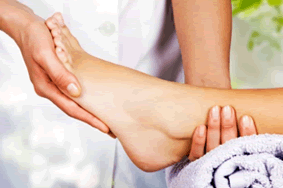 Morton’s neuroma is characterized as the thickening of the tissue surrounding the nerves of the toes. Also known as interdigital neuroma, the condition occurs when the nerves of the toes become irritated and inflamed, which can lead to tingling or numbing sensations. Changing any ill-fitting footwear is important for preventing further progression of Morton’s neuroma. Avoid shoes such as high heels and opt for shoe inserts or custom orthotics to reduce pressure on your toes.
Morton’s Neuroma is a very uncomfortable condition to live with. If you think you have Morton’s neuroma contact one of our podiatrists from Southeast Podiatry. Our doctors can provide the care you need to keep your pain free and on your feet.
Morton’s Neuroma
Morton's neuroma is a painful foot condition that commonly affects the areas between the second and third or third and fourth toe, although other areas of the foot are also susceptible. Morton’s neuroma is caused by an inflamed nerve in the foot that is being squeezed and aggravated by surrounding bones.
What Increases the Chances of having Morton’s Neuroma?
Morton’s neuroma is a very treatable condition. Orthotics and shoe inserts can often be used to alleviate the pain on the forefront of the feet. In more severe cases, corticosteroids can also be prescribed. In order to figure out the best treatment for your neuroma, it’s recommended to seek the care of a podiatrist who can diagnose your condition and provide different treatment options.
If you have any questions, please feel free to contact one of our offices located in Fairhope, Brewton, and Atmore, AL. We offer the newest diagnostic and treatment technologies for all your foot care needs.
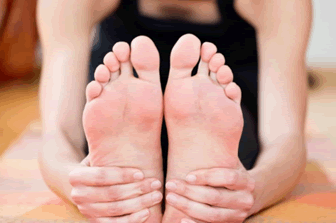 There are many different causes of plantar fasciitis, many of which can be addressed by proper arch supports or custom orthotics. Different causes include tight arches, improper pronation of the feet, and tight calves, all of which can cause inflammation of the plantar fasciia. Stretches for your calf can also help alleviate arch pain. Use a round object like a golf ball to roll under your arch every day, as this is another method to help treat heel pain.
Plantar fasciitis can be very painful and inconvenient. If you are experiencing heel pain or symptoms of plantar fasciitis, contact one of our podiatrists from Southeast Podiatry. Our doctors can provide the care you need to keep your pain free and on your feet.
What is Plantar Fasciitis?
Plantar fasciitis is the inflammation of the thick band of tissue that runs along the bottom of your foot, known as the plantar fascia, and causes mild to severe heel pain.
What Causes Plantar Fasciitis?
· Excessive running
· Non-supportive shoes
· Overpronation
· Repeated stretching and tearing of the plantar fascia
How Can It Be Treated?
· Conservative measures – anti-inflammatories, ice packs, stretching exercises, physical therapy, orthotic devices
· Shockwave therapy – sound waves are sent to the affected area to facilitate healing and are usually used for chronic cases of plantar fasciitis
· Surgery – usually only used as a last resort when all else fails. The plantar fascia can be surgically detached from the heel
While very treatable, plantar fasciitis is definitely not something that should be ignored. Especially in severe cases, speaking to your doctor right away is highly recommended to avoid complications and severe heel pain. Your podiatrist can work with you to provide the appropriate treatment options tailored to your condition.
If you have any questions, please feel free to contact one of our offices located in Fairhope, Brewton, and Atmore, AL. We offer the newest diagnostic and treatment technologies for all your foot care needs.
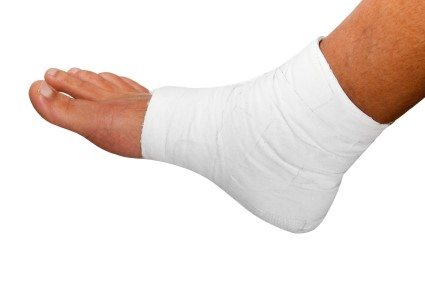 Stress fractures are injuries commonly caused by strenuous exercise, so it’s important to take breaks during your exercise routines. It is recommended to slowly increase your strength and endurance over time to prevent stress fractures. Stress fractures are caused by the constant pounding that your bones take over a period of time, as muscles become exhausted from strenuous exercise and are unable to protect the bones. Eating a healthy diet can help prevent stress fractures. Calcium and vitamin D are both important in building and strengthening bones.
Activities where too much pressure is put on the feet can cause stress fractures. To learn more, contact one of our podiatrists from Southeast Podiatry. Our doctors can provide the care you need to keep your pain free and on your feet.
Dealing with Stress Fractures of the foot
The Stress Fractures occur on the foot when muscles in these areas weaken from too much or too little use. Then the Feet lose support when walking or running from the impact of the ground. Since there is no protection the bones receive the full impact of each step. The stress on the feet causes cracks to form in the bones, thus called stress fractures.
What are Stress Fractures?
Stress fractures occur frequently in individuals whose daily activities cause great impact on the Feet. Stress factors are most common among:
-runners
-people affected with Osteoporosis
-play tennis or basketball
-gymnastics
-high impact workouts
Symptoms
Pain from the fractures occur in the area of the fractures, and can be constant or intermittent. It will often cause sharp or dull pain with swelling and tenderness. Engaging in any kind of activity which involves in high impact will aggravate pain.
If you have any questions, please feel free to contact one of our offices located in Fairhope, Brewton, and Atmore, AL. We offer the newest diagnostic and treatment technologies for all your foot care needs.
 Being a diabetic patient means the risk of neuropathy and the loss of sensation in areas of your body such as the feet. When your feet loses feeling, that means they become at risk for complications like amputation. Neuropathy is caused by severe nerve damage to the feet, which can also “cause changes to the foot structure as the nerves affect muscle function, leading to foot deformities.” Wounds or injuries in the feet may go unnoticed and can become infected. Diabetic patients also have reduced blood circulation, making open wounds more prone to infection.
Diabetic foot care is important in preventing foot ailments such as ulcers. If you are suffering from diabetes or have any other concerns about your feet contact one of our podiatrists from Southeast Podiatry. Our doctors can provide the care you need to keep your pain free and on your feet.
Diabetic Foot Care
Diabetes affects millions of people every year. Diabetes can damage blood vessels in many parts of the body, including the feet. Because of this, taking care of your feet is essential if you have diabetes, and having a podiatrist help monitor your foot health is highly recommended.
The Importance of Caring for Your Feet
Patients with diabetes should have their doctor monitor their blood levels because blood sugar levels play such a huge role in diabetic care. Monitoring these levels on a regular basis is highly advised.
It is always best to inform your healthcare professional of any concerns you may have regarding your feet, especially for diabetic patients. Early treatment and routine foot examinations are keys to maintaining proper health, especially because severe complications can arise if proper treatment is not applied.
If you have any questions, please feel free to contact one of our offices located in Fairhope, Brewton, and Atmore, AL. We offer the newest diagnostic and treatment technologies for all your foot care needs.
Read more about Diabetic Foot Care
 Exercising as we get older can lead to many different benefits for our bodies. Dr. Harun Durudogan, orthopedic surgeon at Advocate Christ Medical Center, says that “exercise can help strengthen the muscles around the joints and lower the chance of injuries.” Aging means the weakening of bones and muscles and less support for our bodies. It’s important to warm up and stretch before exercising if you are older to avoid injury and joint pain. Exercise can also prevent arthritis and achy joints, so it is recommended for people of all ages.
Proper foot care is something many older adults forget to consider. If you have any concerns about your Feet contact one of our podiatrists from Southeast Podiatry. Our doctors can provide the care you need to keep your pain free and on your feet.
The Elderly and their Feet
As we age we start to notice many changes in our body, but the elder population may not notice them right away. Medical conditions may prevent the elderly to take notice of their foot health right away. Poor vision is a lead contributor to not taking action for the elderly.
Common Conditions
Neuropathy – can reduce feeling in the feet, and can hide many life threating medical conditions.
Reduced flexibility – prevents the ability of proper toenail trimming, and foot cleaning. If left untreated, it may lead to further medical issues.
Foot sores – amongst the older population can be serious before they are discovered. Some of the problematic conditions they may face are:
Gouging toenails affecting nearby toe
Shoes that don’t fit properly
Pressure sores
Loss of circulation in legs & feet
Edema & swelling of Feet
Susceptible Infections
Diabetes and poor circulation can cause general loss of sensitivity over the years, turning a simple cut into a serious issue.
If you have any questions, please feel free to contact one of our offices located in Fairhope, Brewton, and Atmore, AL. We offer the newest diagnostic and treatment technologies for all your foot care needs.