Fairhope and Atmore
Phone (251) 928-6768



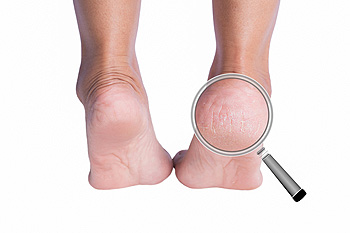 The foot condition that is known as cracked heels can be unsightly and uncomfortable. It can occur as a result of standing on hard surfaces for the majority of the day, or wearing shoes that have an open back. Additionally, existing medical conditions including eczema and psoriasis may lead to developing cracked heels. It is beneficial to receive regular pedicures, and it may help to stay hydrated by frequently drinking water. There are patients who find mild relief when their feet are soaked in warm water, and it often helps to use a good moisturizer. If you have cracked heels and would like more information about how to prevent and treat them, please consult with a podiatrist.
Cracked heels are unsightly and can cause further damage to your shoes and feet. If you have any concerns, contact Brent Harwood, DPM from Southeast Podiatry. Our doctor can provide the care you need to keep you pain-free and on your feet.
Cracked Heels
Cracked heels appear unappealing and can make it harder for you walk around in sandals. Aside from looking unpleasant, cracked heels can also tear stockings, socks, and wear out your shoes. There are several methods to help restore a cracked heel and prevent further damage.
How Do You Get Them?
Dry skin is the number one culprit in creating cracked heels. Many athletes, walkers, joggers, and even swimmers suffer from cracked heels. Age and skin oil production play a role to getting cracked heels as well.
Promote Healing
Over the counter medicines can help, especially for those that need instant relief or who suffer from chronic dry feet.
Wear Socks – Wearing socks with medicated creams helps lock in moisture.
Moisturizers – Applying both day and night will help alleviate dryness which causes cracking.
Pumice Stones – These exfoliate and remove dead skin, which allows for smoother moisturizer application and better absorption into the skin.
Change in Diet
Eating healthy with a well-balanced diet will give the skin a fresh and radiant look. Your body responds to the kinds of food you ingest. Omega-3 fatty acids and zinc supplements can also revitalize skin tissue.
Most importantly, seek professional help if unsure how to proceed in treating cracked heels. A podiatrist will help you with any questions or information needed.
If you have any questions, please feel free to contact one of our offices located in Fairhope, Brewton, and Atmore, AL . We offer the newest diagnostic and treatment technologies for all your foot care needs.
Read more about Solutions for Cracked Heels
Have your child's feet been examined lately? Healthy feet are happy feet. If your child is complaining of foot pain, it may be a sign of underlying problems.
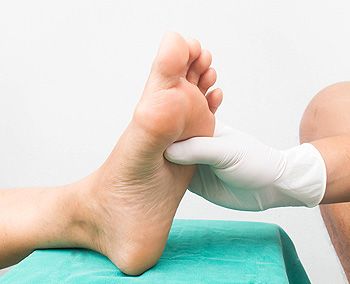
Diabetic patients can suffer serious medical complications if a foot wound is left untreated. This is because high blood sugar levels can impact the circulatory and nervous systems, leading to poor circulation and nerve damage, particularly in the feet. There are methods that can be implemented which can help to prevent complications from diabetes. These can include washing and drying the feet thoroughly, wearing shoes that fit correctly, and trimming the toenails properly. If you have diabetes, it is strongly suggested that you are under the care of a podiatrist who can help you to effectively manage your foot health.
Diabetic foot care is important in preventing foot ailments such as ulcers. If you are suffering from diabetes or have any other concerns about your feet, contact Brent Harwood, DPM from Southeast Podiatry. Our doctor can provide the care you need to keep you pain-free and on your feet.
Diabetic Foot Care
Diabetes affects millions of people every year. The condition can damage blood vessels in many parts of the body, especially the feet. Because of this, taking care of your feet is essential if you have diabetes, and having a podiatrist help monitor your foot health is highly recommended.
The Importance of Caring for Your Feet
Patients with diabetes should have their doctor monitor their blood levels, as blood sugar levels play such a huge role in diabetic care. Monitoring these levels on a regular basis is highly advised.
It is always best to inform your healthcare professional of any concerns you may have regarding your feet, especially for diabetic patients. Early treatment and routine foot examinations are keys to maintaining proper health, especially because severe complications can arise if proper treatment is not applied.
If you have any questions please feel free to contact one of our offices located in Fairhope, Brewton, and Atmore, AL . We offer the newest diagnostic and treatment technologies for all your foot care needs.
Read more about How to Care for Diabetic Foot
Your feet are covered most of the day. If you're diabetic, periodic screening is important for good health. Numbness is often a sign of diabetic foot and can mask a sore or wound.

Custom orthotics, or shoe inserts, should be periodically replaced. Orthotics must fit properly to give you the best results. Protect your feet and ankles!
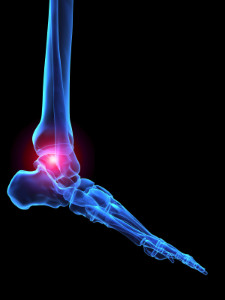 Rheumatoid arthritis (RA) is an autoimmune condition in which the body’s immune system malfunctions and begins to attack otherwise healthy joints. When the immune system attacks the lining of the joints, called the synovium, it thickens and produces excess joint fluid. Excess joint fluid and certain chemicals released by the immune system cause the joints to become inflamed. This leads to symptoms such as pain, swelling, stiffness, redness, and a feeling of warmth around the joints. RA often affects the joints of the feet, which can make walking and going about your daily activities more difficult. If you have RA that affects your feet, please consult with a podiatrist, who can help you manage this condition and maintain your mobility.
Because RA affects more than just your joints, including the joints in your Feet, it is important to seek early diagnosis from your podiatrist if you feel like the pain in your feet might be caused by RA. For more information, contact Brent Harwood, DPM of Southeast Podiatry. Our doctor will assist you with all of your podiatric concerns.
What Is Rheumatoid Arthritis?
Rheumatoid Arthritis (RA) is an autoimmune disorder in which the body’s own immune system attacks the membranes surrounding the joints. Inflammation of the lining and eventually the destruction of the joint’s cartilage and bone occur, causing severe pain and immobility.
Rheumatoid Arthritis of the Feet
Although RA usually attacks multiple bones and joints throughout the entire body, almost 90 percent of cases result in pain in the foot area.
Symptoms
Diagnosis
Quick diagnosis of RA in the feet is important so that the podiatrist can treat the area effectively. Your doctor will ask you about your medical history, occupation, and lifestyle to determine the origin of the condition. Rheumatoid Factor tests help to determine if someone is affected by the disease.
If you have any questions please feel free to contact one of our offices located in Fairhope, Brewton, and Atmore, AL . We offer the newest diagnostic and treatment technologies for all your foot care needs.
Read more about Rheumatoid Arthritis in the Feet
Suffering from this type of pain? You may have the foot condition known as Morton's neuroma. Morton's neuroma may develop as a result of ill-fitting footwear and existing foot deformities. We can help.

People who work all day on their feet can experience throbbing, painful feet at the end of a shift. Along with putting your feet up during work breaks and standing on a cushioned mat, a few simple exercises after hours may help to alleviate the swelling and ease pain. Take your shoes and socks off and sit in a chair. Put a tennis ball on the floor and, using the bottom of your foot, press down and roll it around. Do this for a few minutes and then switch feet. For pain specifically on the bottom of the foot, stand up and lift your leg behind you. Place your toes down behind you and lightly push, feeling the stretch on the bottom of your foot. Hold this position for 10 seconds and then repeat on the other foot. To stretch your ankles, lay on your back and point your toes up towards the ceiling. Alternately point and flex your toes 10 times, and then gently roll your ankles in circles. You can schedule an appointment with a podiatrist who can examine your feet and offer additional ways to support and protect your feet, and relieve any heel or ankle pain you may be experiencing.
While working on the feet, it is important to take the proper care of them. For more information about working on your feet, contact Brent Harwood, DPM from Southeast Podiatry. Our doctor will treat your foot and ankle needs.
Working on Your Feet
Standing on your feet for long periods of time can cause stress and pain in your feet. Your whole body may experience change in terms of posture, back pain, bunions, callouses and or plantar warts. There are ways to avoid these conditions with proper foot care, smart choices and correct posture.
Positive Changes
Negative heeled shoe – Choosing this shoe type places the heel slightly lower than the ball of the foot. These are great for overall foot health. Find shoes that fit you correctly.
Go barefoot – Our feet were not designed to be enclosed for all hours of the day. Try to periodically expose your feet to air.
Eliminate Pain
Foot Exercises – Performing simple exercises, incorporating yoga and doing stretches are beneficial. This will allow increased blood flow to the area and muscles of the foot.
Achilles tendon – Stretching the foot out flat on the floor will relax the calf muscles and tendon. These exercises can be performed almost anywhere. Make sure you add these exercises to your daily regimen.
With a little bit of this information and knowing more about foot health, you will notice changes. Foot stretches and proper footwear will help with pain and prevent further issues.
If you have any questions please feel free to contact one of our offices located in Fairhope, Brewton, and Atmore, AL . We offer the newest diagnostic and treatment technologies for all your foot and ankle needs.

Do you suffer from heel pain when you get up in the morning? If so, you should seek the professional help of your podiatrist and have a proper diagnosis performed. Heel pain can be caused by several different foot-related conditions.
 Medical doctors who specialize in treating the lower legs and feet are known as podiatrists. They can treat issues that stem from both injuries as well as medical conditions, like diabetes, and they can perform surgeries, reset broken bones, run tests and prescribe medications. Because diabetes can cause patients to not get enough blood to their feet, regular podiatrist visits can help prevent severe issues in diabetics that can lead to amputation. Patients who are suffering from heel pain should visit a podiatrist because of the stability the heel provides. Podiatrists can also help patients with skin conditions such as corns, calluses, warts, and Athlete’s foot. Toenail issues such as ingrown toenails or fungal nail infections can be treated by podiatrists as well. If you are experiencing issues with your feet, visiting a podiatrist for help is suggested.
If you are dealing with pain in your Feet, you may want to seek help from a podiatrist. Feel free to contact Brent Harwood, DPM from Southeast Podiatry. Our doctor can provide the care you need to keep you pain-free and on your feet.
What Is a Podiatrist?
A podiatrist is a doctor of podiatric medicine who diagnoses and treats conditions of the foot, , and related structures of the leg. Your podiatrist may specialize in a certain field such as sports medicine, wound care, pediatrics, and diabetic care. Podiatrists have the ability to become board certified through training, clinical experience, and then taking an exam.
What Do Podiatrists Do?
On a daily basis, a podiatrist may perform the following activities:
It is very important that you take care of your feet. It’s easy to take having healthy feet for granted, however foot problems tend to be among the most common health conditions. Podiatrists can help diagnose and treat a variety of feet related conditions, so it is crucial that you visit one if you need assistance.
If you have any questions please feel free to contact one of our offices located in Fairhope, Brewton, and Atmore, AL . We offer the newest diagnostic and treatment technologies for all your foot care needs.
Read more about What is a Podiatrist?

You don't need an excuse to have beautiful nails. Step outside without worrying about the appearance of your feet.
Have your child's feet been examined lately? Healthy feet are happy feet. If your child is complaining of foot pain, it may be a sign of underlying problems.
Your feet are covered most of the day. If you're diabetic, periodic screening is important for good health. Numbness is often a sign of diabetic foot and can mask a sore or wound.
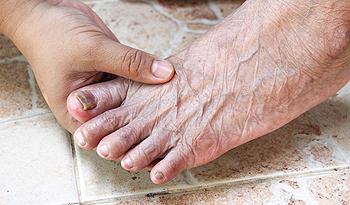
Millions of people in America will have at least one bout with nail fungus in their lifetime. Infections are said to occur more in adults over 40 due to structural changes in toenails, and athletes whose feet spend a lot of time confined in damp socks and shoes. If a family member has toenail fungus, that can increase your chance of infection as well. At best, toenail fungus is unsightly and embarrassing. At worst, it may lead to bacterial infections in people with circulatory issues, diabetes, or immune system disorders. You can lower your risk of contracting toenail fungus by wearing flip-flops in locker rooms and communal showers, keeping your toenails trimmed and injury-free, letting your feet air out after being in stuffy athletic shoes, and never sharing toenail clippers or other foot care instruments with anyone. To help clear up your toenail fungus as quickly as possible, make an appointment with a podiatrist who can utilize a variety of treatments to rid your toenails from those pesky keratin-eating fungi.
If left untreated, toenail fungus may spread to other toenails, skin, or even fingernails. If you suspect you have toenail fungus it is important to seek treatment right away. For more information about treatment, contact Brent Harwood, DPM of Southeast Podiatry. Our doctor can provide the care you need to keep you pain-free and on your feet.
Symptoms
Treatment
If self-care strategies and over-the-counter medications does not help your fungus, your podiatrist may give you a prescription drug instead. Even if you find relief from your toenail fungus symptoms, you may experience a repeat infection in the future.
Prevention
In order to prevent getting toenail fungus in the future, you should always make sure to wash your feet with soap and water. After washing, it is important to dry your feet thoroughly especially in between the toes. When trimming your toenails, be sure to trim straight across instead of in a rounded shape. It is crucial not to cover up discolored nails with nail polish because that will prevent your nail from being able to “breathe”.
In some cases, surgical procedure may be needed to remove the toenail fungus. Consult with your podiatrist about the best treatment options for your case of toenail fungus.
If you have any questions, please feel free to contact one of our offices located in Fairhope, Brewton, and Atmore, AL . We offer the newest diagnostic and treatment technologies for all your foot care needs.
Read more about How to Treat Your Toenail Fungus