Fairhope and Atmore
Phone (251) 928-6768



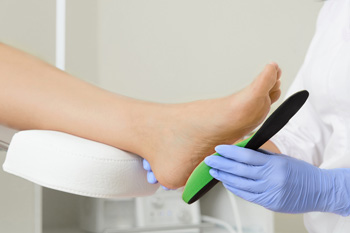 Orthotics are special shoe inserts that are designed to help correct a variety of foot related issues by relieving pressure or realigning the feet. They can also help reduce pain in the feet, knees, and lower back. There are three common types of orthotics known as soft, rigid, and semi-rigid. Soft orthotics are made to provide extra cushioning while the foot is planted on the ground. Semi-rigid orthotics, which are often used on flat feet, are designed to provide both cushioning and stability. Meanwhile, rigid orthotics are designed to provide stability and to help prevent movements that can cause pain. Patients who believe that orthotics are right for them should visit a podiatrist. A podiatrist will be able to customize an orthotic and tailor it to your needs.
If you are having discomfort in your feet and would like to try orthotics, contact Brent Harwood, DPM from Southeast Podiatry. Our doctor can provide the care you need to keep you pain-free and on your feet.
What Are Orthotics?
Orthotics are inserts you can place into your shoes to help with a variety of foot problems such as flat feet or foot pain. Orthotics provide relief and comfort for minor foot and heel pain but can’t correct serious biomechanical problems in your feet.
Over-the-Counter Inserts
Orthotics come in a wide variety of over-the-counter inserts that are used to treat foot pain, heel pain, and minor problems. For example, arch supports can be inserted into your shoes to help correct overarched or flat feet, while gel insoles are often used because they provide comfort and relief from foot and heel pain by alleviating pressure.
Prescription Orthotics
If over-the-counter inserts don’t work for you or if you have a more severe foot concern, it is possible to have your podiatrist prescribe custom orthotics. These high-quality inserts are designed to treat problems such as abnormal motion, plantar fasciitis, and severe forms of heel pain. They can even be used to help patients suffering from diabetes by treating foot ulcers and painful calluses and are usually molded to your feet individually, which allows them to provide full support and comfort.
If you are experiencing minor to severe foot or heel pain, it’s recommended to speak with your podiatrist about the possibilities of using orthotics. A podiatrist can determine which type of orthotic is right for you and allow you to take the first steps towards being pain-free.
If you have any questions please contact one of our offices located in Fairhope, Brewton, and Atmore, AL . We offer the newest diagnostic and treatment technologies for all your foot and ankle needs.
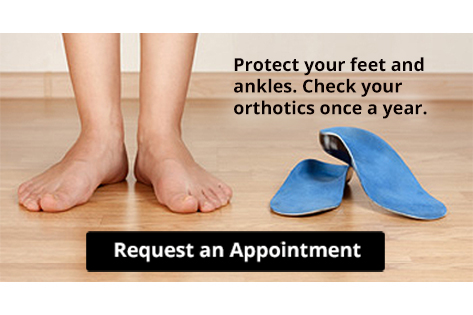
Custom orthotics, or shoe inserts, should be periodically replaced. Orthotics must fit properly to give you the best results. Protect your feet and ankles!
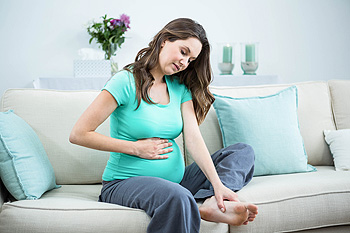
Everything swells when you are pregnant, and your feet are no exception. This swelling (edema) during pregnancy is caused when your body produces and retains more blood and fluids to feed the growing baby in your uterus. The inordinate amount of pressure that the uterus places on blood vessels causes them to struggle with pumping blood back out of your feet and legs. Also, the extra fluids your body creates during pregnancy tend to gather in the lower extremities during the day when you are standing and sitting. You can help ease the symptoms of edema by wearing comfortable shoes, drinking plenty of water, and taking breaks to elevate and stretch your feet throughout the day. The stress and strain of extra weight and swelling can lead to other conditions in your feet such as corns, calluses, pain, and overpronation—where the foot flattens and rolls inwardly while walking. A podiatrist is an important part of a woman’s medical team during pregnancy. They can give professional advice on exercises and footwear, treat uncomfortable foot conditions, and prescribe custom orthotics to help ease pain and distribute excess weight more evenly across the feet.
Pregnant women with swollen feet can be treated with a variety of different methods that are readily available. For more information about other cures for swollen feet during pregnancy, consult with Brent Harwood, DPM from Southeast Podiatry. Our doctor will attend to all of your foot care needs.
What Foot Problems Can Arise During Pregnancy?
One problem that can occur is overpronation, which occurs when the arch of the foot flattens and tends to roll inward. This can cause pain and discomfort in your heels while you’re walking or even just standing up, trying to support your baby.
Another problem is edema, or swelling in the extremities. This often affects the feet during pregnancy but tends to occur in the later stages.
How Can I Keep My Feet Healthy During Pregnancy?
If you have any questions please feel free to contact one of our offices located in Fairhope, Brewton, and Atmore, AL . We offer the newest diagnostic and treatment technologies for all your foot care needs.
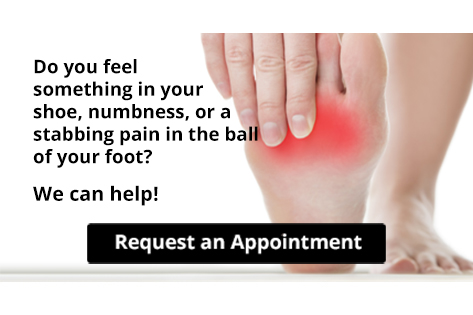
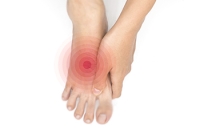
Suffering from this type of pain? You may have the foot condition known as Morton's neuroma. Morton's neuroma may develop as a result of ill-fitting footwear and existing foot deformities. We can help.
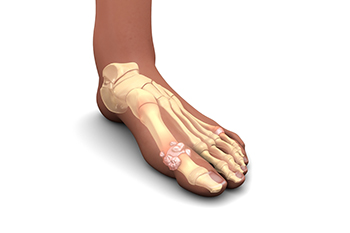 When uric acid builds up, usually in the big toe, it can form a type of arthritis that causes the joints to become stiff, hot and tender which is known as gout. High purine foods, such as meat and alcohol, usually lead to higher levels of uric acid in the body. When there is too much uric acid, it builds up into needle-like crystals that inflame the joints. Common methods of managing gout include staying properly hydrated as well as reducing the consumption of alcohol and meat. Another common method of managing uric acid buildup is to maintain a healthy body weight. Patients who frequently have gout attacks should consult with a podiatrist who can help provide tips on managing gout’s impact.
Gout is a painful condition that can be treated. If you are seeking treatment, contact Brent Harwood, DPM from Southeast Podiatry. Our doctor will treat your foot care needs.
What Is Gout?
Gout is a form of arthritis that is characterized by sudden, severe attacks of pain, redness, and tenderness in the joints. The condition usually affects the joint at the base of the big toe. A gout attack can occur at any random time, such as the middle of the night while you are asleep.
Symptoms
Risk Factors
Prior to visiting your podiatrist to receive treatment for gout, there are a few things you should do beforehand. If you have gout you should write down your symptoms--including when they started and how often you experience them, important medical information you may have, and any questions you may have. Writing down these three things will help your podiatrist in assessing your specific situation so that he or she may provide the best route of treatment for you.
If you have any questions, please feel free to contact one of our offices located in Fairhope, Brewton, and Atmore, AL . We offer the newest diagnostic and treatment technologies for all your foot care needs.
Read more about Gout
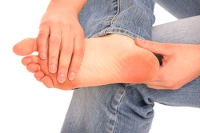
Do you suffer from heel pain when you get up in the morning? If so, you should seek the professional help of your podiatrist and have a proper diagnosis performed. Heel pain can be caused by several different foot-related conditions.
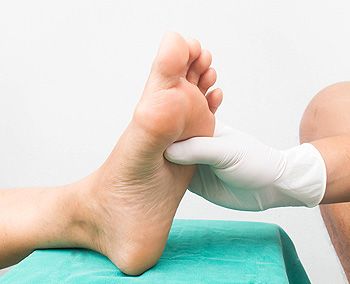 If your feet are numb, tingling, or sensitive to the touch, you may have peripheral neuropathy. The term “neuropathy” refers to nerve damage. This condition affects one to two percent of Americans and can significantly impact your lower limbs. In addition to the altered sensations mentioned above, people with neuropathy may also experience pain, cramping, muscle weakness, a loss of reflexes, and difficulty walking. Neuropathy is often associated with preexisting medical conditions, such as diabetes. If you have symptoms of nerve damage in your feet or ankles, it is strongly suggested that you are under the care of a podiatrist who can help you manage this condition and maintain the health of your lower limbs.
Neuropathy
Neuropathy can be a potentially serious condition, especially if it is left undiagnosed. If you have any concerns that you may be experiencing nerve loss in your feet, consult with Brent Harwood, DPM from Southeast Podiatry. Our doctor will assess your condition and provide you with quality foot and ankle treatment for neuropathy.
What Is Neuropathy?
Neuropathy is a condition that leads to damage to the nerves in the body. Peripheral neuropathy, or neuropathy that affects your peripheral nervous system, usually occurs in the feet. Neuropathy can be triggered by a number of different causes. Such causes include diabetes, infections, cancers, disorders, and toxic substances.
Symptoms of Neuropathy Include:
Those with diabetes are at serious risk due to being unable to feel an ulcer on their feet. Diabetics usually also suffer from poor blood circulation. This can lead to the wound not healing, infections occurring, and the limb may have to be amputated.
Treatment
To treat neuropathy in the foot, podiatrists will first diagnose the cause of the neuropathy. Figuring out the underlying cause of the neuropathy will allow the podiatrist to prescribe the best treatment, whether it be caused by diabetes, toxic substance exposure, infection, etc. If the nerve has not died, then it’s possible that sensation may be able to return to the foot.
Pain medication may be issued for pain. Electrical nerve stimulation can be used to stimulate nerves. If the neuropathy is caused from pressure on the nerves, then surgery may be necessary.
If you have any questions, please feel free to contact one of our offices located in Fairhope, Brewton, and Atmore, AL . We offer the newest diagnostic and treatment technologies for all your foot care needs.

You don't need an excuse to have beautiful nails. Step outside without worrying about the appearance of your feet.
 Seeing your child have difficulty walking can be alarming. If you’ve noticed your child limping, you should first ask them if they have recently injured their leg or foot or stood on something sharp. Inspect their feet for any blisters, cuts, or wounds. If your child reports an injury and can’t put weight on the affected leg, or if you see a wound, you should seek medical care. If there is no readily apparent cause for the limping, it may be due to an underlying medical condition. There are many health problems that could lead to limping, such as juvenile arthritis. To learn more about what to do if your child is limping, please consult with a podiatrist.
Making sure that your children maintain good foot health is very important as they grow. If you have any questions, contact Brent Harwood, DPM of Southeast Podiatry. Our doctor can provide the care you need to keep you pain-free and on your feet.
Keeping Children's Feet Healthy
Having healthy feet during childhood can help prevent medical problems later in life, namely in the back and legs. As children grow, their feet require different types of care. Here are some things to consider...
Although babies do not walk yet, it is still very important to take care of their feet.
Avoid putting tight shoes or socks on his or her feet.
Allow the baby to stretch and kick his or her feet to feel comfortable.
As a toddler, kids are now on the move and begin to develop differently. At this age, toddlers are getting a feel for walking, so don’t be alarmed if your toddler is unsteady or ‘walks funny’.
As your child gets older, it is important to teach them how to take care of their feet.
Show them proper hygiene to prevent infections such as fungus.
Be watchful for any pain or injury.
Have all injuries checked by a doctor as soon as possible.
Comfortable, protective shoes should always be worn, especially at play.
If you have any questions please feel free to contact one of our offices located in Fairhope, Brewton, and Atmore, AL . We offer the newest diagnostic and treatment technologies for all your foot care needs.
Read more about What to Do to Keep Your Child’s Feet Healthy
Have your child's feet been examined lately? Healthy feet are happy feet. If your child is complaining of foot pain, it may be a sign of underlying problems.
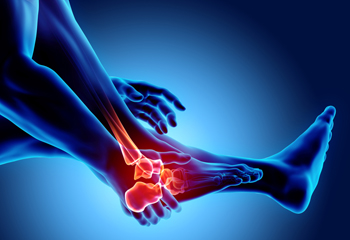 Rheumatoid arthritis (RA) is an autoimmune disease that causes the body’s immune system to attack otherwise healthy cells in the lining of the joints. The joints become inflamed, leading to pain, swelling, stiffness, redness, and warmth. RA frequently affects the small joints of the feet and the ankle joints. Many foot conditions are related to RA, including dislocated toe joints, hammertoes, bunions, heel pain, Achilles tendonitis, flat foot, and ankle pain. People with RA can also develop rheumatoid nodules, lumps on the feet that can cause pain while walking or when they rub against the shoes. If you have RA, a podiatrist can help you manage this condition and maintain the proper health of your feet.
Because RA affects more than just your joints, including the joints in your feet and ankles, it is important to seek early diagnosis from your podiatrist if you feel like the pain in your feet might be caused by RA. For more information, contact Brent Harwood, DPM of Southeast Podiatry. Our doctor will assist you with all of your podiatric concerns.
What Is Rheumatoid Arthritis?
Rheumatoid Arthritis (RA) is an autoimmune disorder in which the body’s own immune system attacks the membranes surrounding the joints. Inflammation of the lining and eventually the destruction of the joint’s cartilage and bone occur, causing severe pain and immobility.
Rheumatoid Arthritis of the Feet
Although RA usually attacks multiple bones and joints throughout the entire body, almost 90 percent of cases result in pain in the foot or ankle area.
Symptoms
Diagnosis
Quick diagnosis of RA in the feet is important so that the podiatrist can treat the area effectively. Your doctor will ask you about your medical history, occupation, and lifestyle to determine the origin of the condition. Rheumatoid Factor tests help to determine if someone is affected by the disease.
If you have any questions please feel free to contact one of our offices located in Fairhope, Brewton, and Atmore, AL . We offer the newest diagnostic and treatment technologies for all your foot and ankle needs.

Your feet are covered most of the day. If you're diabetic, periodic screening is important for good health. Numbness is often a sign of diabetic foot and can mask a sore or wound.
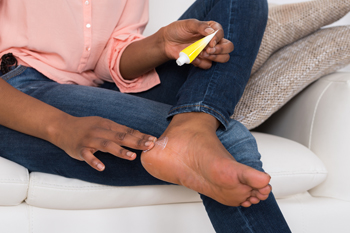 Cracked heels are not only unattractive, but they can be uncomfortable and painful as well. If cracks are allowed to deepen, they may even bleed or become infected. Cracked heels can worsen in the summertime due to dehydration, so make sure you drink plenty of water. You can try to soften your cracked heels overnight by applying petroleum jelly or a thick cream at bedtime and sleep with socks on which will help lock moisture in. Because air, dirt, and other pollutants can dry out and roughen skin, limit wearing open-backed shoes and do not walk barefoot. Some believe that soaking your feet in paraffin wax—a natural emollient—can help loosen skin and remove dead skin cells to help soften heels. For professional tips on prevention, or to get treatment for deep, bleeding, or painful cracked heels, make an appointment with a podiatrist.
If the skin on your feet starts to crack, you may want to see a podiatrist to find treatment. If you have any concerns, contact Brent Harwood, DPM from Southeast Podiatry. Our doctor can provide the care you need to keep you pain-free and on your feet.
Cracked Heels
It is important to moisturize your cracked heels in order to prevent pain, bleeding, and infection. The reason cracked heels form is because the skin on the foot is too dry to support the immense pressure placed on them. When the foot expands, the dry skin on the foot begins to split.
Ways to Help Heal Them
Ways to Prevent Cracked Heels
If you are unsure how to proceed in treating cracked heels, seek guidance from a podiatrist. Your doctor will help you with any questions or information you may need.
If you have any questions, please feel free to contact one of our offices located in Fairhope, Brewton, and Atmore, AL . We offer the newest diagnostic and treatment technologies for all your foot care needs.
Read more about Solutions for Cracked Heels
Custom orthotics, or shoe inserts, should be periodically replaced. Orthotics must fit properly to give you the best results. Protect your feet and ankles!