Fairhope and Atmore
Phone (251) 928-6768




Plantar warts are small growths that develop on parts of the feet that bear weight. They're typically found on the bottom of the foot. Don't live with plantar warts, and call us today!
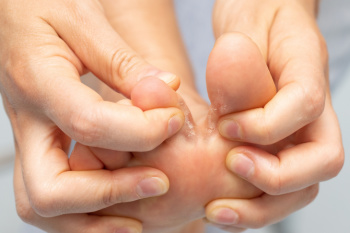
Athlete’s foot is a common skin infection that affects the feet and is caused by a fungus known as a dermatophyte. This fungus thrives in warm, moist environments such as locker rooms, shoes, and public showers. Athlete’s foot spreads through direct contact or contact with contaminated surfaces. Common symptoms include itching, redness, burning, and painful skin, especially between the toes or on the soles of the feet. The skin may crack, peel, or become irritated, making walking uncomfortable. A podiatrist can help by accurately diagnosing the condition and recommending appropriate antifungal treatments. Care may also include guidance on foot hygiene, footwear choices and moisture control to prevent recurrence. If you are experiencing persistent itching, redness, or foot discomfort, do not ignore the symptoms. It is suggested that you consult a podiatrist who can offer effective treatment solutions.
Athlete’s foot is an inconvenient condition that can be easily reduced with the proper treatment. If you have any concerns about your feet and ankles, contact Brent Harwood, DPM from Southeast Podiatry. Our doctor will treat your foot and ankle needs.
Athlete’s Foot: The Sole Story
Athlete's foot, also known as tinea pedis, can be an extremely contagious foot infection. It is commonly contracted in public changing areas and bathrooms, dormitory style living quarters, around locker rooms and public swimming pools, or anywhere your feet often come into contact with other people.
Solutions to Combat Athlete’s Foot
Athlete’s foot can cause many irritating symptoms such as dry and flaking skin, itching, and redness. Some more severe symptoms can include bleeding and cracked skin, intense itching and burning, and even pain when walking. In the worst cases, Athlete’s foot can cause blistering as well. Speak to your podiatrist for a better understanding of the different causes of Athlete’s foot, as well as help in determining which treatment options are best for you.
If you have any questions please feel free to contact one of our offices located in Fairhope and Atmore, AL . We offer the newest diagnostic and treatment technologies for all your foot and ankle needs.
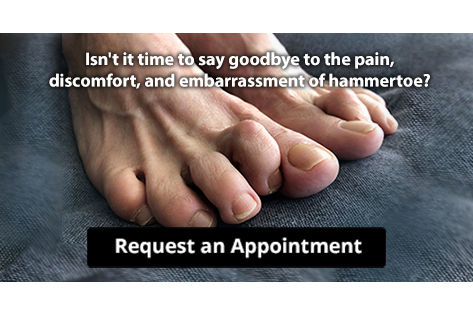
Painful deformities, such as hammertoes, can be treated. Stop living with foot pain, and have beautiful feet again!
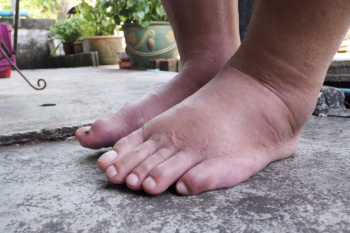
Swollen feet, also known as edema, occur when fluid accumulates in the tissues, causing puffiness and discomfort. Common causes include prolonged standing or sitting, high-sodium foods, processed meals, and certain medical conditions such as heart, kidney, or liver disease. Foods that contribute to water retention, including salty snacks, canned soups, and processed meats, can exacerbate swelling. Other factors such as pregnancy, medications, or circulation issues may also play a role. A podiatrist can evaluate the underlying cause, recommend lifestyle adjustments, provide supportive footwear or compression therapy, and create a plan to reduce swelling while protecting foot health. If your feet have become swollen and are uncomfortable, it is suggested that you consult a podiatrist who can help you manage this condition.
Swollen feet can be a sign of an underlying condition. If you have any concerns, contact Brent Harwood, DPM of Southeast Podiatry. Our doctor can provide the care you need to keep you pain-free and on your feet.
Swollen feet are a common ailment among pregnant women and people who stand or sit for extended periods. Aging may increase the possibility of swollen feet and patients who are obese often notice when their feet are swelling too. There may be medical reasons why swollen feet occur:
Swollen feet can also be caused by bone and tendon conditions, including fractures, arthritis, and tendinitis. Additionally, there may be skin and toenail conditions and an infection may cause the feet to swell. Patients who take medicine to treat high blood pressure may be prone to getting swollen feet.
Many patients elevate their feet to help relieve the swelling and this is generally a temporary remedy. When a podiatrist is consulted the reason behind the swelling can be uncovered and subsequently treated.
If you have any questions please contact one of our offices located in Fairhope and Atmore, AL . We offer the newest diagnostic and treatment technologies for all your foot and ankle needs.

Neuropathy is a condition that can lead to numbness or loss of sensation in the feet, but it can also cause pain. This condition is more likely to develop for those who are diabetic, obese, or with high blood pressure.
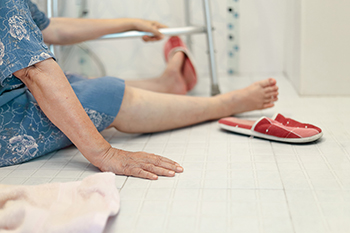
Falls at home are a common cause of injury, especially for older adults and individuals with balance concerns. Improving lighting throughout living spaces helps reduce shadows and makes obstacles easier to see. Removing trip hazards like loose rugs, cords, and clutter can significantly lower fall risk. Additionally, placing frequently used items within easy reach reduces the need for stretching or bending, while avoiding ladders limits the chance of losing balance. Wearing proper footwear and walking on stable surfaces also play an important role in safety. A podiatrist can help by evaluating foot health, balance, and gait, as well as recommending supportive shoes or custom orthotics to improve stability. If you have foot pain from falling, it is suggested that you consult a podiatrist who can treat various foot conditions, and can guide you on additional falls prevention tips.
Preventing falls among the elderly is very important. If you are older and have fallen or fear that you are prone to falling, consult with Brent Harwood, DPM from Southeast Podiatry. Our doctor will assess your condition and provide you with quality advice and care.
Every 11 seconds, an elderly American is being treated in an emergency room for a fall related injury. Falls are the leading cause of head and hip injuries for those 65 and older. Due to decreases in strength, balance, senses, and lack of awareness, elderly persons are very susceptible to falling. Thankfully, there are a number of things older persons can do to prevent falls.
How to Prevent Falls
Some effective methods that older persons can do to prevent falls include:
Falling can be a traumatic and embarrassing experience for elderly persons; this can make them less willing to leave the house, and less willing to talk to someone about their fears of falling. Doing such things, however, will increase the likelihood of tripping or losing one’s balance. Knowing the causes of falling and how to prevent them is the best way to mitigate the risk of serious injury.
If you have any questions, please feel free to contact one of our offices located in Fairhope and Atmore, AL . We offer the newest diagnostic and treatment technologies for all your foot care needs.

Do you work on your feet all day and find your feet in pain? Don't go to work in pain each day. Your foot pain can be treated, and we can help.
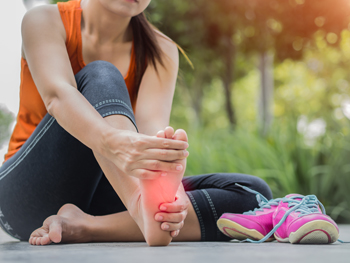
Foot pain is common in runners and can affect performance and daily comfort. Frequent causes include plantar fasciitis, which creates sharp heel pain from irritation of the plantar fascia, and metatarsalgia, a condition that leads to aching or burning in the ball of the foot. Injury stress fractures may also develop from repetitive impact and overuse. Simple stretches, such as the seated towel stretch, can help improve flexibility in the arch and calf, reducing strain during runs. A podiatrist can identify the source of pain, recommend supportive footwear, provide custom orthotics, and guide treatments that promote healthy movement. If foot pain is interrupting your training, it is suggested that you consult a podiatrist who can restore comfort and prevent further injury with effective treatment solutions.
All runners should take extra precaution when trying to avoid injury. If you have any concerns about your feet, contact Brent Harwood, DPM of Southeast Podiatry. Our doctor will treat your foot and ankle needs.
How to Prevent Running Injuries
There are a lot of mistakes a runner can make prior to a workout that can induce injury. A lot of athletes tend to overstretch before running, instead of saving those workouts for a post-run routine. Deep lunges and hand-to-toe hamstring pulls should be performed after a workout instead of during a warmup. Another common mistake is jumping into an intense routine before your body is physically prepared for it. You should try to ease your way into long-distance running instead of forcing yourself to rush into it.
More Tips for Preventing Injury
If you have any questions, please feel free to contact one of our offices located in Fairhope and Atmore, AL . We offer the newest diagnostic and treatment technologies for all your foot care needs.

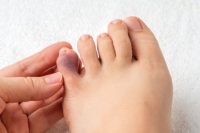
Ingrown toenails can be painful and can make wearing shoes or walking uncomfortable. Seek professional help if you believe you've developed an ingrown toenail and be treated safely.
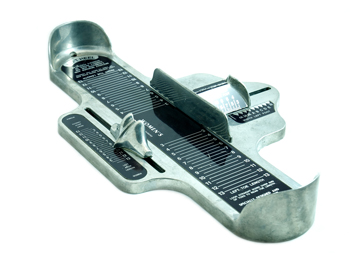
A well-fitting shoe supports the foot without creating pressure points or leaving too much room for the foot to slide. The toes should have enough space to move comfortably, with about a thumb’s width between the longest toe and the front of the shoe. The heel should sit securely without slipping, and the sides of the shoe should feel snug, but not tight. A supportive arch and a stable sole help maintain proper alignment during walking. Trying on shoes later in the day, when the feet are slightly larger, gives a more accurate sense of fit. Paying attention to comfort from the first step is important because shoes that feel uncomfortable at the start rarely improve with wear. If you experience rubbing, pressure, or discomfort in new shoes, it is suggested that you schedule an appointment with a podiatrist for footwear advice.
It is important to find shoes that fit you properly in order to avoid a variety of different foot problems. For more information about treatment, contact Brent Harwood, DPM from Southeast Podiatry. Our doctor will treat your foot and ankle needs.
Proper Shoe Fitting
Shoes have many different functions. They cushion our body weight, protect our feet, and allow us to safely play sports. You should always make sure that the shoes you wear fit you properly in order to avoid injuries and deformities such as: bunions, corns, calluses, hammertoes, plantar fasciitis, stress fractures, and more. It is important to note that although a certain pair of shoes might be a great fit for someone else, that doesn’t mean they will be a great fit for you. This is why you should always try on shoes before buying them to make sure they are worth the investment. Typically, shoes need to be replaced ever six months to one year of regular use.
Tips for Proper Shoe Fitting
The shoes you buy should always feel as good as they look. Shoes that fit properly will last longer, feel better, and improve your way of life each day.
If you have any questions please contact one of our offices located in Fairhope and Atmore, AL . We offer the newest diagnostic and treatment technologies for all your foot and ankle needs.

Heel pain can negatively affect your day-to-day life. Simple activities like walking can become incredibly uncomfortable or painful due to heel pain.
Don’t live with heel pain and get treated.
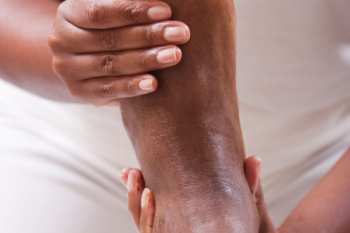
Reliable mobility depends on feet that feel supported, flexible, and free of irritation. Caring for the skin, monitoring nail health, and selecting footwear that matches your activity level all play a role in keeping each step steady. Light stretching for the toes, heels, and ankles can enhance flexibility, while addressing small concerns early prevents soreness that may interrupt daily routines. Conditions such as calluses, cracked skin, fungal infections, and numbness can gradually make walking less comfortable if they are ignored. Many adults also benefit from routine foot evaluations, which help identify changes that may interfere with balance or endurance. When the feet stay comfortable, staying active becomes far easier. If you notice persistent discomfort or difficulty with walking, it is suggested that you schedule an appointment with a podiatrist for personalized care.
Everyday foot care is very important to prevent infection and other foot ailments. If you need your feet checked, contact Brent Harwood, DPM from Southeast Podiatry. Our doctor can provide the care you need to keep you pain-free and on your feet.
Everyday Foot Care
Often, people take care of their bodies, face and hair more so than they do for their feet. But the feet are a very important aspect of our bodies, and one that we should pay more attention to. Without our feet, we would not be able to perform most daily tasks.
It is best to check your feet regularly to make sure there are no new bruises or cuts that you may not have noticed before. For dry feet, moisturizer can easily be a remedy and can be applied as often as necessary to the affected areas. Wearing shoes that fit well can also help you maintain good foot health, as well as making it easier to walk and do daily activities without the stress or pain of ill-fitting shoes, high heels, or even flip flops. Wearing clean socks with closed shoes is important to ensure that sweat and bacteria do not accumulate within the shoe. Clean socks help to prevent Athlete’s foot, fungi problems, bad odors, and can absorb sweat.
If you have any questions, please feel free to contact one of our offices located in Fairhope and Atmore, AL . We offer the newest diagnostic and treatment technologies for all your foot care needs.

Do you suffer from heel pain when you get up in the morning? If so, you should seek professional help and have a proper diagnosis performed. Heel pain can be caused by several different foot-related conditions.
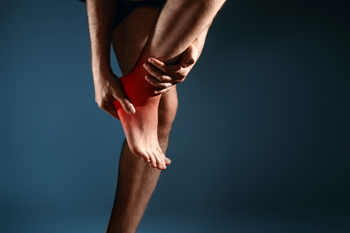
Heel pain can result from several causes, including plantar fasciitis, fractures, or tendonitis. Plantar fasciitis occurs when the thick band of tissue that connects the heel to the toes becomes inflamed, often due to overuse, improper footwear, or high impact activities. Heel fractures can result from trauma or stress and may cause swelling, bruising, or difficulty walking. Tendonitis involves inflammation of the tendons around the heel, often from repetitive strain or sudden increases in activity. Heel pain may look subtle from the outside but can feel sharp, stabbing, or aching, especially with the first steps in the morning or after prolonged activity. A podiatrist can diagnose the cause through physical examination, imaging if needed, and gait analysis. Treatment may include stretching, orthotics, supportive footwear, anti-inflammatory therapies, or targeted interventions for fractures. Early evaluation supports faster healing and prevents chronic pain. If you experience persistent heel discomfort, it is suggested that you make an appointment with a podiatrist.
Many people suffer from bouts of heel pain. For more information, contact Brent Harwood, DPM of Southeast Podiatry. Our doctor can provide the care you need to keep you pain-free and on your feet.
Causes of Heel Pain
Heel pain is often associated with plantar fasciitis. The plantar fascia is a band of tissues that extends along the bottom of the foot. A rip or tear in this ligament can cause inflammation of the tissue.
Achilles tendonitis is another cause of heel pain. Inflammation of the Achilles tendon will cause pain from fractures and muscle tearing. Lack of flexibility is also another symptom.
Heel spurs are another cause of pain. When the tissues of the plantar fascia undergo a great deal of stress, it can lead to ligament separation from the heel bone, causing heel spurs.
Why Might Heel Pain Occur?
Treatments
Heel pain should be treated as soon as possible for immediate results. Keeping your feet in a stress-free environment will help. If you suffer from Achilles tendonitis or plantar fasciitis, applying ice will reduce the swelling. Stretching before an exercise like running will help the muscles. Using all these tips will help make heel pain a condition of the past.
If you have any questions, please feel free to contact one of our offices located in Fairhope and Atmore, AL . We offer the newest diagnostic and treatment technologies for all your foot care needs.