Fairhope and Atmore
Phone (251) 928-6768



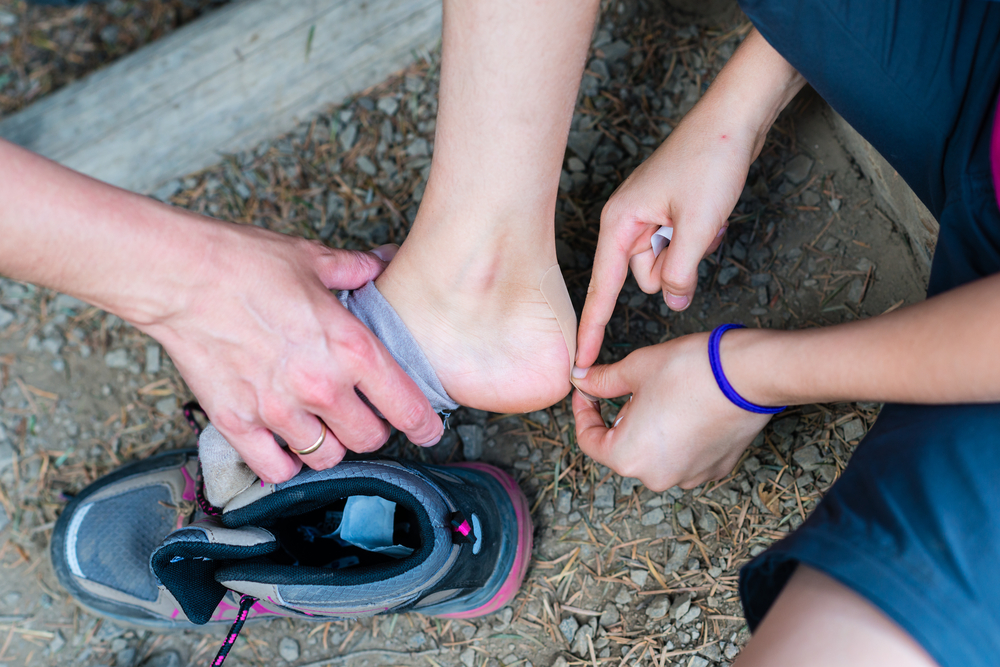 Blisters can be an unsightly and potentially uncomfortable affliction on the foot. Essentially, blisters are areas on the feet that have excess liquid in between layers of skin. There are many different causes of blisters that you might notice on your feet. Commonly, blisters can form on areas of the feet, particularly the toes, when an individual wears a new, ill-fitting pair of shoes. The friction produced by a tight pair of shoes can consequently create a blister. Another common cause of blisters on the feet is overexposure to the sun. When an individual gets a sunburn on their feet and lower legs, blisters that are small and white can appear causing pain and an itching sensation. Blisters may also be the result of excessive moisture around the feet. Specifically, when the feet sweat too much, the excessive sweat can ultimately clog the pores of the feet creating blisters. Knowing the specific cause of the blisters on your feet can help determine the correct treatment. If you have blisters on your feet, contact a podiatrist who can help you address the problem.
Blisters are prone to making everyday activities extremely uncomfortable. If your feet are hurting, contact Brent Harwood, DPM from Southeast Podiatry. Our doctor can provide the care you need to keep you pain-free and on your feet.
Foot Blisters
Foot blisters develop as a result of constantly wearing tight or ill-fitting footwear. This happens due to the constant rubbing from the shoe, which can often lead to pain.
What Are Foot Blisters?
A foot blister is a small fluid-filled pocket that forms on the upper-most layer of the skin. Blisters are filled with clear fluid and can lead to blood drainage or pus if the area becomes infected.
How Do Blisters Form?
Blisters on the feet are often the result of constant friction of skin and material, usually by shoe rubbing. Walking in sandals, boots, or shoes that don’t fit properly for long periods of time can result in a blister. Having consistent foot moisture and humidity can easily lead to blister formation.
Prevention & Treatment
It is important to properly care for the affected area in order to prevent infection and ease the pain. Do not lance the blister and use a Band-Aid to provide pain relief. Also, be sure to keep your feet dry and wear proper fitting shoes. If you see blood or pus in a blister, seek assistance from a podiatrist.
If you have any questions please feel free to contact our offices located in Fairhope, Brewton, and Atmore, AL. We offer the newest diagnostic and treatment technologies for all your podiatric needs.

Plantar warts are small growths that develop on parts of the feet that bear weight. They're typically found on the bottom of the foot. Don't live with plantar warts, and call us today!
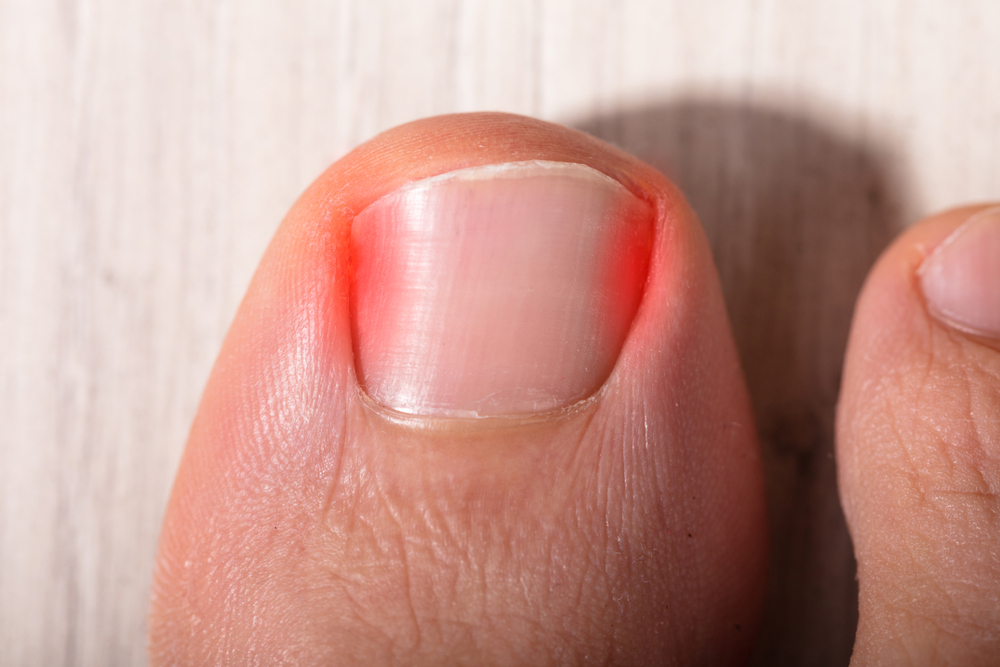 When the outer edge of the toenail pushes into the skin, it is referred to as an ingrown toenail. Ingrown toenails are generally painful, red, and swollen, and it can be difficult to walk. In severe cases, pus may ooze from the area and will need prompt medical attention. An ingrown toenail can happen as a result of wearing shoes and socks that are too small or from trimming the toenails incorrectly. When the toenails are trimmed in a straight line the likelihood of getting an ingrown toenail may be decreased. Diabetic patients may benefit from maintaining proper foot health and this can help to prevent ingrown toenails from developing. Mild relief may be found when the foot is soaked in warm water followed by gently pulling the skin away from the toe using a piece of cotton. This is generally a temporary fix and it is advised to contact a podiatrist who can perform surgery for permanent relief.
Ingrown toenails may initially present themselves as a minor discomfort, but they may progress into an infection in the skin without proper treatment. For more information about ingrown toenails, contact Brent Harwood, DPM from Southeast Podiatry. Our doctor can provide the care you need to keep you pain-free and on your feet.
Ingrown Toenails
Ingrown toenails are caused when the corner or side of a toenail grows into the soft flesh surrounding it. They often result in redness, swelling, pain, and in some cases, infection. This condition typically affects the big toe and may recur if it is not treated properly.
Causes
You are more likely to develop an ingrown toenail if you are obese, have diabetes, arthritis, or have any fungal infection in your nails. Additionally, people who have foot or toe deformities are at a higher risk of developing an ingrown toenail.
Symptoms
Some symptoms of ingrown toenails are redness, swelling, and pain. In rare cases, there may be a yellowish drainage coming from the nail.
Treatment
Ignoring an ingrown toenail can have serious complications. Infections of the nail border can progress to a deeper soft-tissue infection, which can then turn into a bone infection. You should always speak with your podiatrist if you suspect you have an ingrown toenail, especially if you have diabetes or poor circulation.
If you have any questions please feel free to contact our offices located in Fairhope, Brewton, and Atmore, AL. We offer the newest diagnostic and treatment technologies for all your podiatric needs.

Painful deformities, such as hammertoes, can be treated. Stop living with foot pain, and have beautiful feet again!
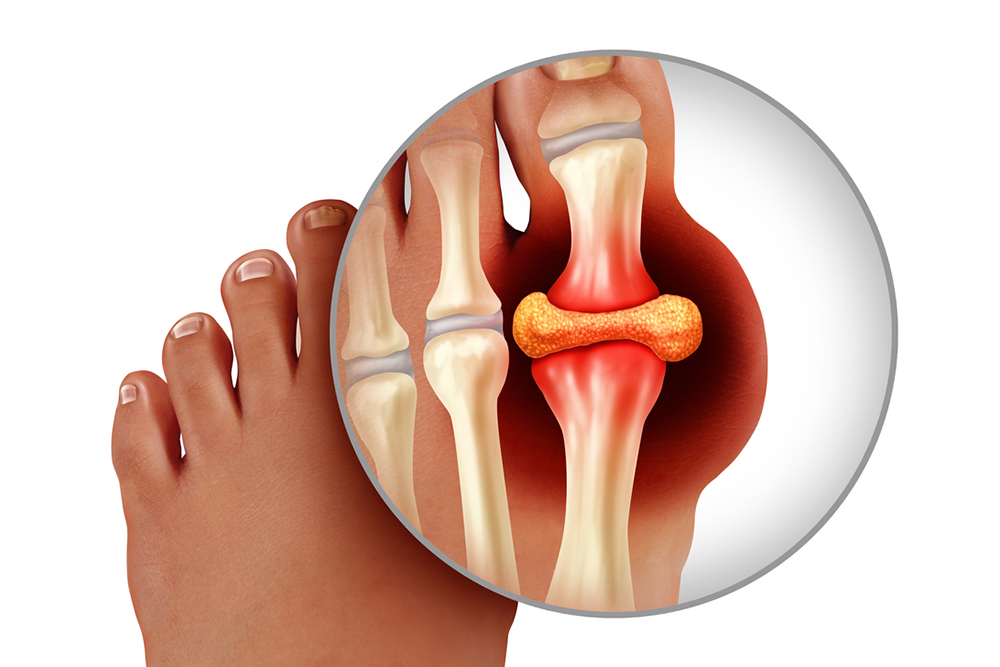 Gout is a form of arthritis and it can create debilitating pain. It affects the joints in the big toe and it is caused by excess uric acid in the blood. This converts to crystals and lodges in the toe joints. There are specific foods that have high levels of purines in them that can lead to gout, consisting of red meat, shellfish, alcohol, and drinks that are made with large levels of sugar. The pain can last for several minutes or hours and is referred to as gout attacks. To obtain a proper diagnosis, a podiatrist may take a sample of the fluid in the joints to determine how to manage long-term gout. There are effective prevention techniques that may eliminate painful gout attacks. These include eating healthy foods daily, reducing alcohol intake, and incorporating a gentle exercise routine. If you would like additional information about how to manage gout and methods that may prevent it, please consult with a podiatrist.
Gout is a painful condition that can be treated. If you are seeking treatment, contact Brent Harwood, DPM from Southeast Podiatry. Our doctor will treat your podiatric needs.
What Is Gout?
Gout is a form of arthritis that is characterized by sudden, severe attacks of pain, redness, and tenderness in the joints. The condition usually affects the joint at the base of the big toe. A gout attack can occur at any random time, such as the middle of the night while you are asleep.
Symptoms
Risk Factors
Prior to visiting your podiatrist to receive treatment for gout, there are a few things you should do beforehand. If you have gout you should write down your symptoms--including when they started and how often you experience them, important medical information you may have, and any questions you may have. Writing down these three things will help your podiatrist in assessing your specific situation so that he or she may provide the best route of treatment for you.
If you have any questions please feel free to contact our offices located in Fairhope, Brewton, and Atmore, AL. We offer the newest diagnostic and treatment technologies for all your podiatric needs.

Neuropathy is a condition that can lead to numbness or loss of sensation in the feet, but it can also cause pain. This condition is more likely to develop for those who are diabetic, obese, or with high blood pressure.
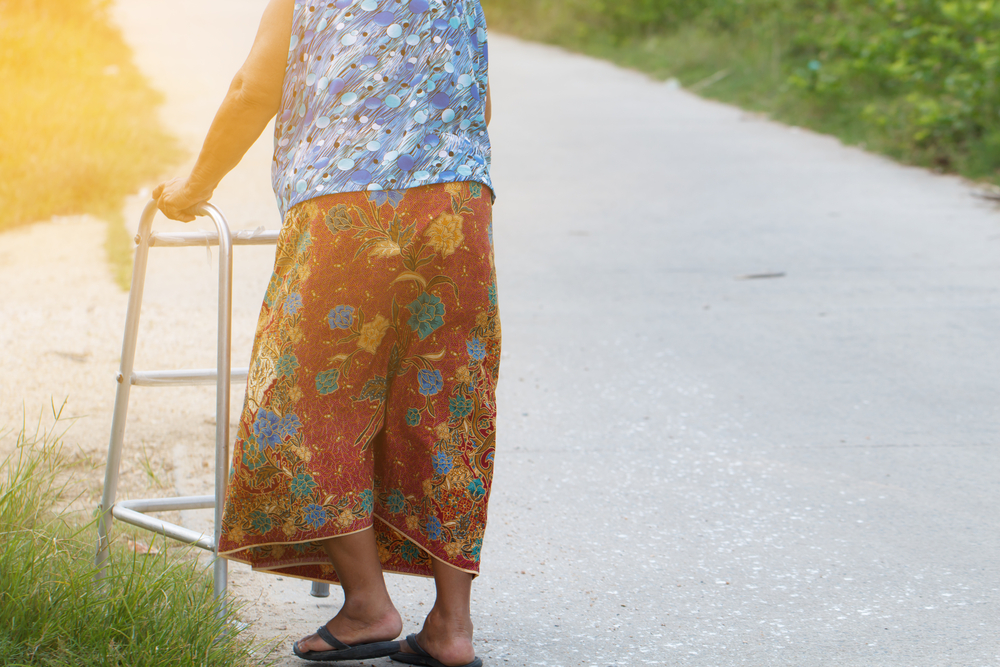 Research has indicated that approximately one in three adults fall at least once per year. This can lead to serious foot injuries that can hinder completing daily activities. There are simple methods that can be implemented that may help to reduce falling episodes. When the lighting is improved in the household, it will become easier to see steps and obstacles that may be easy to trip over. Additionally, removing frayed rugs can reduce the number of falls incurred, and it is important to hold on to handrails while going up and down the steps. Many patients find it helpful to install grab bars in the shower and toilet area, and using a non-skid bathmat can provide stability in the shower. When a walker or cane is used, the sense of balance is often increased, and it is beneficial to keep a phone within reach in case a mishap occurs. It is helpful to have routine physical and eye exams performed, and this is needed to monitor existing medication and eyeglasses. If you would like more information about how falling can affect the feet, and effective fall prevention methods, please consult with a podiatrist.
Preventing falls among the elderly is very important. If you are older and have fallen or fear that you are prone to falling, consult with Brent Harwood, DPM from Southeast Podiatry. Our doctor will assess your condition and provide you with quality advice and care.
Every 11 seconds, an elderly American is being treated in an emergency room for a fall related injury. Falls are the leading cause of head and hip injuries for those 65 and older. Due to decreases in strength, balance, senses, and lack of awareness, elderly persons are very susceptible to falling. Thankfully, there are a number of things older persons can do to prevent falls.
How to Prevent Falls
Some effective methods that older persons can do to prevent falls include:
Falling can be a traumatic and embarrassing experience for elderly persons; this can make them less willing to leave the house, and less willing to talk to someone about their fears of falling. Doing such things, however, will increase the likelihood of tripping or losing one’s balance. Knowing the causes of falling and how to prevent them is the best way to mitigate the risk of serious injury.
If you have any questions please feel free to contact our offices located in Fairhope, Brewton, and Atmore, AL. We offer the newest diagnostic and treatment technologies for all your podiatric needs.

Do you work on your feet all day and find your feet in pain? Don't go to work in pain each day. Your foot pain can be treated, and we can help.
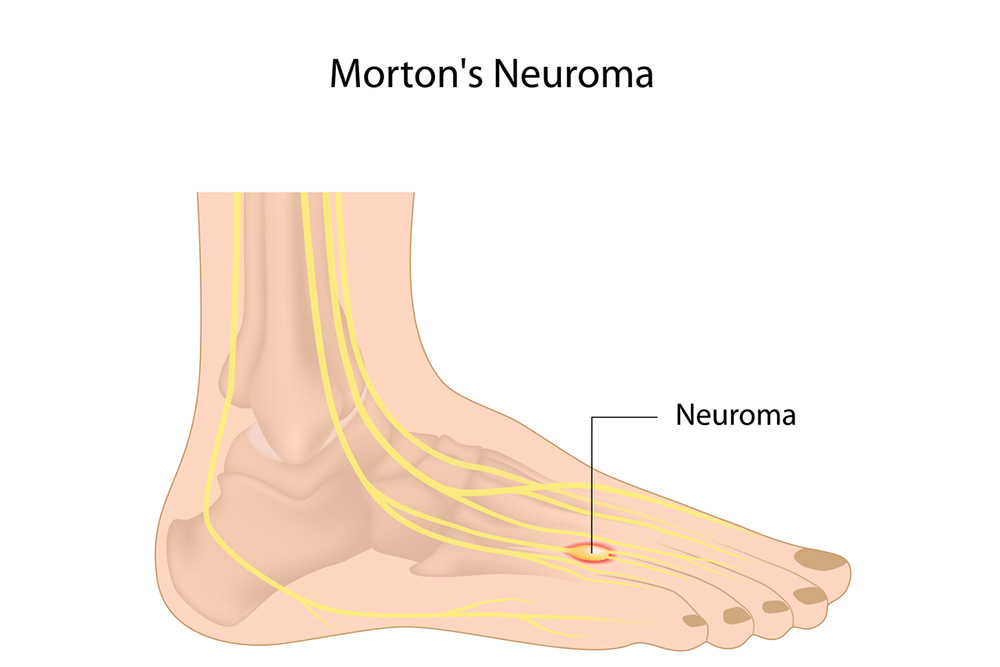 Just about anyone can develop Morton’s Neuroma, a foot ailment that can be particularly painful and troublesome. However, some individuals may be at an increased risk of developing this condition, so it is important to discern your own level of risk. Morton’s neuroma primarily affects plantar digital nerves that run between the metatarsal bones of the foot. In most cases, Morton’s neuroma targets the nerve between the third and fourth metatarsal bones, resulting in pain. Although the exact cause of Morton’s neuroma is somewhat elusive and largely case-dependent, it is most likely caused by either extended straining and compression of the plantar digital nerves or inflamed joints surrounding these nerves. Certain individuals can be more susceptible to Morton’s neuroma than others. For example, approximately 75% of those who suffer from this condition are women. This is most likely due to the fact that women wear shoes such as high heels that compress the toes, putting the plantar digital nerves at risk. Additionally, ballet dancers who wear similarly restrictive footwear are at an increased risk of developing Morton’s neuroma. Individuals between the ages of 40 and 50 are typically at the highest risk of developing this condition. If you believe you may have Morton’s neuroma or are in one of these high-risk categories, you might consider contacting a podiatrist.
Morton’s neuroma is a very uncomfortable condition to live with. If you think you have Morton’s neuroma, contact Brent Harwood, DPM from Southeast Podiatry. Our doctor will attend to all of your foot care needs and answer any of your related questions.
Morton’s Neuroma
Morton's neuroma is a painful foot condition that commonly affects the areas between the second and third or third and fourth toe, although other areas of the foot are also susceptible. Morton’s neuroma is caused by an inflamed nerve in the foot that is being squeezed and aggravated by surrounding bones.
What Increases the Chances of Having Morton’s Neuroma?
Morton’s neuroma is a very treatable condition. Orthotics and shoe inserts can often be used to alleviate the pain on the forefront of the feet. In more severe cases, corticosteroids can also be prescribed. In order to figure out the best treatment for your neuroma, it’s recommended to seek the care of a podiatrist who can diagnose your condition and provide different treatment options.
If you have any questions please feel free to contact our offices located in Fairhope, Brewton, and Atmore, AL. We offer the newest diagnostic and treatment technologies for all your podiatric needs.

Ingrown toenails can be painful and can make wearing shoes or walking uncomfortable. Seek professional help if you believe you've developed an ingrown toenail and be treated safely.
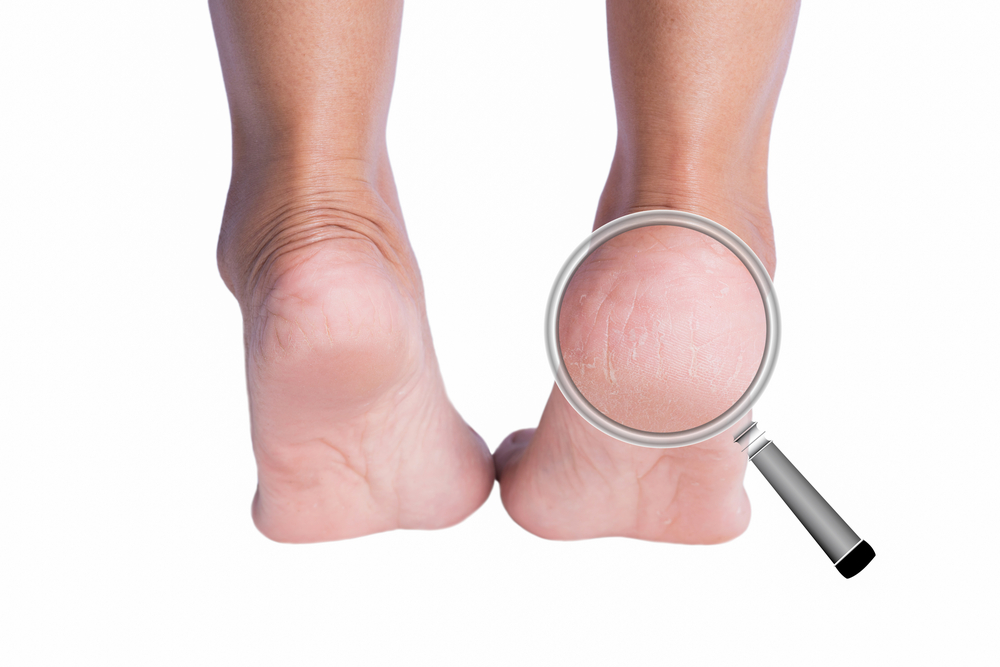 Approximately 20% of all adults in the United States will experience heel fissures, or “cracked heels,” at least once during their lifetime. Cracked heels typically occur when the skin surrounding one’s heel becomes noticeably tough, dry, and thick. The dried skin around the heel can eventually crack, creating fissures. The risk of developing cracked heels is markedly higher during the winter season when the colder weather typically makes the skin drier. If you are experiencing cracked heels, you may be able to make use of several at-home remedies. For example, you may soak your feet in water for approximately 20 minutes and use a pumice stone to gently remove the hardened skin cells. Afterwards, you may apply a heavy-duty moisturizer to the back of your heel. Typically, moisturizers containing ingredients such as petroleum jelly or glycerin can effectively nourish the skin. To address cracked heels, you might also use alpha-hydroxy acids or urea to target hardened skin cells and effectively remove them from your heels. If at-home remedies like these fail to mitigate cracked heels, this could be a sign to consult a podiatrist. Ultimately, cracked heels can be an unsightly annoyance, but you and your podiatrist can take steps to address the affliction.
If the skin on your feet starts to crack, you may want to see a podiatrist to find treatment. If you have any concerns, contact Brent Harwood, DPM from Southeast Podiatry. Our doctor can provide the care you need to keep you pain-free and on your feet.
Cracked Heels
It is important to moisturize your cracked heels in order to prevent pain, bleeding, and infection. The reason cracked heels form is because the skin on the foot is too dry to support the immense pressure placed on them. When the foot expands, the dry skin on the foot begins to split.
Ways to Help Heal Them
Ways to Prevent Cracked Heels
If you are unsure how to proceed in treating cracked heels, seek guidance from a podiatrist. Your doctor will help you with any questions or information you may need.
If you have any questions please feel free to contact our offices located in Fairhope, Brewton, and Atmore, AL. We offer the newest diagnostic and treatment technologies for all your podiatric needs.

Heel pain can negatively affect your day-to-day life. Simple activities like walking can become incredibly uncomfortable or painful due to heel pain.
Don’t live with heel pain and get treated.
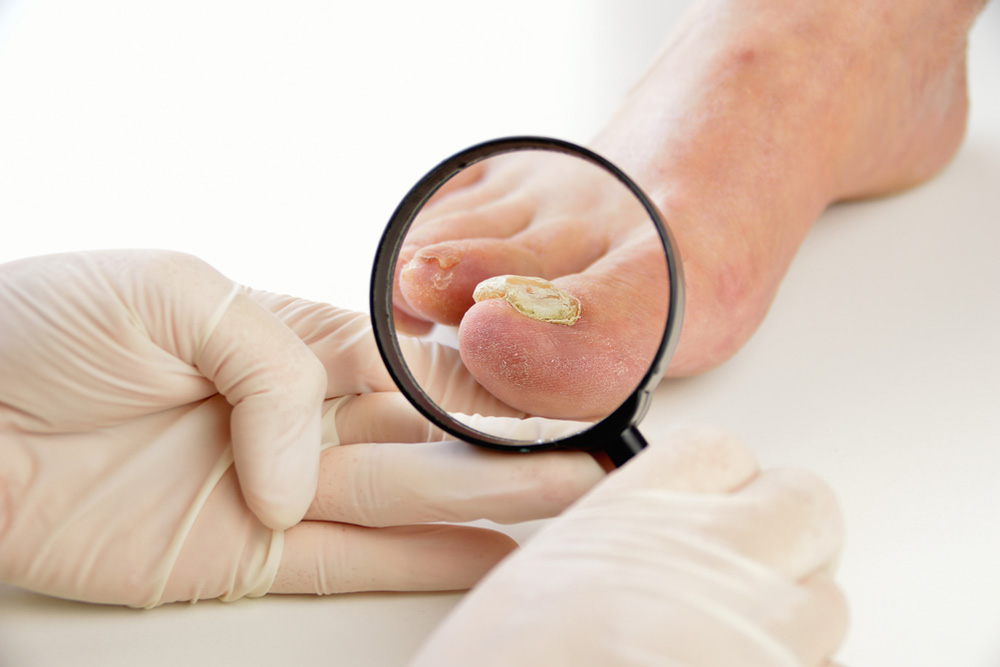 Toenail fungus is a noticeable foot condition. A toenail that is dark and thick can be caused by a fungus that is known as dermatophytes. The nail can change shape, and the color may differ as a result of the area which is affected underneath the nail. Many times, the nail on the big toe is the first to start developing toenail fungus, and in severe cases, it may travel to other nails. There may be existing medical conditions that can lead to toenail fungus. These can include diabetes, problems with circulation, or a weakened immune system. If this condition is not treated promptly, the nails may begin to crumble, and the fungus may grow under the nail, and possibly ooze. Effective treatment may take months to completely heal the fungus, and it is important to stay consistent with applying creams, and taking medication. A podiatrist can properly diagnose and treat this condition, and it is suggested that you schedule an appointment as soon as possible so the proper treatment can begin.
If left untreated, toenail fungus may spread to other toenails, skin, or even fingernails. If you suspect you have toenail fungus it is important to seek treatment right away. For more information about treatment, contact Brent Harwood, DPM from Southeast Podiatry. Our doctor can provide the care you need to keep you pain-free and on your feet.
Symptoms
Treatment
If self-care strategies and over-the-counter medications does not help your fungus, your podiatrist may give you a prescription drug instead. Even if you find relief from your toenail fungus symptoms, you may experience a repeat infection in the future.
Prevention
In order to prevent getting toenail fungus in the future, you should always make sure to wash your feet with soap and water. After washing, it is important to dry your feet thoroughly especially in between the toes. When trimming your toenails, be sure to trim straight across instead of in a rounded shape. It is crucial not to cover up discolored nails with nail polish because that will prevent your nail from being able to “breathe”.
In some cases, surgical procedure may be needed to remove the toenail fungus. Consult with your podiatrist about the best treatment options for your case of toenail fungus.
If you have any questions please feel free to contact our offices located in Fairhope, Brewton, and Atmore, AL. We offer the newest diagnostic and treatment technologies for all your podiatric needs.

Do you suffer from heel pain when you get up in the morning? If so, you should seek the professional help of your podiatrist and have a proper diagnosis performed. Heel pain can be caused by several different foot-related conditions.