Fairhope and Atmore
Phone (251) 928-6768



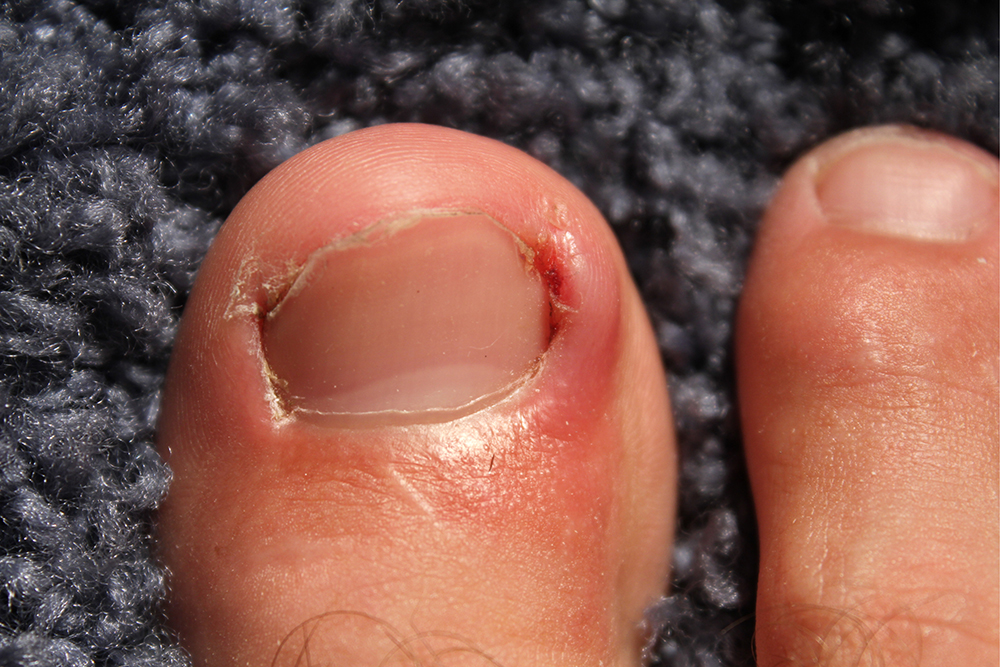 There is no mistaking when an ingrown toenail develops. It is often noticed when the nail grows into the skin instead of over it. If prompt medical attention is not received, it may ooze a discharge, and become infected. An ingrown toenail can happen for various reasons. Trimming the toenails incorrectly is a common reason, in addition to wearing shoes that are too tight. Older people may frequently get ingrown toenails, possibly as a result of having poor eyesight, or not being able to reach their toes. Some people find mild relief when they soak their feet in warm water, followed by gently pulling the skin away from the nail. This is a temporary solution, and the skin will often return to the way it was before the feet were soaked. A bandage may have to be worn over the tender skin for protection until professional medical attention is sought. If you have developed this condition, it is strongly suggested that you see a podiatrist sooner rather than later who can effectively treat an ingrown toenail.
Ingrown toenails can become painful if they are not treated properly. For more information about ingrown toenails, contact Brent Harwood, DPM from Southeast Podiatry. Our doctor can provide the care you need to keep you pain-free and on your feet.
Ingrown Toenails
Ingrown toenails occur when a toenail grows sideways into the bed of the nail, causing pain, swelling, and possibly infection.
Causes
Prevention
Because ingrown toenails are not something found outside of shoe-wearing cultures, going barefoot as often as possible will decrease the likeliness of developing ingrown toenails. Wearing properly fitted shoes and using proper cutting techniques will also help decrease your risk of developing ingrown toenails.
Treatment
Ingrown toenails are a very treatable foot condition. In minor cases, soaking the affected area in salt or antibacterial soaps will not only help with the ingrown nail itself, but also help prevent any infections from occurring. In more severe cases, surgery is an option. In either case, speaking to your podiatrist about this condition will help you get a better understanding of specific treatment options that are right for you.
If you have any questions please feel free to contact our offices located in Fairhope, Brewton, and Atmore, AL. We offer the newest diagnostic and treatment technologies for all your podiatric needs.

You don't need an excuse to have beautiful nails. Step outside without worrying about the appearance of your feet.
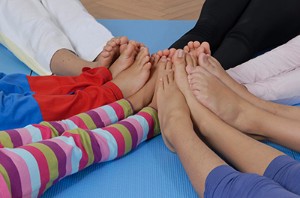 Sweaty feet can be a temporary problem caused by having your feet enclosed in shoes and socks all day, or from high temperatures. But if having sweaty feet is an everyday occurrence, the chances are that you have a condition known as hyperhidrosis. This condition is thought to be genetic in nature. Some people are born with overactive sweat glands, and the moisture produced goes well beyond sweating from hot weather, exercising, or stress. Several underlying health conditions and certain foods may also cause hyperhidrosis. In some cases of hyperhidrosis bacteria forms around the feet causing them to emit a foul odor. It is a good idea to use antibacterial soap regularly to keep the feet clean and healthy. Wearing moisture-wicking socks or open-toed shoes or sandals is a good way to keep your feet dry. A podiatrist can offer more advanced treatment options, including several prescribed antiperspirant medications. In extreme cases, surgery to block the nerve passageway that tells the feet to sweat can be performed. For more information, please contact a podiatrist.
If you are suffering from hyperhidrosis contact Brent Harwood, DPM from Southeast Podiatry. Our doctor can provide the care you need to attend to all of your podiatric needs.
Hyperhidrosis of the Feet
Hyperhidrosis is a rare disorder that can cause people to have excessive sweating on their feet. This can usually occur all on its own without rigorous activity involved. People who suffer from hyperhidrosis may also experience sweaty palms.
Although it is said that sweating is a healthy process meant to cool down the body temperature and maintain a proper internal temperature, hyperhidrosis may prove to be a huge hindrance to a person’s everyday life.
Plantar hyperhidrosis is considered to be the main form of hyperhidrosis. Secondary hyperhidrosis can refer to sweating that occurs in areas other than the feet or hands and armpits. Often this may be a sign of it being related to another medical condition such as menopause, hyperthyroidism, or even Parkinson’s disease.
In order to alleviate this condition, it is important to see your podiatrist so that they may prescribe the necessary medications so that you can begin to live a normal life again. If this is left untreated, it is said that it will persist throughout an individual’s life.
A last resort approach would be surgery, but it is best to speak with your podiatrist to find out what may be the best treatment for you.
If you have any questions please feel free to contact our offices located in Fairhope, Brewton, and Atmore, AL. We offer the newest diagnostic and treatment technologies for all your podiatric needs.

Have your child's feet been examined lately? Healthy feet are happy feet. If your child is complaining of foot pain, it may be a sign of underlying problems.
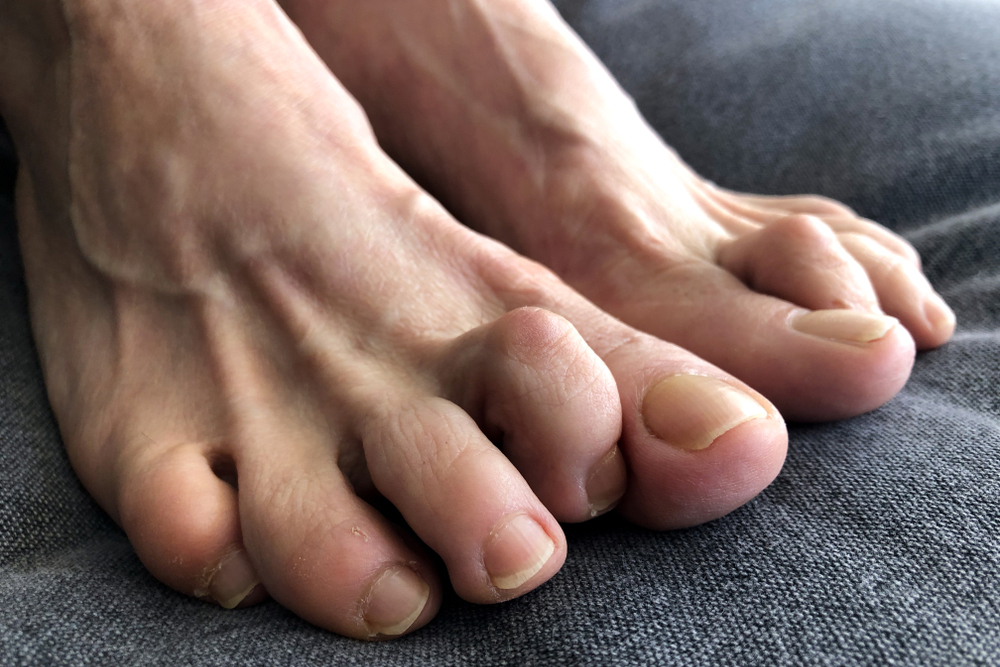 Hammertoe is a deformity that is usually found in the second toe. It is caused by an imbalance of the muscles, tendons, and ligaments that work together to make the toe straight. The result is that the middle joint of the toe raises up to form a peak, while the tip of the toe curls under. The type of shoes you wear, foot structure, and genetics all can contribute to the formation of a hammertoe. Women who wear high heels with pointy toes and children who wear shoes that are too short for their feet are more at risk of developing a hammertoe. Some people are simply born that way. Pain from a hammertoe occurs when the raised joint rubs against the inside of the top of the shoe. A corn or callus can develop, which may affect the gait and can increase pain in other parts of the foot and the body. A podiatrist can give you options for treating a hammertoe. Devices called hammertoe regulators can be custom fitted to help straighten the toe. Gentle exercises, such as picking up a towel with your toes can stretch and straighten the small muscles of the feet. In severe cases, surgery can be performed to permanently straighten the toe. For details on treatment options, please consult a podiatrist.
Hammertoe
Hammertoes can be a painful condition to live with. For more information, contact Brent Harwood, DPM from Southeast Podiatry. Our doctor will assess your condition and provide you with quality treatment.
Hammertoe is a foot deformity that affects the joints of the second, third, fourth, or fifth toes of your feet. It is a painful foot condition in which these toes curl and arch up, which can often lead to pain when wearing footwear.
Symptoms
Causes
Genetics – People who are genetically predisposed to hammertoe are often more susceptible
Arthritis – Because arthritis affects the joints in your toes, further deformities stemming from arthritis can occur
Trauma – Direct trauma to the toes could potentially lead to hammertoe
Ill-fitting shoes – Undue pressure on the front of the toes from ill-fitting shoes can potentially lead to the development of hammertoe
Treatment
Orthotics – Custom-made inserts can be used to help relieve pressure placed on the toes and therefore relieve some of the pain associated with it
Medications – Oral medications such as anti-inflammatories or NSAIDs could be used to treat the pain and inflammation hammertoes causes. Injections of corticosteroids are also sometimes used
Surgery – In more severe cases where the hammertoes have become more rigid, foot surgery is a potential option
If you have any questions please feel free to contact our offices located in Fairhope, Brewton, and Atmore, AL. We offer the newest diagnostic and treatment technologies for all your podiatric needs.

Your feet are covered most of the day. If you're diabetic, periodic screening is important for good health. Numbness is often a sign of diabetic foot and can mask a sore or wound.
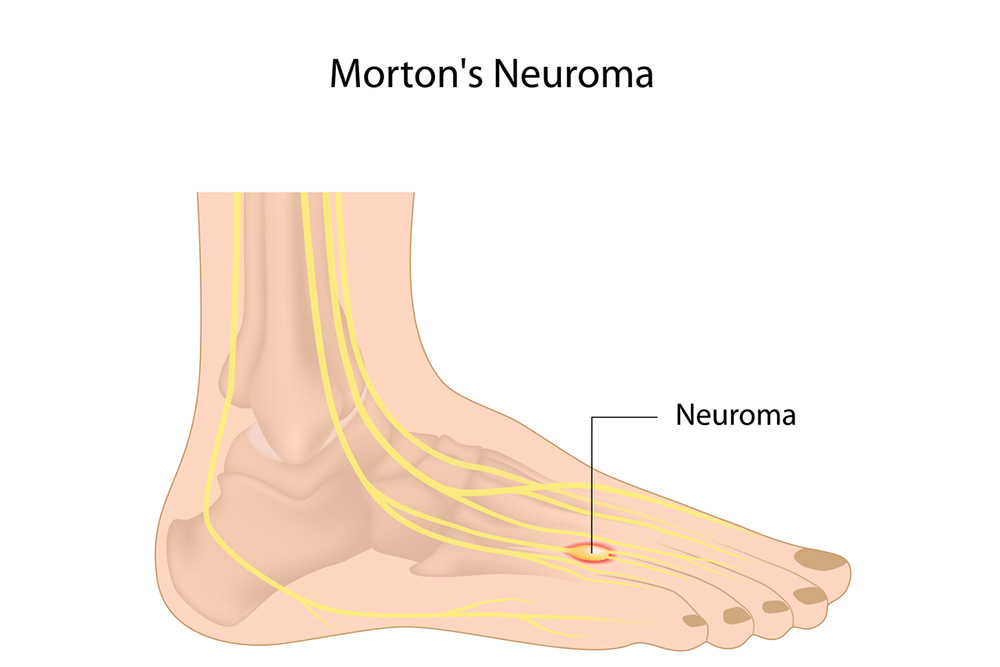 A neuroma of the foot is a painful condition, also known as a pinched nerve or nerve tumor. It is characterized by pain in the ball of the foot, burning or tingling, and some cramping. The neuroma usually develops between the 3rd and 4th toes, causing difficulty walking for long periods. The cause of neuromas is unclear, but certain factors can be connected to their development. Biomechanical difficulties, such as flat feet and high arches, bring on instability to the toe joints that may lead to a neuroma. Direct trauma to the foot can damage the nerve and cause inflammation and swelling. Wearing high-heeled shoes that squeeze the toes can lead to increased pressure on the nerves near the ball of the foot. Finally, repeated stress on the bottom of the feet can create or aggravate a neuroma. If you are experiencing pain in the toes, tingling and numbness in the ball of the foot, swelling, and pain in the ball of the foot when bearing weight, it may indicate a neuroma. Please consult a podiatrist as soon as possible for a diagnosis and treatment options.
Foot Pain
Foot pain can be extremely painful and debilitating. If you have foot pain, consult with Brent Harwood, DPM from Southeast Podiatry. Our doctor will assess your condition and provide you with quality treatment.
Causes
Foot pain is a very broad condition that could be caused by one or more ailments. The most common include:
Diagnosis
To figure out the cause of foot pain, podiatrists utilize several different methods. This can range from simple visual inspections and sensation tests to X-rays and MRI scans. Prior medical history, family medical history, and any recent physical traumatic events will all be taken into consideration for a proper diagnosis.
Treatment
Treatment depends upon the cause of the foot pain. Whether it is resting, staying off the foot, or having surgery; podiatrists have a number of treatment options available for foot pain.
If you have any questions please feel free to contact our offices located in Fairhope, Brewton, and Atmore, AL. We offer the newest diagnostic and treatment technologies for all your podiatric needs.

Suffering from this type of pain? You may have the foot condition known as Morton's neuroma. Morton's neuroma may develop as a result of ill-fitting footwear and existing foot deformities. We can help.
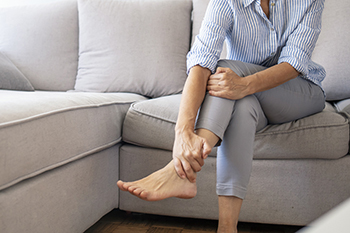 Arthritis is a medical condition that affects a wide variety of individuals across the country. Arthritis primarily impacts the joints of the body, causing them to become inflamed. Individuals who suffer from arthritis can also experience arthritis in their feet. One particular kind of arthritis in the feet is known as midfoot arthritis. This condition occurs at the top, and middle part of the foot when the cartilage between bones diminishes. As a result, the bones can rub up against each other which can ultimately cause inflammation. Certain risk factors are generally associated with midfoot arthritis. For example, suffering from some kind of other foot injury or trauma might make you more susceptible to developing midfoot arthritis. Additionally, one’s natural foot shape might also make one predisposed to developing midfoot arthritis. Schedule an appointment with a podiatrist today for more information.
Arthritis can be a difficult condition to live with. If you are seeking treatment, contact Brent Harwood, DPM from Southeast Podiatry. Our doctor can provide the care you need to keep you pain-free and on your feet.
Arthritic Foot Care
Arthritis is a term that is commonly used to describe joint pain. The condition itself can occur to anyone of any age, race, or gender, and there are over 100 types of it. Nevertheless, arthritis is more commonly found in women compared to men, and it is also more prevalent in those who are overweight. The causes of arthritis vary depending on which type of arthritis you have. Osteoarthritis, for example, is often caused by injury, while rheumatoid arthritis is caused by a misdirected immune system.
Symptoms
Arthritic symptoms range in severity, and they may come and go. Some symptoms stay the same for several years but could potentially get worse with time. Severe cases of arthritis can prevent its sufferers from performing daily activities and make walking difficult.
Risk Factors
If you suspect your arthritis is affecting your feet, it is crucial that you see a podiatrist immediately. Your podiatrist will be able to address your specific case and help you decide which treatment method is best for you.
If you have any questions please feel free to contact our offices located in Fairhope, Brewton, and Atmore, AL. We offer the newest diagnostic and treatment technologies for all your podiatric needs.

If left untreated, an ingrown toenail can lead to more serious concerns, such as an infection. Knowing proper nail care can help in the prevention of an ingrown toenail. Give us a call, and get treated!
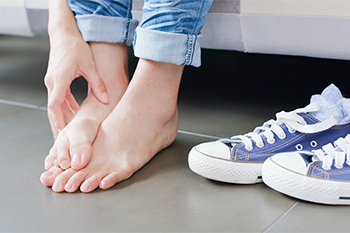 Anyone who is conscious about maintaining the health of their feet ought to be familiar with the important differences between mere dry skin on the feet and a case of athlete’s foot. The former condition does not always imply the existence of the latter. For example, if you have dry skin on your feet, you might notice a rough texture and even itching sensations. Sometimes dry skin is accompanied by cracked heels, also known as heel fissures. Athlete’s foot, on the other hand, is a kind of fungal infection that creates a red rash. Athlete’s foot can be contracted by walking around barefoot in highly trafficked public places, like locker rooms. Importantly, it is possible to have both dry skin and athlete’s foot at the same time. For more information about the difference between athlete’s foot and dry skin, contact a podiatrist today. This foot specialist will be able to answer any questions you might have.
Athlete’s foot is an inconvenient condition that can be easily reduced with the proper treatment. If you have any concerns about your feet, contact Brent Harwood, DPM from Southeast Podiatry. Our doctor will assess your condition and provide you with quality treatment.
Athlete’s Foot: The Sole Story
Athlete's foot, also known as tinea pedis, can be an extremely contagious foot infection. It is commonly contracted in public changing areas and bathrooms, dormitory-style living quarters, around locker rooms and public swimming pools, or anywhere your feet often come into contact with other people.
Solutions to Combat Athlete’s Foot
Athlete’s foot can cause many irritating symptoms such as dry and flaking skin, itching, and redness. Some more severe symptoms can include bleeding and cracked skin, intense itching and burning, and even pain when walking. In the worst cases, Athlete’s foot can cause blistering as well. Speak to your podiatrist for a better understanding of the different causes of Athlete’s foot, as well as help in determining which treatment options are best for you.
If you have any questions please feel free to contact our offices located in Fairhope, Brewton, and Atmore, AL. We offer the newest diagnostic and treatment technologies for all your podiatric needs.
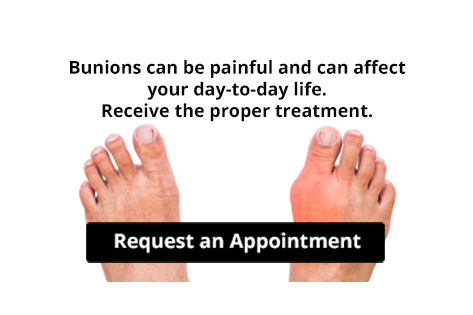
Have you noticed a bony protrusion on the side of your big toe? If so, you may have developed the foot condition known as a bunion. Don't let bunions interfere with your daily activities.
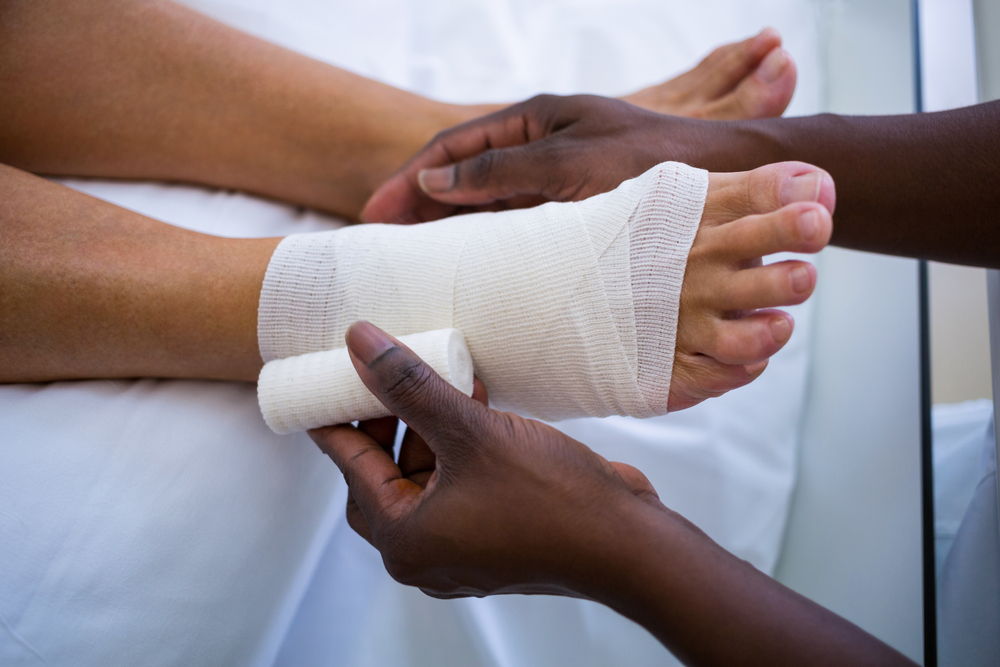 An open sore on the foot is known as a foot ulcer. It can be common among diabetic patients who have cuts on their feet, which they may not be aware of. A simple cut may develop into a foot ulcer as a result of neuropathy, which causes the inability to feel existing wounds, cuts, or scrapes on the feet. There are varying degrees of foot ulcers, which can range from a shallow wound that is on the surface to a deep wound involving the tendons and bones. Any type of wound on the foot needs prompt medical attention, and this may prevent a foot ulcer from developing. A wound on the foot is treated by cleaning out debris that may be inside of it. This is followed by tightly wrapping it with a bandage that can protect the foot, and it is beneficial to elevate it as often as possible. The more shallow the wound is, the greater the chances of a complete healing is possible. If you have a foot wound, please consult with a podiatrist who can offer the correct treatment methods for wound care.
Wound care is an important part of dealing with diabetes. If you have diabetes and a foot wound or would like more information about wound care for diabetics, consult with Brent Harwood, DPM from Southeast Podiatry. Our doctor will assess your condition and provide you with quality treatment.
What Is Wound Care?
Wound care is the practice of taking proper care of a wound. This can range from the smallest to the largest of wounds. While everyone can benefit from proper wound care, it is much more important for diabetics. Diabetics often suffer from poor blood circulation which causes wounds to heal much slower than they would in a non-diabetic.
What Is the Importance of Wound Care?
While it may not seem apparent with small ulcers on the foot, for diabetics, any size ulcer can become infected. Diabetics often also suffer from neuropathy or nerve loss. This means they might not even feel when they have an ulcer on their foot. If the wound becomes severely infected, amputation may be necessary. Therefore, it is of the utmost importance to properly care for any and all foot wounds.
How to Care for Wounds
The best way to care for foot wounds is to prevent them. For diabetics, this means daily inspections of the feet for any signs of abnormalities or ulcers. It is also recommended to see a podiatrist several times a year for a foot inspection. If you do have an ulcer, run the wound under water to clear dirt from the wound; then apply antibiotic ointment to the wound and cover it with a bandage. Bandages should be changed daily and keeping pressure off the wound is smart. It is advised to see a podiatrist, who can keep an eye on it.
If you have any questions please feel free to contact our offices located in Fairhope, Brewton, and Atmore, AL. We offer the newest diagnostic and treatment technologies for all your podiatric needs.
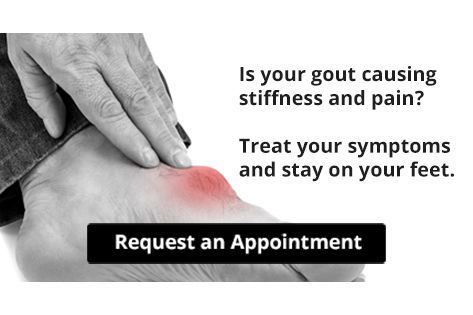
Gout is a painful, inflammatory form of arthritis. Those affected will typically feel an intense stiffness in the joints of their feet, particularly in the big toe. Schedule a visit to learn about how gout can be managed and treated.