Fairhope and Atmore
Phone (251) 928-6768



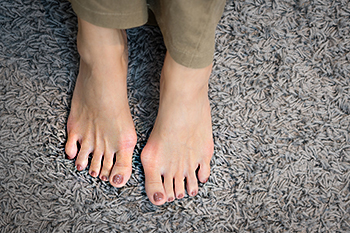 Bunions, or hallux valgus, is a foot deformity where the big toe tilts toward the second toe, causing a bony lump on the side of the foot. Symptoms include pain, swelling, callused skin, and changes in foot shape. Contrary to popular belief, fashion shoes such as high heels do not directly cause bunions. Bunions are primarily the result of a genetic predisposition and the mechanical structure of the foot. However, wearing shoes that squeeze the forefoot and crowd the toes can worsen an existing condition and lead to pain and joint deformity. Bunions can also develop due to factors such as age, arthritis, or sports activities. Preventing bunions involves choosing sensible, well-fitting footwear with ample toe room. Avoiding pointed shoes and excessive heels can be helpful. Proper footwear, non-surgical treatments, and wearing orthotics are initial choices. Surgery is typically the last option for bunions causing significant pain. This involves removing the bony lump and realigning the big toe, ultimately improving foot function and comfort. If you have a bunion that is causing discomfort, it is suggested that you make an appointment with a podiatrist to have it evaluated and obtain appropriate treatment.
If you are suffering from bunions, contact Brent Harwood, DPM from Southeast Podiatry. Our doctor can provide the care you need to keep you pain-free and on your feet.
What Is a Bunion?
A bunion is formed of swollen tissue or an enlargement of bony growth, usually located at the base joint of the toe that connects to the foot. The swelling occurs due to the bones in the big toe shifting inward, which impacts the other toes of the foot. This causes the area around the base of the big toe to become inflamed and painful.
Why Do Bunions Form?
Genetics – Susceptibility to bunions is often hereditary
Stress on the feet – Poorly fitted and uncomfortable footwear that places stress on feet, such as heels, can worsen existing bunions
How Are Bunions Diagnosed?
Doctors often perform two tests – blood tests and x-rays – when trying to diagnose bunions, especially in the early stages of development. Blood tests help determine if the foot pain is being caused by something else, such as arthritis, while X-rays provide a clear picture of your bone structure to your doctor.
How Are Bunions Treated?
If you have any questions please feel free to contact our offices located in Fairhope, Brewton, and Atmore, AL. We offer the newest diagnostic and treatment technologies for all your podiatric needs.

Plantar warts are small growths that develop on parts of the feet that bear weight. They're typically found on the bottom of the foot. Don't live with plantar warts, and call us today!
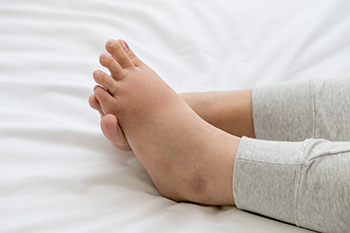 Swollen feet are a common foot condition. There are several causes of swollen feet, and relief may be found when determining the source of the problem. Lifestyle factors may contribute to getting swollen feet, which can range from eating habits to pregnancy. Some patients are afflicted with chronic venous insufficiency, which is a condition that limits blood flow from the feet to the heart. Having swollen feet may also characterize an infection and can be common among diabetic patients. Serious ailments involving blood clots can be known to cause swollen feet and ankles, and immediate medical attention is often sought. Additionally, swollen feet may indicate heart disease, which may cause the blood to back up and pool in the feet and ankles. If you have swollen feet, it is strongly suggested that you are under the care of a podiatrist who can effectively treat this condition.
Swollen feet can be a sign of an underlying condition. If you have any concerns, contact Brent Harwood, DPM from Southeast Podiatry. Our doctor can provide the care you need to keep you pain-free and on your feet.
Swollen feet are a common ailment among pregnant women and people who stand or sit for extended periods. Aging may increase the possibility of swollen feet and patients who are obese often notice when their feet are swelling too. There may be medical reasons why swollen feet occur:
Swollen feet can also be caused by bone and tendon conditions, including fractures, arthritis, and tendinitis. Additionally, there may be skin and toenail conditions and an infection may cause the feet to swell. Patients who take medicine to treat high blood pressure may be prone to getting swollen feet.
Many patients elevate their feet to help relieve the swelling and this is generally a temporary remedy. When a podiatrist is consulted the reason behind the swelling can be uncovered and subsequently treated.
If you have any questions please feel free to contact our offices located in Fairhope, Brewton, and Atmore, AL. We offer the newest diagnostic and treatment technologies for all your podiatric needs.
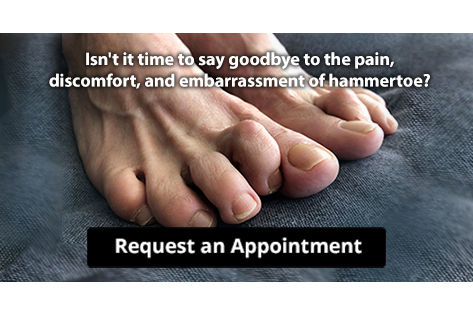
Painful deformities, such as hammertoes, can be treated. Stop living with foot pain, and have beautiful feet again!
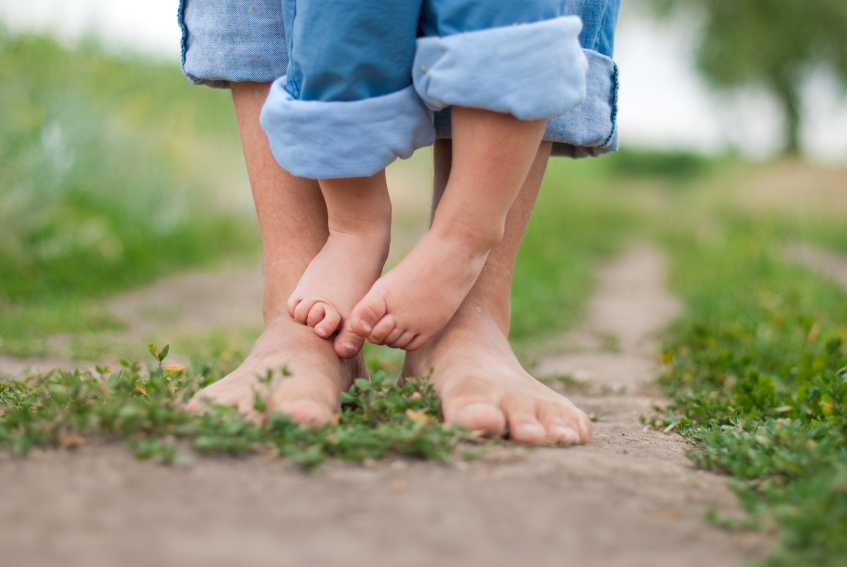 A child's developing feet undergo significant changes during their early years. The medial arch, formed by bones, muscles, and ligaments, gradually takes shape, resulting in a visible arch in the sole. Infants and young children often have flat feet, which is normal due to their flexibility. As kids learn to walk, their ligaments and muscles strengthen, and the arch area becomes less pronounced. By around six years old, most children should have developed normal arches. If a child experiences foot pain or seems to struggle to keep up with peers, a problem may be developing. Two conditions, in-toeing, when the feet turn inwards, and out-toeing, when the feet turn outwards, may require attention. In many cases, in-toeing might resolve on its own, but a persistent or severe case should be assessed, especially if it hinders the child's gait or causes tripping. Out-toeing often resolves as posture and balance improve, but severe cases or those causing pain should be addressed. Parents should also be vigilant about other symptoms like abnormally shaped toes, ingrown toenails, bunions, stiffness, limping, and sudden gait changes. If your child's feet are raising concerns or causing pain, it is suggested that you make an appointment with a podiatrist.
Making sure that your children maintain good foot health is very important as they grow. If you have any questions, contact Brent Harwood, DPM from Southeast Podiatry. Our doctor can provide the care you need to keep you pain-free and on your feet.
Keeping Children's Feet Healthy
Having healthy feet during childhood can help prevent medical problems later in life, namely in the back and legs. As children grow, their feet require different types of care. Here are some things to consider...
Although babies do not walk yet, it is still very important to take care of their feet.
Avoid putting tight shoes or socks on his or her feet.
Allow the baby to stretch and kick his or her feet to feel comfortable.
As a toddler, kids are now on the move and begin to develop differently. At this age, toddlers are getting a feel for walking, so don’t be alarmed if your toddler is unsteady or ‘walks funny’.
As your child gets older, it is important to teach them how to take care of their feet.
Show them proper hygiene to prevent infections such as fungus.
Be watchful for any pain or injury.
Have all injuries checked by a doctor as soon as possible.
Comfortable, protective shoes should always be worn, especially at play.
If you have any questions please feel free to contact our offices located in Fairhope, Brewton, and Atmore, AL. We offer the newest diagnostic and treatment technologies for all your podiatric needs.
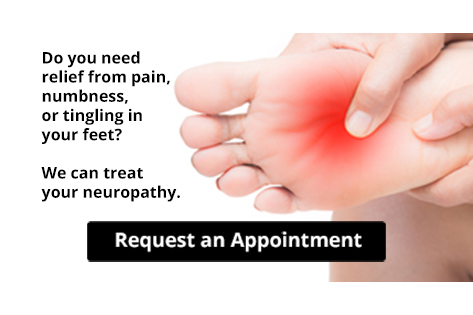
Neuropathy is a condition that can lead to numbness or loss of sensation in the feet, but it can also cause pain. This condition is more likely to develop for those who are diabetic, obese, or with high blood pressure.
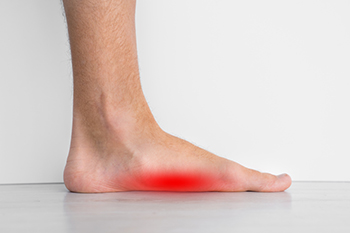 Though running with flat feet can be challenging, it is possible to enjoy pain-free runs and improve your athletic performance. Having flat feet can alter the alignment of the lower extremities, which may result in strain on soft tissues and joints. Choosing the right shoes with adequate arch support is crucial. Proper running technique and posture are also essential for flat-footed runners. A podiatrist can advise on the most suitable foot landing, whether forefoot, midfoot, or heel running, and help you to maintain a proper posture during running. Stretching after each run is recommended for flat-footed runners. In addition, it is beneficial to alternate running surfaces, which may help to alleviate strain. Non-impact equipment, such as elliptical trainers or stair machines, are other alternatives. If you are experiencing problems that stem from having flat feet while running, it is suggested that you make an appointment with a podiatrist who can offer custom orthotics that may address the issue and contribute to pain free running.
Flatfoot is a condition many people suffer from. If you have flat feet, contact Brent Harwood, DPM from Southeast Podiatry. Our doctor will treat all of your podiatric needs.
What Are Flat Feet?
Flatfoot is a condition in which the arch of the foot is depressed and the sole of the foot is almost completely in contact with the ground. About 20-30% of the population generally has flat feet because their arches never formed during growth.
Conditions & Problems:
Having flat feet makes it difficult to run or walk because of the stress placed on the ankles.
Alignment – The general alignment of your legs can be disrupted, because the ankles move inward which can cause major discomfort.
Knees – If you have complications with your knees, flat feet can be a contributor to arthritis in that area.
Symptoms
Treatment
If you are experiencing pain and stress on the foot you may weaken the posterior tibial tendon, which runs around the inside of the ankle.
If you have any questions please feel free to contact our offices located in Fairhope, Brewton, and Atmore, AL. We offer the newest diagnostic and treatment technologies for all your podiatric needs.

Do you work on your feet all day and find your feet in pain? Don't go to work in pain each day. Your foot pain can be treated, and we can help.
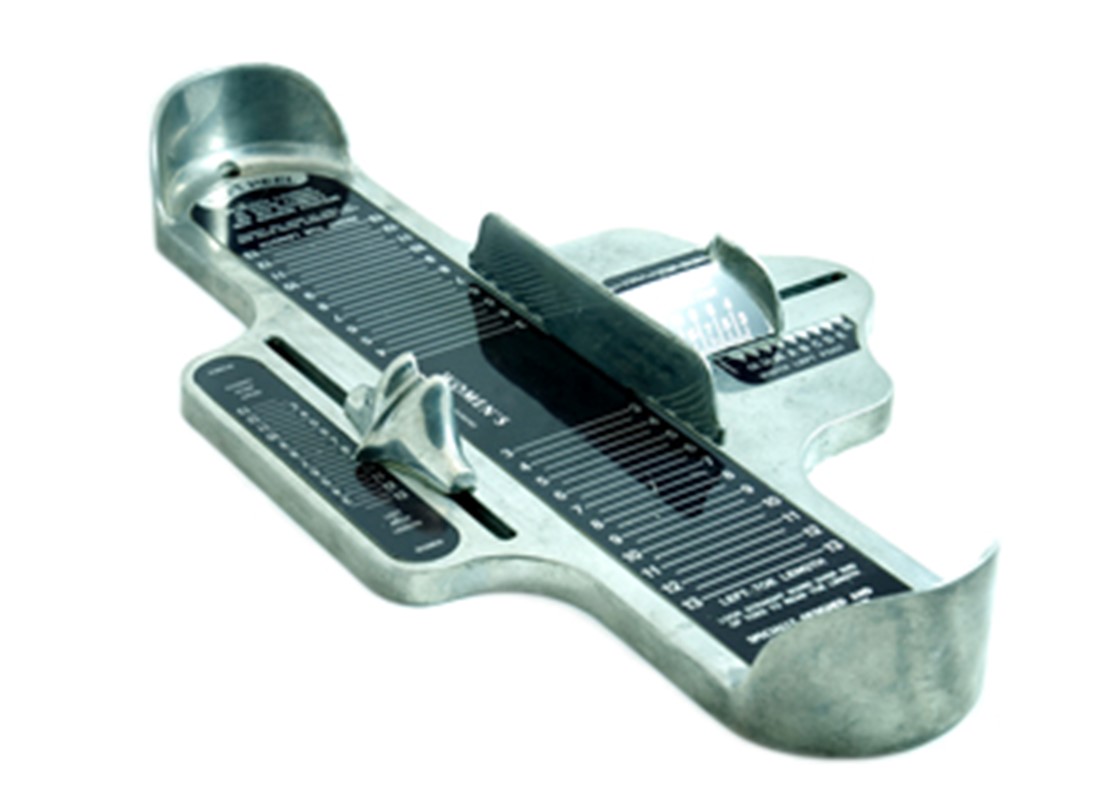 The Brannock device, a seemingly simple yet ingenious tool, is the key to accurately measuring shoe size. Invented in 1927 by Charles Brannock, it remains the industry standard for footwear fitting across the globe. The Brannock device consists of a metal platform with graduated scales for the length and width of the foot, a sliding pointer, and a movable heel cup. To determine shoe size, the individual places the heel against the heel cup and stretches the foot along the platform. The pointer slides to the tip of the longest toe, while the width scale ensures a comfortable fit. This measurement provides the foot's length and width, aiding in selecting the perfect size shoe and ensuring optimal comfort and support. The Brannock device remains an indispensable part of the shoe fitting process, guaranteeing a seamless experience for finding the ideal pair of shoes for every foot. If you would like additional information on how to select a proper shoe size, it is suggested that you confer with a podiatrist.
Getting the right shoe size is an important part of proper foot health. Seek the assistance of Brent Harwood, DPM from Southeast Podiatry. Our doctor will provide the care you need to keep you pain-free and on your feet.
Getting the Right Shoe Size
There are many people who wear shoes that are the incorrect size, negatively affecting their feet and posture. Selecting the right shoes is not a difficult process, so long as you keep several things in mind when it comes to choosing the right pair.
As our feet hold our body weight and keep us moving, it is important to treat them right. Picking the right pair of shoes can provide your feet comfort and mobility without pain.
If you have any questions please feel free to contact our offices located in Fairhope, Brewton, and Atmore, AL. We offer the newest diagnostic and treatment technologies for all your podiatric needs.

Ingrown toenails can be painful and can make wearing shoes or walking uncomfortable. Seek professional help if you believe you've developed an ingrown toenail and be treated safely.
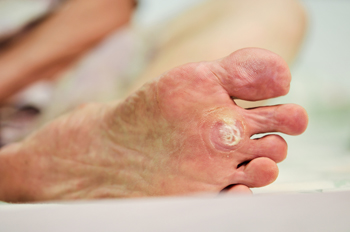 Plantar warts are small, rough growths on the sole of the feet caused by HPV, or the human papillomavirus, entering the skin through minor cuts or abrasions. These warts can be painful, especially when walking or standing. They may appear as single growths or in clusters. Over-the-counter treatments, like salicylic acid patches or gels, can be effective in gradually dissolving plantar warts over time. However, some cases are stubborn and necessitate professional intervention. If you or your child have a plantar wart that is painful or will not go away, it is suggested that you make an appointment with a podiatrist for treatment options that might include freezing the wart, laser therapy, or a minor surgical procedure to permanently remove it.
Plantar warts can be very uncomfortable. If you need your feet checked, contact Brent Harwood, DPM from Southeast Podiatry. Our doctor will assist you with all of your foot and ankle needs.
About Plantar Warts
Plantar warts are the result of HPV, or human papillomavirus, getting into open wounds on the feet. They are mostly found on the heels or balls of the feet.
While plantar warts are generally harmless, those experiencing excessive pain or those suffering from diabetes or a compromised immune system require immediate medical care. Plantar warts are easily diagnosed, usually by scraping off a bit of rough skin or by getting a biopsy.
Symptoms
Treatment
To help prevent developing plantar warts, avoid walking barefoot over abrasive surfaces that can cause cuts or wounds for HPV to get into. Avoiding direct contact with other warts, as well as not picking or rubbing existing warts, can help prevent the further spread of plantar warts. However, if you think you have developed plantar warts, speak to your podiatrist. He or she can diagnose the warts on your feet and recommend the appropriate treatment options.
If you have any questions please feel free to contact our offices located in Fairhope, Brewton, and Atmore, AL. We offer the newest diagnostic and treatment technologies for all your podiatric needs.

Heel pain can negatively affect your day-to-day life. Simple activities like walking can become incredibly uncomfortable or painful due to heel pain.
Don’t live with heel pain and get treated.
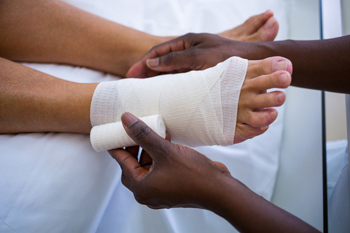 Foot ulcers are open wounds on the feet resulting from skin breakdown. They may be deep, discolored sores that discharge pus, affecting deeper layers of the skin, and potentially spreading to muscles, tendons, or bones. Often caused by injury, friction, or pressure, ulcers are more likely to develop in people who have diabetes and peripheral neuropathy, which reduces foot sensation and can impede skin healing, raising ulcer risks. These ulcers can be painful. Untreated foot ulcers can lead to infections and complications and require serious medical intervention. To prevent ulcers, wear well-fitting shoes and regularly check your feet. If you have foot wounds, it is suggested that you seek prompt examination and treatment from a podiatrist.
Wound care is an important part of dealing with diabetes. If you have diabetes and a foot wound or would like more information about wound care for diabetics, consult with Brent Harwood, DPM from Southeast Podiatry. Our doctor will assess your condition and provide quality foot and ankle treatment.
What Is Wound Care?
Wound care is the practice of taking proper care of a wound. This can range from the smallest to the largest of wounds. While everyone can benefit from proper wound care, it is much more important for diabetics. Diabetics often suffer from poor blood circulation which causes wounds to heal much slower than they would in a non-diabetic.
What Is the Importance of Wound Care?
While it may not seem apparent with small ulcers on the foot, for diabetics, any size ulcer can become infected. Diabetics often also suffer from neuropathy, or nerve loss. This means they might not even feel when they have an ulcer on their foot. If the wound becomes severely infected, amputation may be necessary. Therefore, it is of the utmost importance to properly care for any and all foot wounds.
How to Care for Wounds
The best way to care for foot wounds is to prevent them. For diabetics, this means daily inspections of the feet for any signs of abnormalities or ulcers. It is also recommended to see a podiatrist several times a year for a foot inspection. If you do have an ulcer, run the wound under water to clear dirt from the wound; then apply antibiotic ointment to the wound and cover it with a bandage. Bandages should be changed daily and keeping pressure off the wound is smart. It is advised to see a podiatrist, who can keep an eye on it.
If you have any questions please feel free to contact our offices located in Fairhope, Brewton, and Atmore, AL. We offer the newest diagnostic and treatment technologies for all your podiatric needs.

Do you suffer from heel pain when you get up in the morning? If so, you should seek the professional help of your podiatrist and have a proper diagnosis performed. Heel pain can be caused by several different foot-related conditions.