Fairhope and Atmore
Phone (251) 928-6768



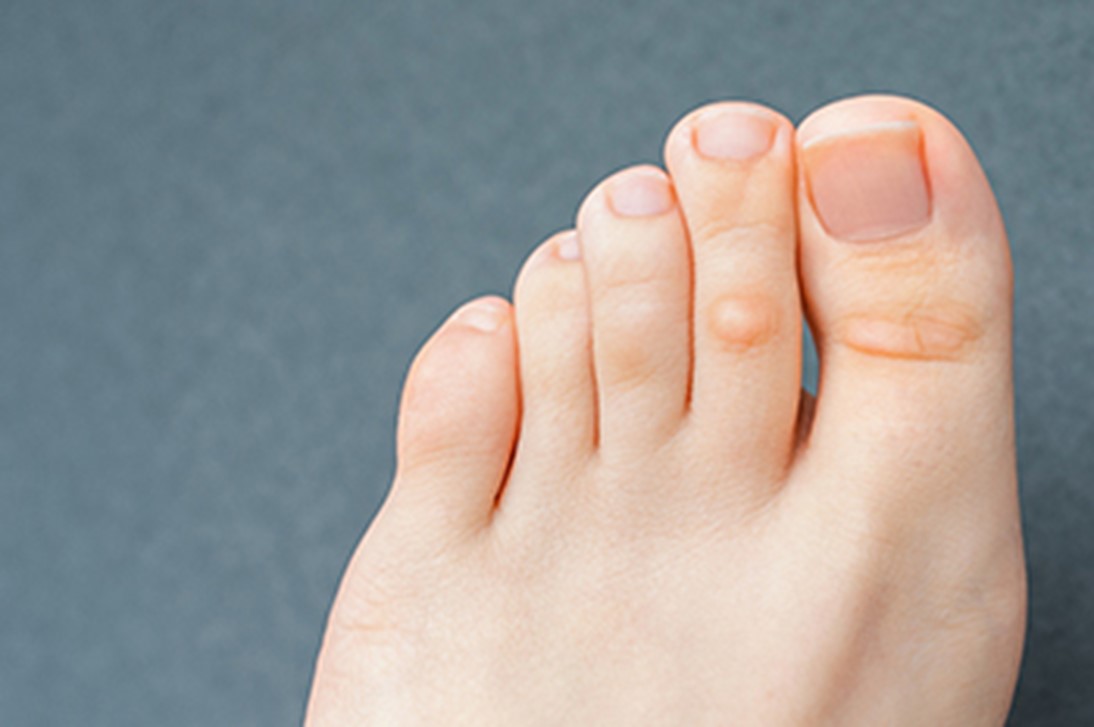 Corns on the feet, while small in size, can cause significant discomfort and annoyance. These thickened, hardened areas of skin typically form in response to repetitive friction or pressure. Corns are the body's way of defending against this constant irritation, creating a protective barrier that may not always be welcome. The primary cause of corns is wearing ill-fitting footwear. Shoes that are too tight, narrow, or have high heels can squeeze the toes and create pressure points, prompting corn development. Similarly, wearing shoes with inadequate arch support can lead to corns on the soles. Other potential culprits can include deformities in the feet, such as bunions or hammertoes, which alter the foot's shape and increase the likelihood of corns. By paying attention to the health and comfort of your feet, you can avoid the persistent nuisance of corns. If you have developed one or more corns on your feet, it is suggested that you speak with a podiatrist who can guide you toward appropriate treatment methods.
Corns can make walking very painful and should be treated immediately. If you have questions regarding your feet and ankles, contact Brent Harwood, DPM from Southeast Podiatry. Our doctor will treat your foot and ankle needs.
Corns: What Are They? And How Do You Get Rid of Them?
Corns are thickened areas on the skin that can become painful. They are caused by excessive pressure and friction on the skin. Corns press into the deeper layers of the skin and are usually round in shape.
Ways to Prevent Corns
There are many ways to get rid of painful corns such as:
Treating Corns
Although most corns slowly disappear when the friction or pressure stops, this isn’t always the case. Consult with your podiatrist to determine the best treatment option for your case of corns.
If you have any questions please feel free to contact our offices located in Fairhope, Brewton, and Atmore, AL. We offer the newest diagnostic and treatment technologies for all your podiatric needs.

You don't need an excuse to have beautiful nails. Step outside without worrying about the appearance of your feet.
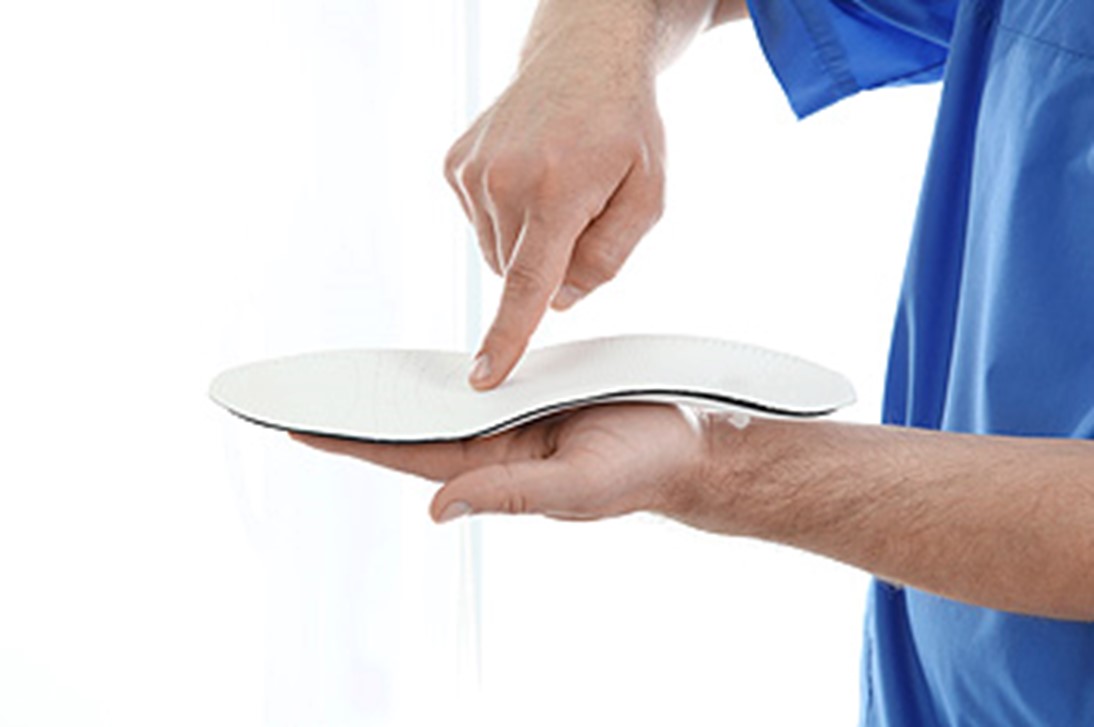 Children's orthotics may be needed to support their foot growth and development. However, knowing when to seek the counsel of a podiatrist is vital. Typically, before the age of three, concerns related to a child's gait naturally resolve as their muscles and foot structures mature. In these early years, orthotics are seldom necessary, and simple shoe adjustments or exercises may suffice. Yet, specific signs should prompt consultation. For example, flat feet can lead to joint pain and posture issues, warranting attention. Likewise, if a child's feet point inward or outward, it is crucial to address this to prevent long-term muscle imbalances and mobility problems. Some foot deformities, such as hammertoes and bunions can be corrected with orthotics if addressed promptly. Abnormal shoe wear, recurring foot pain, and rapid fatigue during physical activities can all indicate underlying foot problems. In most cases, custom foot orthotics effectively address these concerns, facilitating proper development without pain. If you have any questions about your child's foot health, it is suggested that you make an appointment with a podiatrist for professional guidance.
If you are having discomfort in your feet and would like to try orthotics, contact Brent Harwood, DPM from Southeast Podiatry. Our doctor can provide the care you need to keep you pain-free and on your feet.
What Are Orthotics?
Orthotics are inserts you can place into your shoes to help with a variety of foot problems such as flat feet or foot pain. Orthotics provide relief and comfort for minor foot and heel pain but can’t correct serious biomechanical problems in your feet.
Over-the-Counter Inserts
Orthotics come in a wide variety of over-the-counter inserts that are used to treat foot pain, heel pain, and minor problems. For example, arch supports can be inserted into your shoes to help correct overarched or flat feet, while gel insoles are often used because they provide comfort and relief from foot and heel pain by alleviating pressure.
Prescription Orthotics
If over-the-counter inserts don’t work for you or if you have a more severe foot concern, it is possible to have your podiatrist prescribe custom orthotics. These high-quality inserts are designed to treat problems such as abnormal motion, plantar fasciitis, and severe forms of heel pain. They can even be used to help patients suffering from diabetes by treating foot ulcers and painful calluses and are usually molded to your feet individually, which allows them to provide full support and comfort.
If you are experiencing minor to severe foot or heel pain, it’s recommended to speak with your podiatrist about the possibilities of using orthotics. A podiatrist can determine which type of orthotic is right for you and allow you to take the first steps towards being pain-free.
If you have any questions please feel free to contact our offices located in Fairhope, Brewton, and Atmore, AL. We offer the newest diagnostic and treatment technologies for all your podiatric needs.

Have your child's feet been examined lately? Healthy feet are happy feet. If your child is complaining of foot pain, it may be a sign of underlying problems.
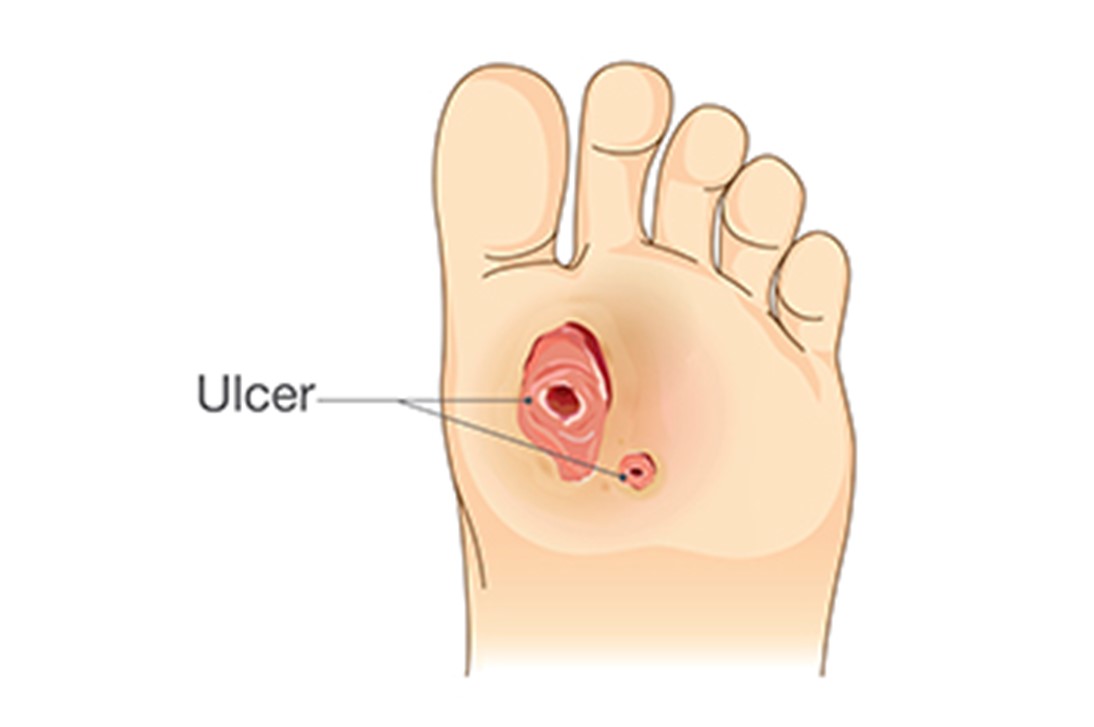 Managing diabetic foot wounds is important for individuals with diabetes, as they are susceptible to slow-healing wounds that can escalate into severe complications. First, meticulous wound care is essential. This can begin with cleaning the wound daily with mild soap and warm water, followed by applying an antibiotic ointment and covering with a sterile dressing. Offloading pressure from the affected foot is suggested, as this can be achieved with special footwear, custom orthotics, or using assistive devices, such as crutches. Regular monitoring for signs of infection, such as increased redness, swelling, or discharge, is vital. Keeping blood sugar levels under control is fundamental, as high blood sugar can impede the healing process. If you have diabetes, it is strongly suggested that you are under the care of a podiatrist who can help you to manage any foot wounds that may develop.
Diabetic foot care is important in preventing foot ailments such as ulcers. If you are suffering from diabetes or have any other concerns about your feet, contact Brent Harwood, DPM from Southeast Podiatry. Our doctor can provide the care you need to keep you pain-free and on your feet.
Diabetic Foot Care
Diabetes affects millions of people every year. The condition can damage blood vessels in many parts of the body, especially the feet. Because of this, taking care of your feet is essential if you have diabetes, and having a podiatrist help monitor your foot health is highly recommended.
The Importance of Caring for Your Feet
Patients with diabetes should have their doctor monitor their blood levels, as blood sugar levels play such a huge role in diabetic care. Monitoring these levels on a regular basis is highly advised.
It is always best to inform your healthcare professional of any concerns you may have regarding your feet, especially for diabetic patients. Early treatment and routine foot examinations are keys to maintaining proper health, especially because severe complications can arise if proper treatment is not applied.
If you have any questions please feel free to contact our offices located in Fairhope, Brewton, and Atmore, AL. We offer the newest diagnostic and treatment technologies for all your podiatric needs.
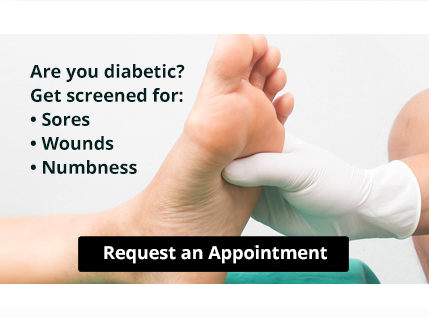
Your feet are covered most of the day. If you're diabetic, periodic screening is important for good health. Numbness is often a sign of diabetic foot and can mask a sore or wound.
 Toenail fungus, or onychomycosis, is a condition caused by dermatophytes, a group of fungi that thrive in warm, damp environments like your feet. It often begins as a white or yellow spot under the tip of the toenail and can progress to thickening, discoloration, and even nail detachment if left untreated. Ways to treat and subsequently prevent toenail fungus include washing your feet daily with soap and water, paying special attention to the toenails, and then drying your feet thoroughly, including the spaces between your toes to prevent moisture buildup. Wear shoes made of breathable materials, like leather or mesh, to reduce moisture accumulation and avoid wearing tight-fitting shoes for extended periods. In addition, change your socks daily, and opt for moisture-wicking socks if you sweat excessively. Use antifungal foot powder or spray to keep your feet dry and prevent fungal growth. Wear flip-flops or shower shoes in communal showers, locker rooms, and pool areas to minimize the risk of exposure to the fungus. If your toenail fungus persists or worsens despite these measures, it is suggested that you make an appointment with a podiatrist who can recommend prescription medications, laser therapy, or in severe cases, surgical nail removal.
For more information about treatment, contact Brent Harwood, DPM from Southeast Podiatry. Our doctor can provide the care you need to keep you pain-free and on your feet.
Toenail Fungus Treatment
Toenail fungus is a condition that affects many people and can be especially hard to get rid of. Fortunately, there are several methods to go about treating and avoiding it.
Antifungals & Deterrence
Oral antifungal medicine has been shown to be effective in many cases. It is important to consult with a podiatrist to determine the proper regiment for you, or potentially explore other options.
Applying foot powder on the feet and shoes helps keep the feet free of moisture and sweat.
Sandals or open toed shoes – Wearing these will allow air movement and help keep feet dry. They also expose your feet to light, which fungus cannot tolerate. Socks with moisture wicking material also help as well.
If you have any questions please feel free to contact our offices located in Fairhope, Brewton, and Atmore, AL. We offer the newest diagnostic and treatment technologies for all your podiatric needs.

Suffering from this type of pain? You may have the foot condition known as Morton's neuroma. Morton's neuroma may develop as a result of ill-fitting footwear and existing foot deformities. We can help.
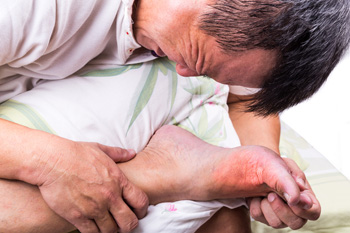 Gout is a painful form of arthritis that results from the buildup of uric acid crystals in the joints. This condition can affect anyone, and it typically targets the big toe joint. A noticeable symptom of gout is intense pain, swelling, and redness in the affected joint, often occurring suddenly and causing discomfort that can last for days or weeks. The primary cause of gout is an overabundance of uric acid in the bloodstream, a condition known as hyperuricemia. Uric acid forms when the body breaks down purines, which are found in certain foods and are also produced naturally by the body. Factors such as genetics, a diet rich in purines, excessive alcohol consumption, and obesity can contribute to elevated uric acid levels. Treatment of gout typically involves managing pain during flare-ups with anti-inflammatory medications and lifestyle modifications can help to reduce uric acid levels. Long-term strategies often include dietary changes, weight management, and medications to lower uric acid production. By understanding gout's definition, causes, and appropriate treatment options, individuals can take proactive steps to alleviate pain and prevent future attacks. If you suffer from gout, it is strongly suggested that you are under the care of a podiatrist who can help you to manage this condition.
Gout is a foot condition that requires certain treatment and care. If you are seeking treatment, contact Brent Harwood, DPM from Southeast Podiatry. Our doctor will treat your podiatric needs.
What Is Gout?
Gout is a type of arthritis caused by a buildup of uric acid in the bloodstream. It often develops in the foot, especially the big toe area, although it can manifest in other parts of the body as well. Gout can make walking and standing very painful and is especially common in diabetics and the obese.
People typically get gout because of a poor diet. Genetic predisposition is also a factor. The children of parents who have had gout frequently have a chance of developing it themselves.
Gout can easily be identified by redness and inflammation of the big toe and the surrounding areas of the foot. Other symptoms include extreme fatigue, joint pain, and running high fevers. Sometimes corticosteroid drugs can be prescribed to treat gout, but the best way to combat this disease is to get more exercise and eat a better diet.
If you have any questions please feel free to contact our offices located in Fairhope, Brewton, and Atmore, AL. We offer the newest diagnostic and treatment technologies for all your podiatric needs.

If left untreated, an ingrown toenail can lead to more serious concerns, such as an infection. Knowing proper nail care can help in the prevention of an ingrown toenail. Give us a call, and get treated!
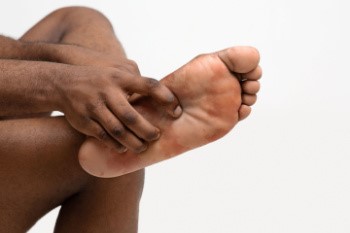 Plantar fasciitis, a common and often debilitating foot condition, can bring your daily life to a halt due to severe heel pain. Fortunately, various treatment options are available to help you regain your comfort and mobility. Conservative measures like rest and taking anti-inflammatory medications can help to alleviate discomfort. Wearing supportive footwear with proper arch support and cushioning can significantly reduce strain on the plantar fascia. Stretching exercises that target the calf muscles and Achilles tendon can also provide relief by loosening tight structures around the foot. Custom orthotics may be recommended to support the arch and distribute pressure evenly. In rare cases, when conservative treatments are not sufficient, medical interventions such as cortico-steroid injections or surgery may be considered. Plantar fasciitis can be challenging, but with the right approach and patience, you can overcome it and return to a pain-free, active lifestyle. If you have heel pain, it is suggested that you contact a podiatrist who can effectively diagnose and treat plantar fasciitis.
Plantar fasciitis can be very painful and inconvenient. If you are experiencing heel pain or symptoms of plantar fasciitis, contact Brent Harwood, DPM from Southeast Podiatry. Our doctor can provide the care you need to keep you pain-free and on your feet.
What Is Plantar Fasciitis?
Plantar fasciitis is the inflammation of the thick band of tissue that runs along the bottom of your foot, known as the plantar fascia, and causes mild to severe heel pain.
What Causes Plantar Fasciitis?
How Can It Be Treated?
While very treatable, plantar fasciitis is definitely not something that should be ignored. Especially in severe cases, speaking to your podiatrist right away is highly recommended to avoid complications and severe heel pain. Your podiatrist can work with you to provide the appropriate treatment options tailored to your condition.
If you have any questions please feel free to contact our offices located in Fairhope, Brewton, and Atmore, AL. We offer the newest diagnostic and treatment technologies for all your podiatric needs.
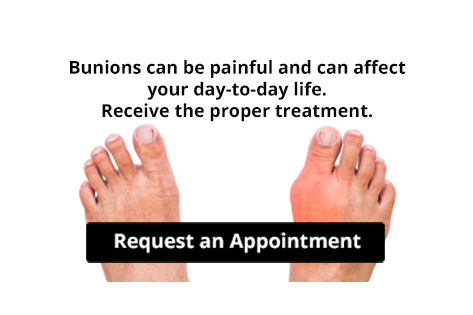
Have you noticed a bony protrusion on the side of your big toe? If so, you may have developed the foot condition known as a bunion. Don't let bunions interfere with your daily activities.
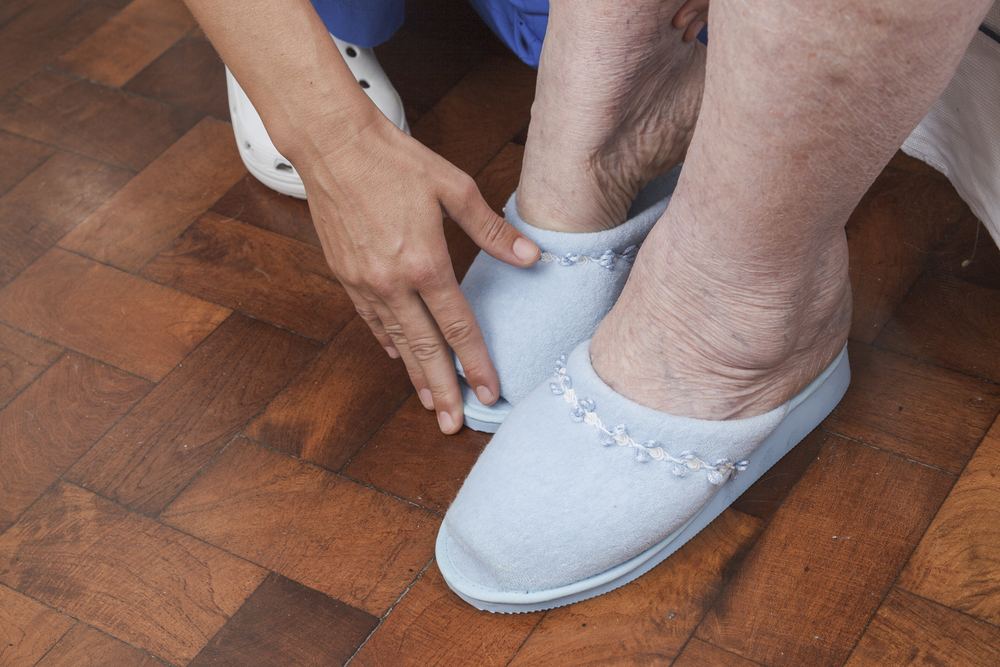 As people age, their bodies undergo various changes, and the feet are no exception. Senior citizens often encounter a range of foot problems that can significantly affect their mobility and overall quality of life. One of the most common issues is arthritis, which can cause pain, stiffness, and reduced joint flexibility. Additionally, decreased blood circulation and thinner skin make seniors more susceptible to foot sores and slow wound healing. To prevent these conditions, seniors must prioritize foot care. This includes wearing comfortable, supportive shoes, maintaining proper hygiene, and inspecting their feet regularly for any signs of problems. Regular exercise can also help improve circulation and reduce the risk of foot ailments. By taking proactive steps to care for their feet, seniors can enjoy greater comfort and mobility. If you have questions about elderly foot care, it is suggested that you consult a podiatrist who can address any concerns you may have.
Proper foot care is something many older adults forget to consider. If you have any concerns about your feet and ankles, contact Brent Harwood, DPM from Southeast Podiatry. Our doctor can provide the care you need to keep you pain-free and on your feet.
The Elderly and Their Feet
As we age we start to notice many changes in our body, but the elder population may not notice them right away. Medical conditions may prevent the elderly from taking notice of their foot health right away. Poor vision is a lead contributor to not taking action for the elderly.
Common Conditions
Susceptible Infections
Diabetes and poor circulation can cause a general loss of sensitivity over the years, turning a simple cut into a serious issue.
If you have any questions please feel free to contact our offices located in Fairhope, Brewton, and Atmore, AL. We offer the newest diagnostic and treatment technologies for all your podiatric needs.
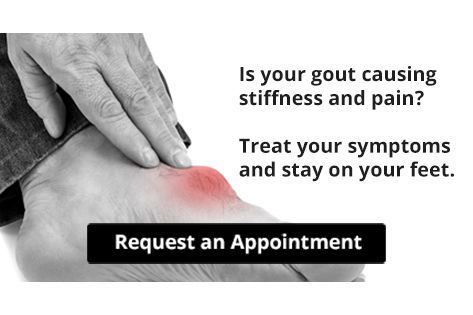
Gout is a painful, inflammatory form of arthritis. Those affected will typically feel an intense stiffness in the joints of their feet, particularly in the big toe. Schedule a visit to learn about how gout can be managed and treated.