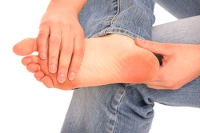
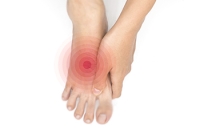
Fairhope and Atmore
Phone (251) 928-6768




If you think you might be a candidate for bunion surgery, here are key factors to help guide your decision. Bunions are painful bumps on the side of your big toe that develop when the base of the toe pushes outward. Bunion formation is often due to genetics and wearing ill-fitting shoes, particularly high heels. Bunion pain can be managed through various non-surgical treatments such as wearing supportive shoes, and having pain medications or cortisone shots. If these methods fail and the bunion severely impacts your daily life, surgery becomes an option. The type of surgical procedure depends on the severity of the bunion, with moderate cases typically involving shaving the bump and correcting the toe joint's angle. Recovery includes wearing a special boot for a few weeks, and managing bruising and swelling. Delaying surgery can lead to more complex procedures with longer recovery times. A podiatrist will guide you through the recovery process, including follow-up visits to monitor for complications like infections. Keep in mind that surgery may not be a permanent solution, especially if you are genetically predisposed to bunions. Wearing proper shoes and avoiding injuries post-surgery can help maintain the results. If you have a bunion that is causing extreme discomfort, it is suggested that you schedule an appointment with a podiatrist to find out if bunion surgery is right for you.
Foot surgery is sometimes necessary to treat a foot ailment. To learn more, contact Brent Harwood, DPM of Southeast Podiatry. Our doctor will assist you with all of your foot and ankle needs.
When Is Surgery Necessary?
Foot and ankle surgery is generally reserved for cases in which less invasive, conservative procedures have failed to alleviate the problem. Some of the cases in which surgery may be necessary include:
What Types of Surgery Are There?
The type of surgery you receive will depend on the nature of the problem you have. Some of the possible surgeries include:
Benefits of Surgery
Although surgery is usually a last resort, it can provide more complete pain relief compared to non-surgical methods and may allow you to finally resume full activity.
Surgical techniques have also become increasingly sophisticated. Techniques like endoscopic surgery allow for smaller incisions and faster recovery times.
If you have any questions please feel free to contact one of our offices located in Fairhope, Brewton, and Atmore, AL . We offer the newest diagnostic and treatment technologies for all your foot and ankle needs.

If left untreated, an ingrown toenail can lead to more serious concerns, such as an infection. Knowing proper nail care can help in the prevention of an ingrown toenail. Give us a call, and get treated!
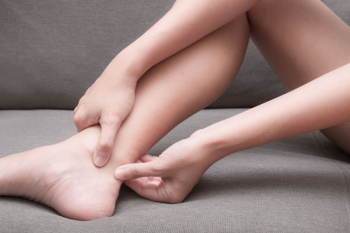 Tarsal tunnel syndrome is a condition characterized by the compression of the tibial nerve as it travels through the tarsal tunnel, a narrow space on the inside of the ankle. This tunnel houses several vital structures, including the tibialis posterior tendon, the flexor digitorum longus tendon, and the posterior tibial artery and vein. When the tibial nerve is compressed, it can lead to pain, tingling, and numbness in the foot. The tibialis posterior tendon helps support the arch of the foot, while the flexor digitorum longus tendon aids in flexing the toes. The posterior tibial artery and vein are essential for blood circulation to the foot. If you have pain in this part of your foot, it is suggested that you consult a podiatrist who can diagnose and treat tarsal tunnel syndrome.
Tarsal tunnel syndrome can be very uncomfortable to live with. If you are experiencing tarsal tunnel syndrome, contact Brent Harwood, DPM of Southeast Podiatry. Our doctor can provide the care you need to keep you pain-free and on your feet.
Tarsal Tunnel Syndrome
Tarsal tunnel syndrome, which can also be called tibial nerve dysfunction, is an uncommon condition of misfiring peripheral nerves in the foot. The tibial nerve is the peripheral nerve in the leg responsible for sensation and movement of the foot and calf muscles. In tarsal tunnel syndrome, the tibial nerve is damaged, causing problems with movement and feeling in the foot of the affected leg.
Common Cause of Tarsal Tunnel Syndrome
The Effects of Tarsal Tunnel Syndrome
A physical exam of the leg can help identify the presence of tarsal tunnel syndrome. Medical tests, such as a nerve biopsy, are also used to diagnose the condition. Patients may receive physical therapy and prescriptive medication. In extreme cases, some may require surgery.
If you have any questions please feel free to contact one of our offices located in Fairhope, Brewton, and Atmore, AL . We offer the newest diagnostic and treatment technologies for all your foot and ankle needs.
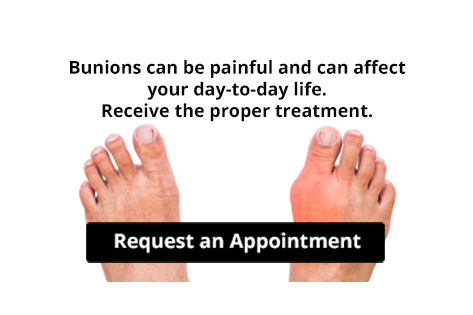
Have you noticed a bony protrusion on the side of your big toe? If so, you may have developed the foot condition known as a bunion. Don't let bunions interfere with your daily activities.
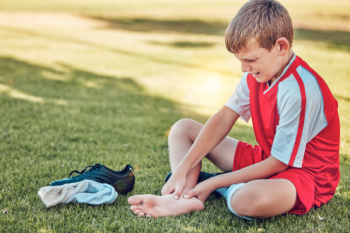
Sever's disease, medically known as calcaneal apophysitis, is a common cause of heel pain in growing children. This condition occurs when the growth plate in the heel becomes inflamed due to repetitive stress or excessive physical activity. Common causes include participation in sports that involve running or jumping, such as soccer or basketball. Symptoms of Sever's disease include pain and tenderness in the heel, swelling, and difficulty walking. Preventing this condition involves ensuring children wear properly fitting, supportive footwear and encouraging them to stretch before physical activity. Limiting activities that place excessive strain on the heel can also help. Early detection and management are vital to prevent long-term discomfort. If your child has heel pain, it is suggested that you consult a podiatrist.
Sever's disease often occurs in children and teens. If your child is experiencing foot or ankle pain, see Brent Harwood, DPM from Southeast Podiatry. Our doctor can treat your child’s foot and ankle needs.
Sever’s Disease
Sever’s disease is also known as calcaneal apophysitis, which is a medical condition that causes heel pain I none or both feet. The disease is known to affect children between the ages of 8 and 14.
Sever’s disease occurs when part of the child’s heel known as the growth plate (calcaneal epiphysis) is attached to the Achilles tendon. This area can suffer injury when the muscles and tendons of the growing foot do not keep pace with bone growth. Therefore, the constant pain which one experiences at the back of the heel will make the child unable to put any weight on the heel. The child is then forced to walk on their toes.
Symptoms
Acute pain – Pain associated with Sever’s disease is usually felt in the heel when the child engages in physical activity such as walking, jumping and or running.
Highly active – Children who are very active are among the most susceptible in experiencing Sever’s disease, because of the stress and tension placed on their feet.
If you have any questions, please feel free to contact one of our offices located in Fairhope, Brewton, and Atmore, AL . We offer the newest diagnostic and treatment technologies for all your foot and ankle injuries.

Gout is a painful, inflammatory form of arthritis. Those affected will typically feel an intense stiffness in the joints of their feet, particularly in the big toe. Schedule a visit to learn about how gout can be managed and treated.
 Achilles tendinopathy is a condition characterized by pain, swelling, and stiffness in the Achilles tendon, which connects the calf muscles to the heel bone. This condition often results from overuse, particularly in athletes and individuals who engage in repetitive activities such as running or jumping. It can also arise from a sudden increase in physical activity, wearing poor footwear, or biomechanical issues like flat feet. The pain associated with Achilles tendinopathy usually starts as a mild ache above the heel or in the back of the leg, worsening with activity. The condition can range from mild inflammation to more severe degeneration of the tendon fibers. Diagnosis typically involves a physical examination and imaging tests, such as ultrasound or MRI scans to assess the extent of the damage. Treatment options include rest, targeted exercises, and nonsteroidal anti-inflammatory drugs. In severe cases, surgery may be required to repair the tendon. Preventative measures include proper warm-up routines, wearing appropriate footwear, and gradually increasing the intensity of physical activity. If you experience symptoms of Achilles tendinopathy, it is suggested that you schedule an appointment to see a podiatrist for an accurate diagnosis and effective treatment plan.
Achilles tendon injuries need immediate attention to avoid future complications. If you have any concerns, contact Brent Harwood, DPM of Southeast Podiatry. Our doctor can provide the care you need to keep you pain-free and on your feet.
What Is the Achilles Tendon?
The Achilles tendon is a tendon that connects the lower leg muscles and calf to the heel of the foot. It is the strongest tendon in the human body and is essential for making movement possible. Because this tendon is such an integral part of the body, any injuries to it can create immense difficulties and should immediately be presented to a doctor.
What Are the Symptoms of an Achilles Tendon Injury?
There are various types of injuries that can affect the Achilles tendon. The two most common injuries are Achilles tendinitis and ruptures of the tendon.
Achilles Tendinitis Symptoms
Rupture Symptoms
Treatment and Prevention
Achilles tendon injuries are diagnosed by a thorough physical evaluation, which can include an MRI. Treatment involves rest, physical therapy, and in some cases, surgery. However, various preventative measures can be taken to avoid these injuries, such as:
If you have any questions please feel free to contact one of our offices located in Fairhope, Brewton, and Atmore, AL . We offer the newest diagnostic tools and technology to treat your foot and ankle needs.

Plantar warts are small growths that develop on parts of the feet that bear weight. They're typically found on the bottom of the foot. Don't live with plantar warts, and call us today!
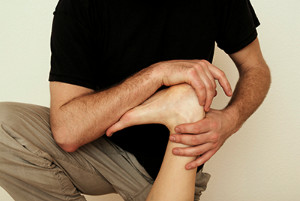
Foot strengthening exercises are vital for dancers to improve their performance and prevent injuries. Flexing and pointing the feet, done with deliberate control, enhance flexibility and strength in the arches and ankles. Doming, where the arch is lifted without curling the toes, targets the intrinsic foot muscles, promoting better balance and stability. Calf raises, performed slowly, build strength in the calves and Achilles tendons, essential for jumps and relevés. Resistance band exercises, add an extra challenge, improving ankle strength and control. Regular practice of these exercises can lead to stronger, more resilient feet, enabling dancers to execute movements with greater precision and reducing the likelihood of injury. If you have endured a foot injury while dancing, it is suggested that you visit a podiatrist who can treat foot and ankle pain, in addition to guiding you toward effective foot strengthening techniques.
Exercising your feet regularly with the proper foot wear is a great way to prevent injuries and build strength. If you have any concerns about your feet, contact Brent Harwood, DPM from Southeast Podiatry. Our doctor can provide the care you need to keep you pain-free and on your feet.
Exercise for Your Feet
Exercise for your feet can help you gain strength, mobility and flexibility in your feet. They say that strengthening your feet can be just as rewarding as strengthening another part of the body. Your feet are very important, and we often forget about them in our daily tasks. But it is because of our feet that are we able to get going and do what we need to. For those of us fortunate enough to not have any foot problems, it is an important gesture to take care of them to ensure good health in the long run.
Some foot health exercises can include ankle pumps, tip-toeing, toe rises, lifting off the floor doing reps and sets, and flexing the toes. It is best to speak with Our doctor to determine an appropriate regimen for your needs. Everyone’s needs and bodies are different, and the activities required to maintain strength in the feet vary from individual to individual.
Once you get into a routine of doing regular exercise, you may notice a difference in your feet and how strong they may become.
If you have any questions please feel free to contact one of our offices located in Fairhope, Brewton, and Atmore, AL . We offer the newest diagnostic and treatment technologies for all your foot and ankle needs.
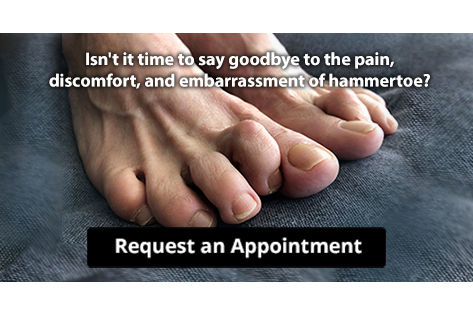
Painful deformities, such as hammertoes, can be treated. Stop living with foot pain, and have beautiful feet again!

Running is an excellent way to stay fit, but it can sometimes lead to ankle pain. This discomfort often arises from overuse, improper footwear, or running on uneven surfaces. When you run, your ankles absorb significant impact with each step, which can strain the ligaments, tendons, and muscles around the joint. Overuse injuries occur when the ankle is repeatedly stressed without sufficient rest, leading to inflammation and pain. Wearing shoes that do not provide adequate support or cushioning can worsen this issue, as can running on surfaces that are too hard or uneven, increasing the risk of spraining the ankle. Additionally, biomechanical issues, such as improper running form or flat feet, can contribute to ankle pain by placing extra strain on the joint. To prevent ankle pain, it is important to wear proper running shoes and run on suitable surfaces. If you have developed ankle pain from running, it is suggested that you contact a podiatrist who can guide you toward relief and injury prevention tips.
Sports related foot and ankle injuries require proper treatment before players can go back to their regular routines. For more information, contact Brent Harwood, DPM of Southeast Podiatry. Our doctor can provide the care you need to keep you pain-free and on your feet.
Sports Related Foot and Ankle Injuries
Foot and ankle injuries are a common occurrence when it comes to athletes of any sport. While many athletes dismiss the initial aches and pains, the truth is that ignoring potential foot and ankle injuries can lead to serious problems. As athletes continue to place pressure and strain the area further, a mild injury can turn into something as serious as a rupture and may lead to a permanent disability. There are many factors that contribute to sports related foot and ankle injuries, which include failure to warm up properly, not providing support or wearing bad footwear. Common injuries and conditions athletes face, including:
Sports related injuries are commonly treated using the RICE method. This includes rest, applying ice to the injured area, compression and elevating the ankle. More serious sprains and injuries may require surgery, which could include arthroscopic and reconstructive surgery. Rehabilitation and therapy may also be required in order to get any recovering athlete to become fully functional again. Any unusual aches and pains an athlete sustains must be evaluated by a licensed, reputable medical professional.
If you have any questions please feel free to contact one of our offices located in Fairhope, Brewton, and Atmore, AL . We offer the newest diagnostic and treatment technologies for all your foot and ankle needs.

Neuropathy is a condition that can lead to numbness or loss of sensation in the feet, but it can also cause pain. This condition is more likely to develop for those who are diabetic, obese, or with high blood pressure.
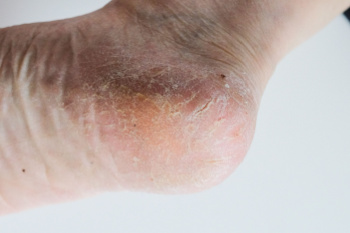 Cracked heels occur when the skin on the heels becomes dry and thickens, leading to fissures. The cracks can be caused by prolonged standing, wearing open-back shoes, and skin conditions such as eczema or psoriasis. Cracked heels often appear as dry, rough patches with visible splits, which can feel painful and tender, especially when pressure is applied. Beyond their unsightly appearance, cracked heels can lead to serious complications. The deep fissures can become infected, causing swelling, redness, and bleeding. If left untreated, this can result in cellulitis, a painful bacterial skin infection. For individuals with diabetes or compromised immune systems, the risks are even greater because infections can spread easily and become severe. To prevent and treat cracked heels, it is suggested that you schedule an appointment with a podiatrist who can provide effective treatment solutions, and prevent further complications.
Cracked heels are unsightly and can cause further damage to your shoes and feet. If you have any concerns, contact Brent Harwood, DPM from Southeast Podiatry. Our doctor can provide the care you need to keep you pain-free and on your feet.
Cracked Heels
Cracked heels appear unappealing and can make it harder for you walk around in sandals. Aside from looking unpleasant, cracked heels can also tear stockings, socks, and wear out your shoes. There are several methods to help restore a cracked heel and prevent further damage.
How Do You Get Them?
Dry skin is the number one culprit in creating cracked heels. Many athletes, walkers, joggers, and even swimmers suffer from cracked heels. Age and skin oil production play a role to getting cracked heels as well.
Promote Healing
Over the counter medicines can help, especially for those that need instant relief or who suffer from chronic dry feet.
Wear Socks – Wearing socks with medicated creams helps lock in moisture.
Moisturizers – Applying both day and night will help alleviate dryness which causes cracking.
Pumice Stones – These exfoliate and remove dead skin, which allows for smoother moisturizer application and better absorption into the skin.
Change in Diet
Eating healthy with a well-balanced diet will give the skin a fresh and radiant look. Your body responds to the kinds of food you ingest. Omega-3 fatty acids and zinc supplements can also revitalize skin tissue.
Most importantly, seek professional help if unsure how to proceed in treating cracked heels. A podiatrist will help you with any questions or information needed.
If you have any questions, please feel free to contact one of our offices located in Fairhope, Brewton, and Atmore, AL . We offer the newest diagnostic and treatment technologies for all your foot care needs.

Do you work on your feet all day and find your feet in pain? Don't go to work in pain each day. Your foot pain can be treated, and we can help.